In this article
- The most magical night of the year in the Pyrenees
- What is St. John's Eve in Andorra?
- The fallas: the unique Pyrenean tradition
- Program by parishes: where to celebrate it
- The Flama del Canigó: where the fire comes from
- What to eat and drink that night
- How to get to and around Andorra on June 23
- Where to stay if you come for the Night of San Juan
- Practical tips and mistakes not to make
- Plan your trip to Andorra with this guide
- Frequently Asked Questions
The most magical night of the year in the Pyrenees
St. John's Eve in Andorra 2026 is celebrated on June 23rd and is, without a doubt, the most spectacular popular festival in the Principality. That night, the seven parishes are filled with fire, music, and tradition as the fallaires bring burning logs down from the mountains to the town squares. A celebration declared Intangible Cultural Heritage of Humanity by UNESCO that blends the summer solstice with centuries of Pyrenean culture. In this guide, you'll find everything you need to experience it firsthand: what it is exactly, what happens in each parish, how to get there, and where to stay.
What is St. John's Eve in Andorra?
St. John's Eve, "Nit de Sant Joan in Catalan," is celebrated on the eve of June 24th, the feast day of St. John the Baptist. It has a dual origin: pagan, linked to the summer solstice, and Christian, linked to the birth of St. John the Baptist. The celebration normally takes place with bonfires, drinks, music, and magical rituals in harmony with fire.
In Andorra, however, this festival has a dimension that goes far beyond what you know in Spain. Here, it's not simply about lighting a bonfire on the beach: the tradition consists of bringing burning logs down from elevated areas and concluding with a large bonfire in squares or car parks. This ritual, known as the fallas burning, turns the night into a unique visual spectacle in Europe.
The fallas: the unique Pyrenean tradition
The Andorran falla is much more than a torch. Originally, it was a long boxwood log on which birch bark was placed, which the young people of each region, the "fallaires", would spin in flames around the bonfire or bring down from the nearest mountains to a bonfire in the middle of the village. Once lit, the fallas are shaken and spun vertiginously until they form large wheels of fire with an almost hypnotic plasticity.
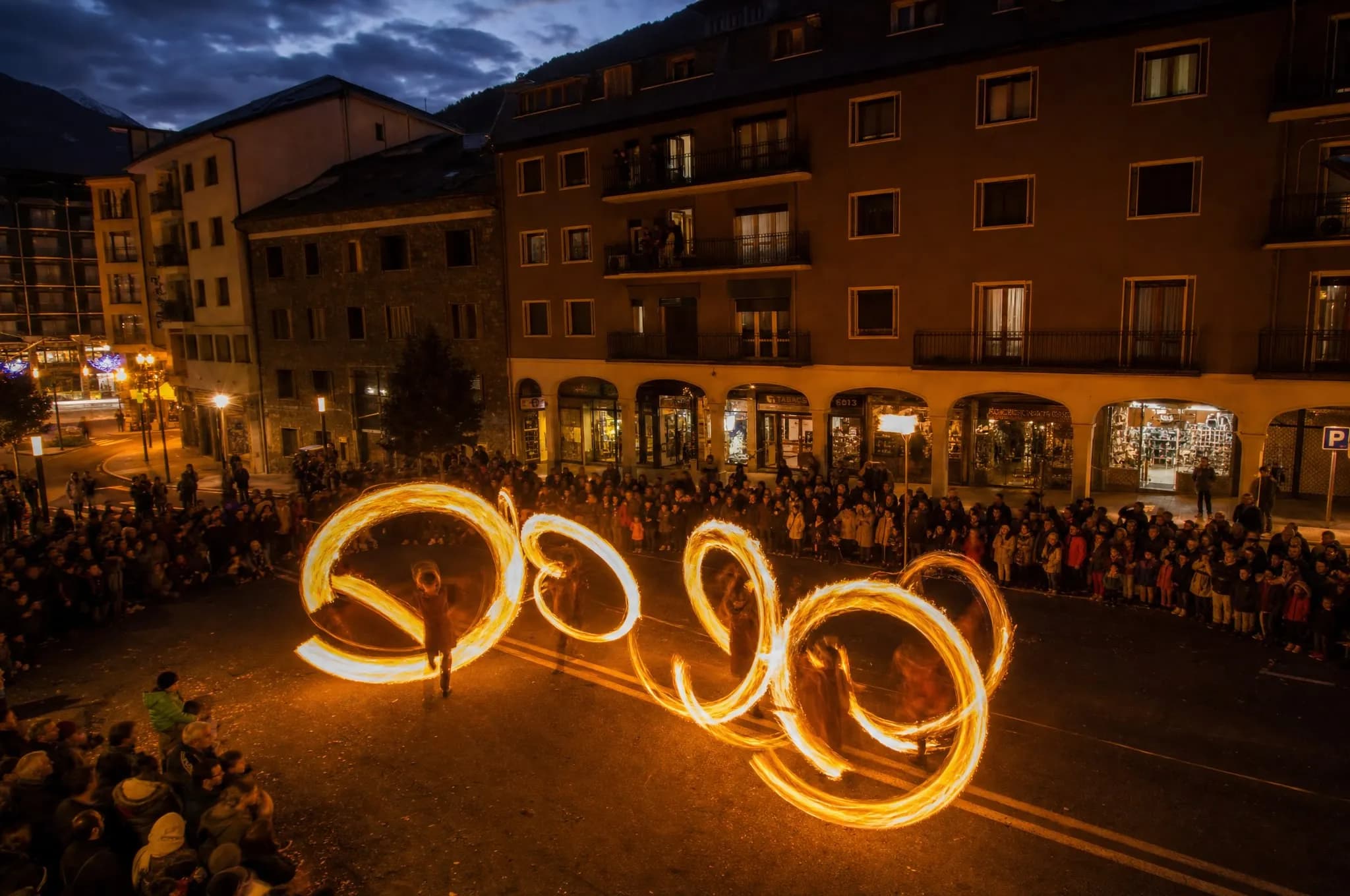
This tradition was lost in the 1950s. It was recovered in 1987 in Andorra la Vella by a group of young people committed to local heritage. Today, since 2017, the fallaires groups of the Principality coordinate with each other in the National Board of the Fallas of the Valleys of Andorra, and the Government of Andorra declared the fallas a Festival of Cultural Interest (FIC), included in UNESCO's Representative List of the Intangible Cultural Heritage of Humanity under the name "The summer solstice fire festivals in the Pyrenees".
For the little ones, in Andorra la Vella, Sant Julià de Lòria, Escaldes-Engordany, and Ordino, light fallas have been added: colored changing balls with which children begin to practice and enjoy the festival.
A detail you won't find in any generic guide: in Andorra la Vella, the title of fallaire major (who leads the procession) is awarded to the person capable of finding a golden ring hidden somewhere in Andorra through a treasure hunt organized by the previous year's fallaire. According to popular custom, it is the ring with which Charlemagne tied his horse after defeating the Saracens. That is Andorra: living history.
Program by parishes: where to celebrate it
All parishes celebrate on the night of June 23rd, except Ordino, which celebrates St. Peter's on June 28th. Below is a summary of what you can expect in each one:
Parish | Approximate time | Main location |
Andorra la Vella | 10:00 PM | Prat Gran / Plaça Príncep Benlloch |
Escaldes-Engordany | 10:00 PM | United Nations Car Park |
Encamp | 10:30 PM | Prat de l'Areny Car Park |
Sant Julià de Lòria | 10:30 PM | Town center |
Canillo | 9:00 PM | Prat del Pi |
La Massana | June 23rd | Central square |
Ordino | June 28th | Sant Pere's Eve Festival |
Andorra la Vella is the parish with the most elaborate celebration. The historic center fills with the dance of the 'fallaires' between Plaça del Príncep Benlloch and Plaça de Guillemó; before the central bonfire is lit, the traditional ball de les bruixes (witches' dance) takes place.
Escaldes-Engordany offers a night tour with witches, devils, and a correfoc. The party ends with the Ball de Fallaires, a final firecracker display, and, at midnight, the reading of the manifesto, the lighting of the great bonfire, and the distribution of 'coca' and wine.
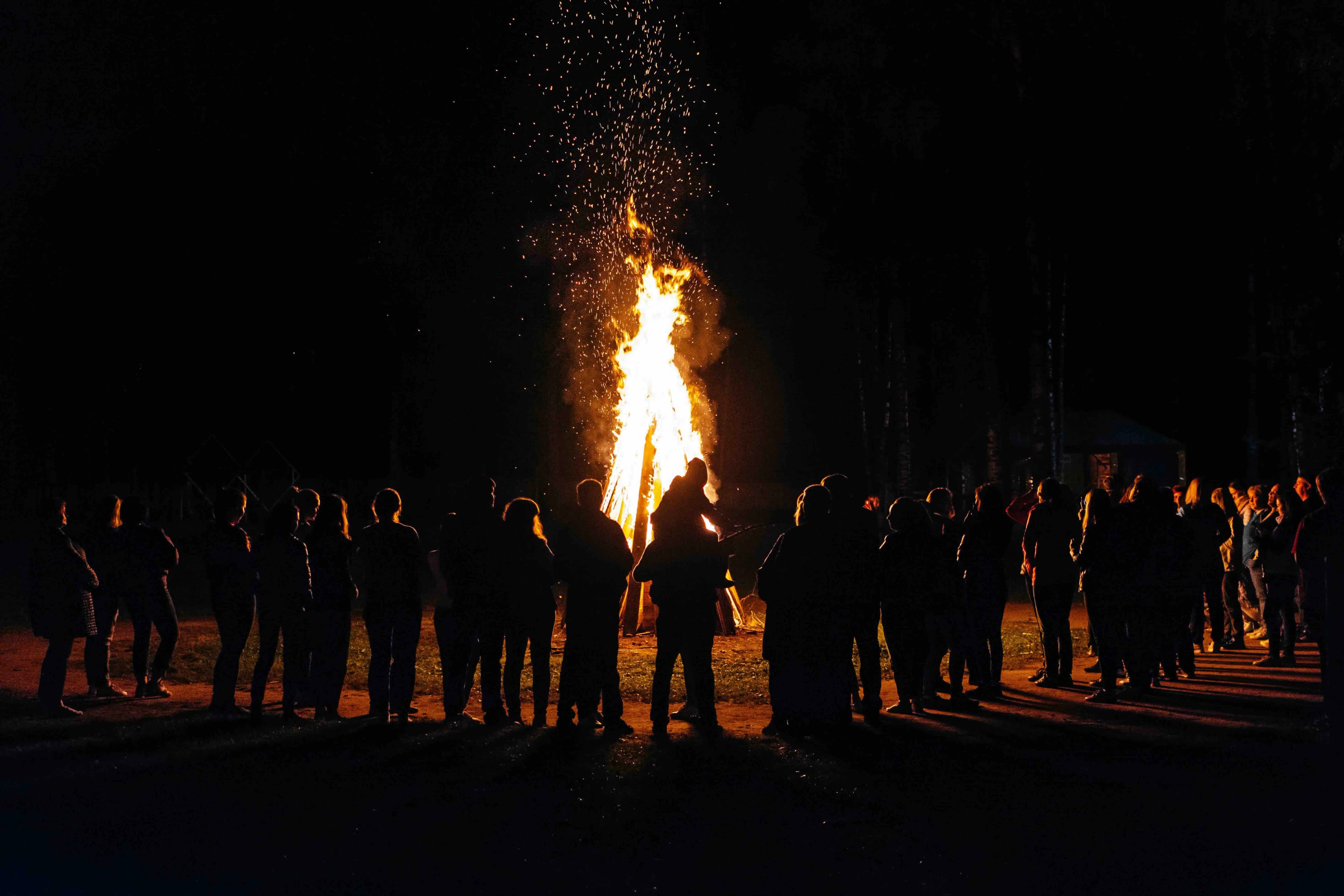
Encamp has historically been one of the most active celebrations, with pre-fire shows and music until dawn.
Sant Julià de Lòria has a peculiarity: the party begins in the capital of the Principality, from where several volunteers descend in a seven-kilometer relay race at 8 PM; then, at 10:30 PM, two groups depart from each end of the town for the burning of the 'fallas'.
Editorial note: The official 2026 program for each parish is published in the weeks leading up to June 23. Verify exact times on the official Andorra tourism website or on each parish's portals.
The Flama del Canigó: where the fire comes from
The fire that lights the Andorran 'fallas' is not just any fire. The spark for these celebrations comes from the Flama del Canigó, lit on the summit of Canigó every June 23. This sacred flame is distributed throughout the Principality to light the 'fallas' and bonfires.
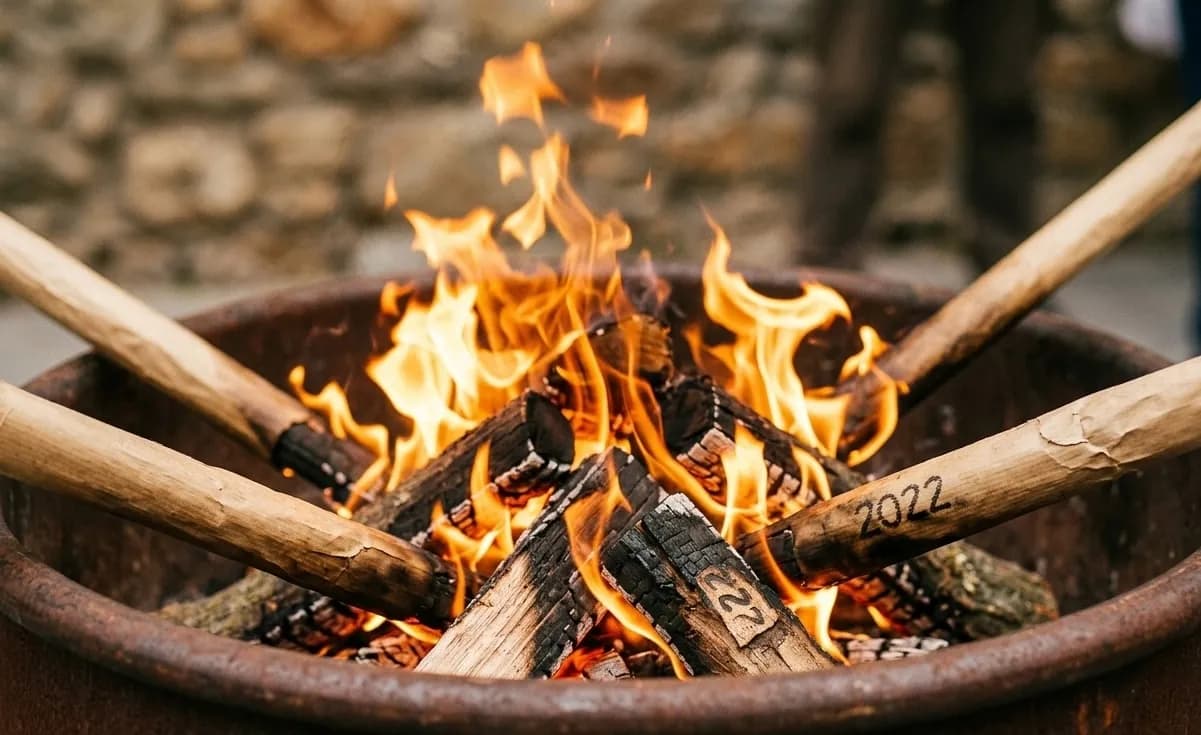
This tradition of the Flama del Canigó will celebrate its 71st edition in 2026, as it has been renewed every June 22 since 1955. In Catalonia, that same flame reaches Plaça Sant Jaume in Barcelona; in Andorra, it is distributed to all parishes to light the 'fallas'. Seeing it pass by is one of those moments that stay with you.
What to eat and drink that night
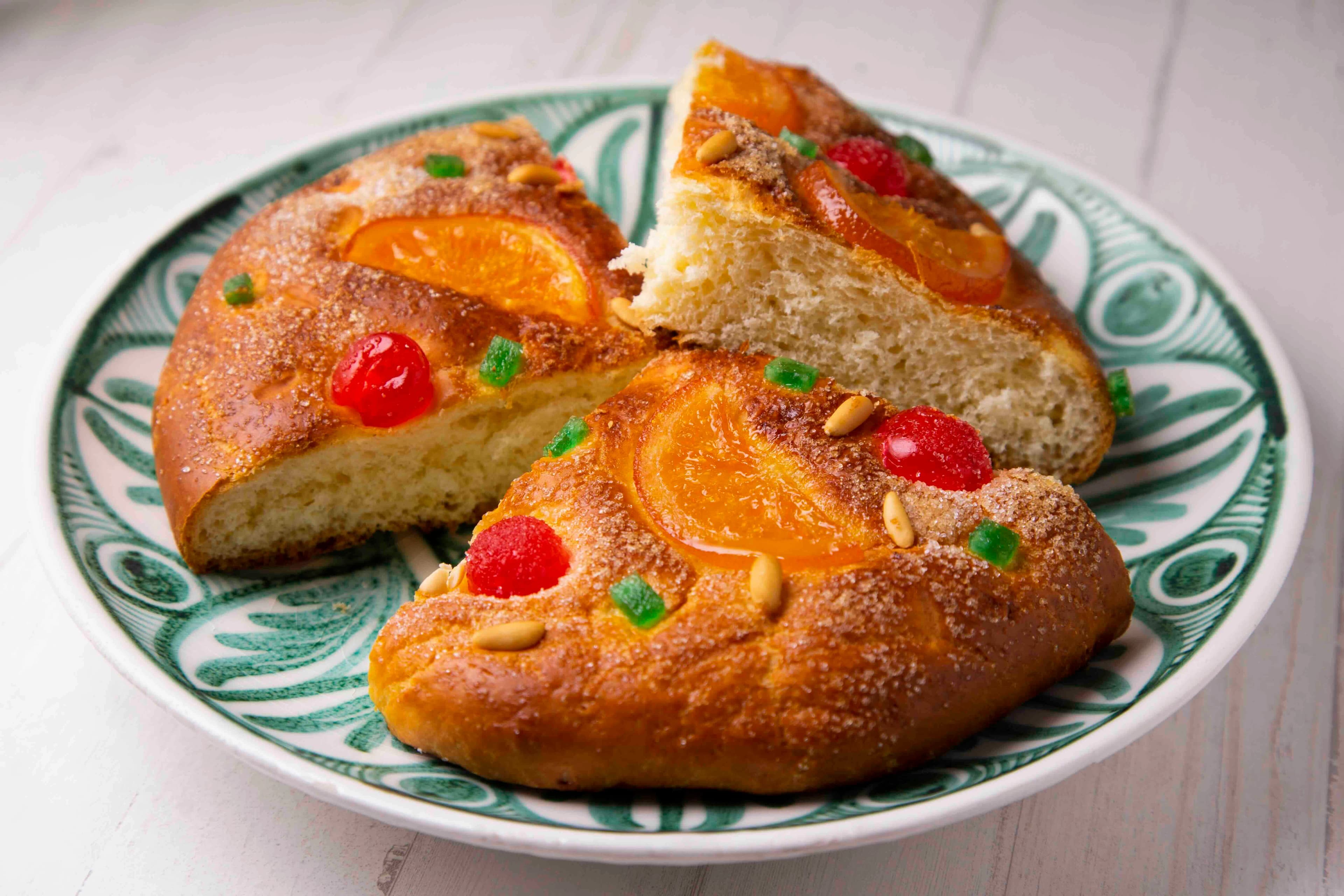
The Coca de Sant Joan is the undisputed gastronomic star. It is a traditional Catalan-Andorran sweet, a flat cake covered with candied fruit, pine nuts, or cream, which is distributed for free at many of the bonfires. If you want to try it before or after, local bakeries prepare it throughout the week of the 23rd.
To have dinner before the party or a drink during the night, you can consult the available restaurants in our restaurant guide, where you will find options in all parishes with real-time availability.
How to get to and around Andorra on June 23
Andorra does not have its own airport. The usual options are:
- From Barcelona: direct bus (approx. 3 h) or car via N-145 or C-14/C-16.
- From Madrid: flight to Barcelona + bus, or car (approx. 7-8 h via AP-2 and N-145).
- From Toulouse: car via RN-20 through Port de l'Hospitalet (approx. 2-3 h).
On the night of June 23, the center of the main parishes will be very crowded. Arrive early (before 9:00 PM) to find parking. If you are staying within the Principality, many hotels are within walking distance of the events. For transport options within Andorra, check out move or order a taxi from Cityxerpa.
Where to stay if you come for the Night of San Juan
June 23 falls on a Tuesday in 2026, which may make accommodation more available compared to years when it coincides with a weekend. Even so, if you are traveling specifically for the festival, book at least 2-3 weeks in advance.
The most recommended parishes to stay in if you want to experience the party firsthand are Andorra la Vella and Escaldes-Engordany, as they offer the most complete programs and are the most accessible.
Check availability and real prices on our page with +150 accommodations in Andorra, where you will find hotels, apartments, and other options filtered by parish and dates.
Practical tips and mistakes not to make
What you should do:
- Arrive before 9:00 PM to choose your spot in the square well.
- Wear clothes you don't mind smelling of smoke: the 'fallas' crackle.
- Try the Coca de Sant Joan; many parishes distribute it for free.
- If you go with children, look for the light 'fallas' (safe version for the little ones).
- Confirm your parish's exact program on its official website a few days beforehand.
What not to do:
- Don't book at the last minute: even though the 23rd is a Tuesday, accommodations near the events fill up.
- Don't wear expensive or very delicate clothes: sparks, smoke, and crowds are part of the package.
- Don't confuse the start time with the bonfire lighting time: the 'fallaires' processions begin before the final burning.
- Don't just stay in Andorra la Vella: Escaldes, Encamp, and Sant Julià are worth a visit.
Plan your trip to Andorra with this guide
If Saint John's Eve has convinced you to travel to Andorra, here's everything you need to organize your getaway:
Experiences and activities in Andorra
Transport and transfers in Andorra
Saint John's Eve in Andorra is one of the few festivals in Europe where you can witness a Pyrenean tradition of ancient origin, declared a UNESCO Heritage, with free admission and in a unique mountain setting. If you are in the region on June 23rd, there's no excuse to miss it.
Frequently Asked Questions
You may be interested in
Most read