In this article
- Why Andorra is a good destination for stargazing
- Best places for astronomical observation in Andorra
- La Massana and Andorra Comapedrosa: the heart of the dark sky
- Coll de la Botella: the most practical viewpoint for beginners
- Roc de la Sabina: mountain panorama and open sky
- Comapedrosa Natural Park: for experienced observers
- Refugi del Comapedrosa: high-altitude sky, advanced logistics
- Estanys de Tristaina and Ordino: scenic alternative, best at sunset
- Quick table: where to stargaze in Andorra
- When to stargaze in Andorra
- The best time of year
- The lunar phase matters more than it seems
- Recommended schedule
- Night routes in Andorra for stargazing
- Easy route: Coll de la Botella without a long hike
- Panoramic Route: Roc de la Sabina
- Guided Route: observation with an astronomy guide
- What to bring for a night of astronomical observation
- Basic Checklist
- If you go in winter
- Local tips for better dark sky viewing in Andorra
- 1. Don't choose the highest point; choose the safest one
- 2. Avoid looking at your phone every two minutes
- 3. Turn off your car lights
- 4. Check the forecast before going up
- 5. Don't improvise night routes
- 6. Respect the silence
- Where to sleep for an astronomical getaway
- Frequently Asked Questions
The astronomical observation in Andorra finds its best setting in La Massana, especially in the surroundings of Andorra Comapedrosa, recognized as a Starlight Tourist Destination and Reserve.
Here you'll find where to go, when to look at the sky, what to bring, and how to prepare for a safe night out.
I also explain which areas are best for beginners, families, photographers, and astrotourism enthusiasts.
Why Andorra is a good destination for stargazing
Andorra has something that cannot be manufactured: altitude, mountains, and areas with very little light pollution. The main reference for astrotourism is La Massana, where Andorra Comapedrosa is located, a territory recognized with double Starlight certification: Starlight Tourist Destination for the parish and Starlight Reserve in the area of the Comapedrosa Natural Park.
This makes the area one of the best spots in the country to start observing the night sky. You don't need to be an astronomer or carry a telescope: on a clear night, with little moon and away from streetlights, just stop, turn off your flashlight, and let your eyes adjust to the darkness.
As a local journalist, my recommendation is clear: if it's your first time, don't start with a long high-mountain route. Begin with an accessible viewpoint, arrive before dusk, and observe how the sky gradually changes. In Andorra, night falls quickly among the mountains, and that transition is part of the experience.
Best places for astronomical observation in Andorra
La Massana and Andorra Comapedrosa: the heart of the dark sky
La Massana is the epicenter of astronomical observation in Andorra. Its Starlight recognition is not just a tourist label: it certifies the quality of the sky, protection against light pollution, and the destination's capacity to develop astrotourism experiences.
Furthermore, the area has qualified professionals to guide astronomical experiences, interpret constellations, and accompany astrotourism activities with safety and educational criteria.
Coll de la Botella: the most practical viewpoint for beginners
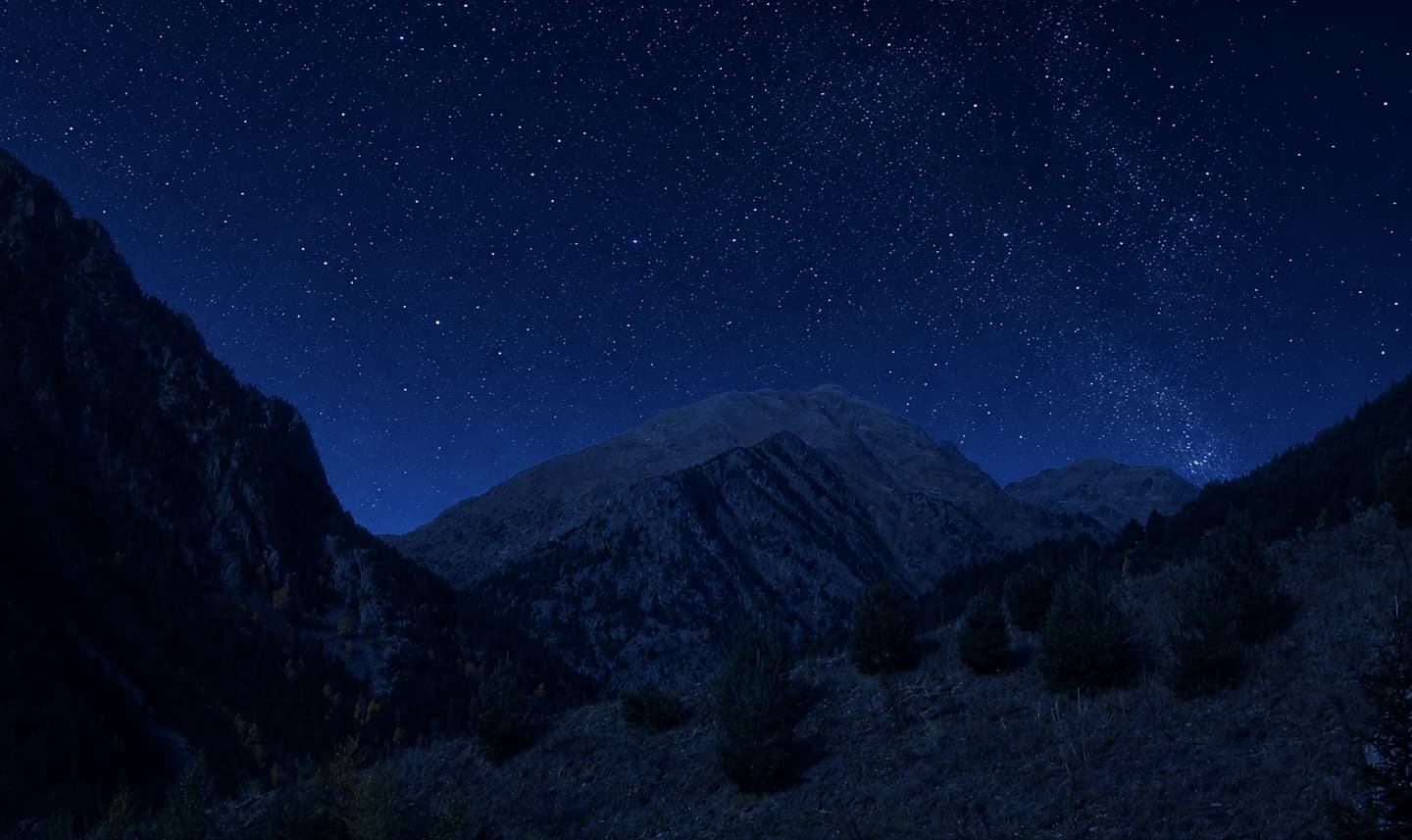
The Coll de la Botella is one of the best options if you're looking for a comfortable spot to stargaze without too much hassle. It's located at an altitude of over 2,000 meters in La Massana, right by the road, with a spacious, paved area for parking.
It's an especially recommended spot for those who want a first night out without a long hike. It's also a good option for basic night photography, provided you arrive with plenty of time, wear warm clothing, and avoid using white lights that ruin visual adaptation.
Roc de la Sabina: mountain panorama and open sky
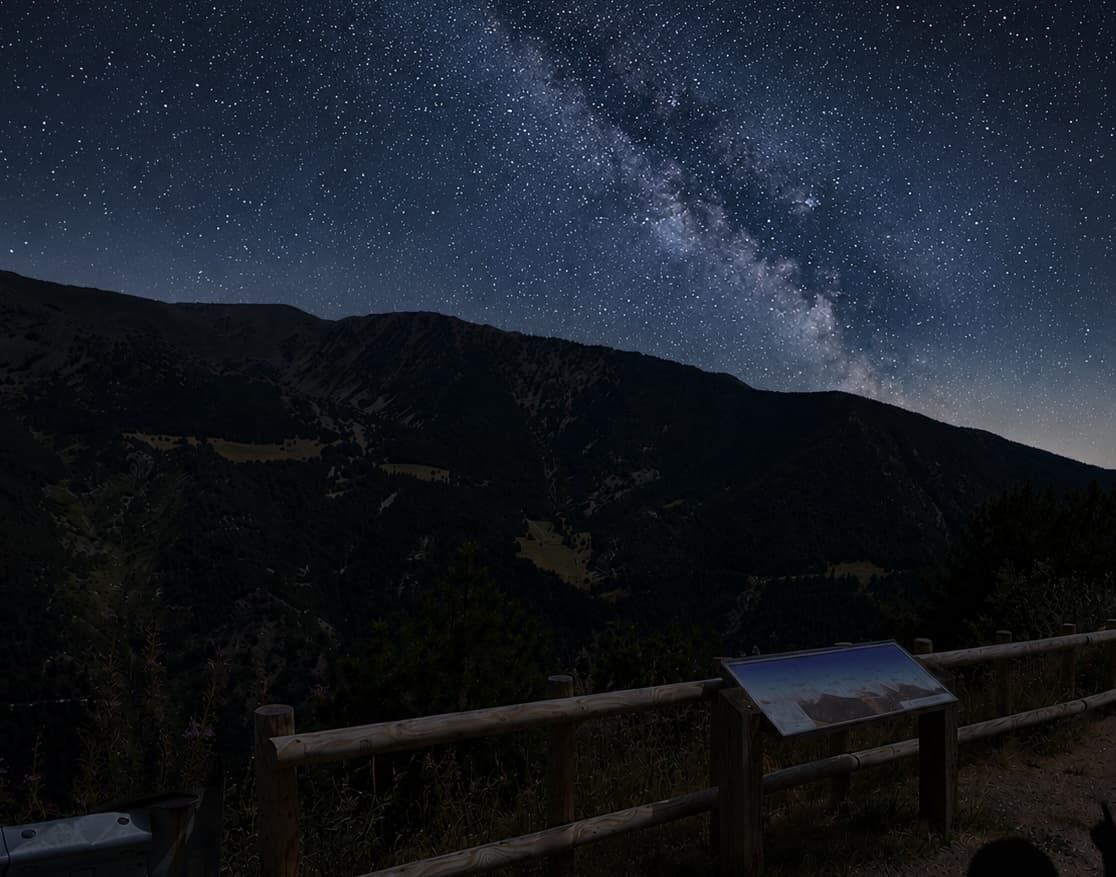
The Roc de la Sabina is located at an altitude of 1,896 meters, on the CS-520 road to Arinsal. From this viewpoint, you get views of the high mountain surroundings and the Comapedrosa Natural Park, making it a very attractive spot to combine landscape and night sky.
It's a very interesting stop if you want to enjoy the firmament without embarking on a demanding route. My advice: arrive during the day, get a good sense of the surroundings, and decide where you're going to set up before it gets dark.
Comapedrosa Natural Park: for experienced observers
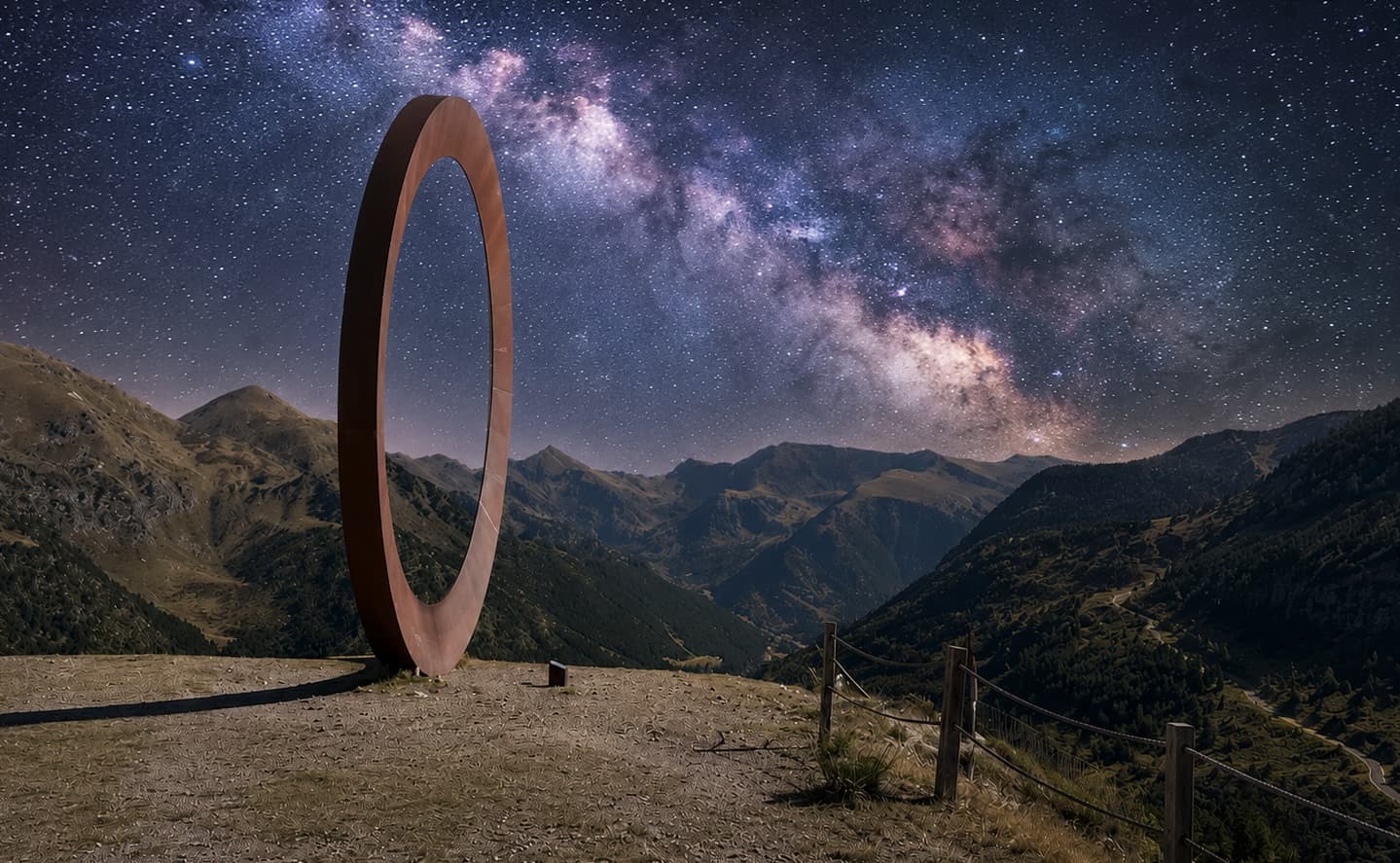
The surroundings of the Comapedrosa Natural Park is the grand natural setting of the Andorran dark sky. The Starlight Foundation precisely identifies this area as a Starlight Reserve, and Andorra Comapedrosa will host the International Starlight Astrotourism Meeting in 2027.
Observation here can be spectacular, but it also demands respect for the mountains. It's not the same to stargaze from a roadside viewpoint as it is to plan a night in a high-mountain environment. If you don't know the area, go with a guide or choose an organized activity.
Refugi del Comapedrosa: high-altitude sky, advanced logistics
The Refugi del Comapedrosa is located at an altitude of 2,260 meters and is within the natural park. It's a crossing point for routes like the GRP, GR 11, and the Coronallacs circular, so we're talking about a real mountain enclave, not an urban viewpoint.
For astronomical observation, it can be a very powerful experience, but I don't recommend it as a first option for beginners. A night at high altitude requires planning, weather forecasting, appropriate equipment, and knowledge of the terrain.
Estanys de Tristaina and Ordino: scenic alternative, best at sunset
The route of the Estanys de Tristaina, in Ordino, is one of Andorra's most well-known excursions. It's a moderate route of about 4.39 km and reaches high mountain altitudes, with the last lake located around 2,330 meters.
Although the surroundings are magnificent, I wouldn't suggest it as a primary night observation spot for an inexperienced visitor. It works better as an afternoon plan, sunset, and return with sufficient light. If you want to stay overnight, do so only with preparation and knowledge of the itinerary.
Quick table: where to stargaze in Andorra
Location | Ideal for | Recommended level | Local tip |
Coll de la Botella | First observation, families, simple photography | Easy | Arrive before dusk and dress warmly even in summer |
Roc de la Sabina | Mountain panorama and open sky | Easy-medium | Avoid full moon nights if you want to see more stars |
Comapedrosa Natural Park | Dark sky, astrotourism, advanced observers | Medium-high | Better with a guide if you don't know the terrain |
Refugi del Comapedrosa | Mountain experience and deep sky | High | Requires mountain planning |
Estanys de Tristaina | Sunset, landscape and photography | Medium | Don't improvise a night return |
When to stargaze in Andorra
The best time of year
Astronomical observation in Andorra can be enjoyed all year round, but each season has its own character:
- Spring: still cold nights, changing skies, and a good opportunity for beginners.
- Summer: milder temperatures and easier for night plans.
- Autumn: less crowded, long nights, and very clear skies after weather changes.
- Winter: spectacular atmosphere with snow, but requires more equipment and caution.
La Massana combines snow, nature, and astronomical observation with proposals such as snowshoeing excursions and guided sessions to discover constellations from Coll de la Botella.
The lunar phase matters more than it seems
To see the maximum number of stars, look for nights near the new moon. With a full moon, the landscape is beautifully illuminated, but the lunar glow obscures many faint stars.
Simple rule:
- New moon: best for stars, Milky Way, and deep sky.
- First or last quarter: acceptable balance.
- Full moon: best for night landscape, worse for seeing many stars.
Recommended schedule
Don't arrive after dark. In the mountains, it's ideal to arrive 45 to 60 minutes before dusk. This way you can park, get to know the terrain, choose a safe spot, and prepare your clothing without rushing.
Once it gets dark, allow at least 20 minutes for your eyes to adapt. That's when the sky truly begins to 'appear'.
Night routes in Andorra for stargazing
Easy route: Coll de la Botella without a long hike
This is the option I recommend for first-time visitors:
- Drive up to Coll de la Botella with lights.
- Park in the designated area.
- Move away from direct lights.
- Wait for your eyes to adapt.
- Observe constellations with the naked eye.
It is simple, accessible, and allows you to enjoy the dark sky without turning the night into an expedition.
Panoramic Route: Roc de la Sabina
Roc de la Sabina works very well if you want an open view towards the Comapedrosa surroundings. It's a perfect plan for those seeking a peaceful observation, with a sense of height and landscape.
Here, I would avoid bringing music, spotlights, or powerful flashlights. The beauty lies in the silence.
Guided Route: observation with an astronomy guide
If you want to understand what you're seeing, a guided outing makes all the difference. In La Massana, experiences are offered where a guide interprets stars, constellations, and elements of the firmament. There are also formats that combine observation with local product tasting.
For available activities, the transactional part should be consulted on Andorra.com. In the experiences section, there is a proposal for night observation with tasting at Bordes de Cardemeller, designed as a sensory activity under the starry sky of La Massana.
What to bring for a night of astronomical observation
A good night of stargazing is quickly ruined if you get cold. In Andorra, even in summer, the temperature can drop significantly after sunset.
Basic Checklist
- Thermal clothing or several layers.
- Windbreaker jacket.
- Hat or neck gaiter.
- Closed-toe footwear with good soles.
- Headlamp with red light.
- Water.
- Some food.
- Blanket or mat to sit on.
- Power bank.
- Offline map or downloaded route.
- Binoculars, if you have them.
- Tripod, if you want to take photos.
If you go in winter
Add gloves, waterproof clothing, appropriate footwear for snow, and always check the weather and terrain conditions. Prepare your itinerary, consult the weather forecast, consider your physical fitness, and check for avalanche danger during winter.
Local tips for better dark sky viewing in Andorra
1. Don't choose the highest point; choose the safest one
In astrotourism, higher doesn't always mean better. An accessible viewpoint, with a good horizon and easy exit, can give you a much better experience than an uncomfortable or exposed summit.
2. Avoid looking at your phone every two minutes
The screen breaks night adaptation. If you need to use it, lower the brightness to the minimum and activate red mode or night mode.
3. Turn off your car lights
It seems obvious, but it's one of the most common mistakes. If you're at a viewpoint with other people, avoid turning on high beams, constantly opening doors, or shining lights directly at other observers.
4. Check the forecast before going up
High cloud cover can ruin observation even if the day has been sunny. In the mountains, the sky changes quickly.
5. Don't improvise night routes
A simple path by day can become complicated at night. In areas like Comapedrosa or Tristaina, orientation, cold, and terrain are real factors.
6. Respect the silence
Astronomical observation is not just about looking at stars. It's about listening to the mountain, noticing the temperature change, and letting the night do its work.
Where to sleep for an astronomical getaway
Check exact availability for your dates. Even if the system indicates “no availability,” there may still be options available for your specific stay.
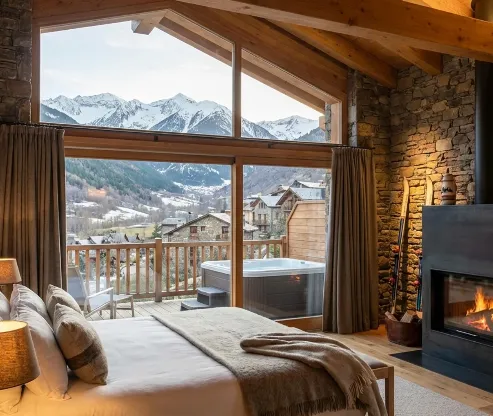
For a getaway focused on Andorra's dark sky, sleeping in La Massana, Arinsal, Pal, or the surrounding areas makes a lot of sense: you reduce night travel and are closer to the Starlight viewpoints.
If you prefer to combine stargazing with shopping, gastronomy, or wellness, Andorra la Vella and Escaldes-Engordany are also practical options, although you'll have to travel to darker areas to observe the sky well.
The astronomical observation in Andorra has its own name: La Massana and Andorra Comapedrosa. If you're looking for a first experience, start with Coll de la Botella or Roc de la Sabina. If you already have mountain experience, the Comapedrosa area offers a top-level dark sky.
My final recommendation: don't try to see everything in one night. Choose a spot, arrive early, dress warmly, and let the sky reveal itself little by little. In Andorra, the best stars are not always at the furthest point, but in the place where you can observe calmly and safely.
Frequently Asked Questions
You may be interested in
Most read