In this article
- The Vuelta a España 2026 in numbers
- Stage 4: Andorra la Vella → Andorra la Vella
- Official route meter by meter
- The four passes of the stage
- Port d'Envalira (1st category)
- Collada de Beixalís (1st category)
- Coll d'Ordino (1st category)
- Alto de la Comella (3rd category)
- Why is this stage key for the general classification?
- The best spots to watch the stage live
- 1. Tarragona Avenue, Andorra la Vella (start and finish)
- 2. Port d'Envalira (first great spectacle)
- 3. Collada de Beixalís (the most spectacular for fans)
- 4. Coll d'Ordino (quiet and scenic)
- 5. Escaldes-Engordany (before La Comella)
- How to get around Andorra on the day of La Vuelta
- Where to watch La Vuelta a España 2026 on TV
- Where to stay to experience the stage to the fullest
- Andorra and La Vuelta a España: a decades-long relationship
- Frequently asked questions
On August 25, 2026, Andorra becomes the cycling heart of the world. Stage 4 of the Vuelta a España 2026 starts and finishes in Andorra la Vella on a circuit of just 104.9 km that includes four mountain passes, three of which are first category. Here's everything you need: official route, profile of each climb, the best places to watch the cyclists live, and how to get around the Principality that day.
The Vuelta a España 2026 in numbers
The 81st edition of the Vuelta a España will be held from August 22 to September 13, 2026, starting from the Casino de Monaco and finishing at the Alhambra in Granada. There are 21 stages and 3,275 kilometers distributed across four countries —Monaco, France, Andorra, and Spain— with over 58,000 meters of accumulated positive elevation gain, making it one of the toughest editions in the history of the Spanish race.
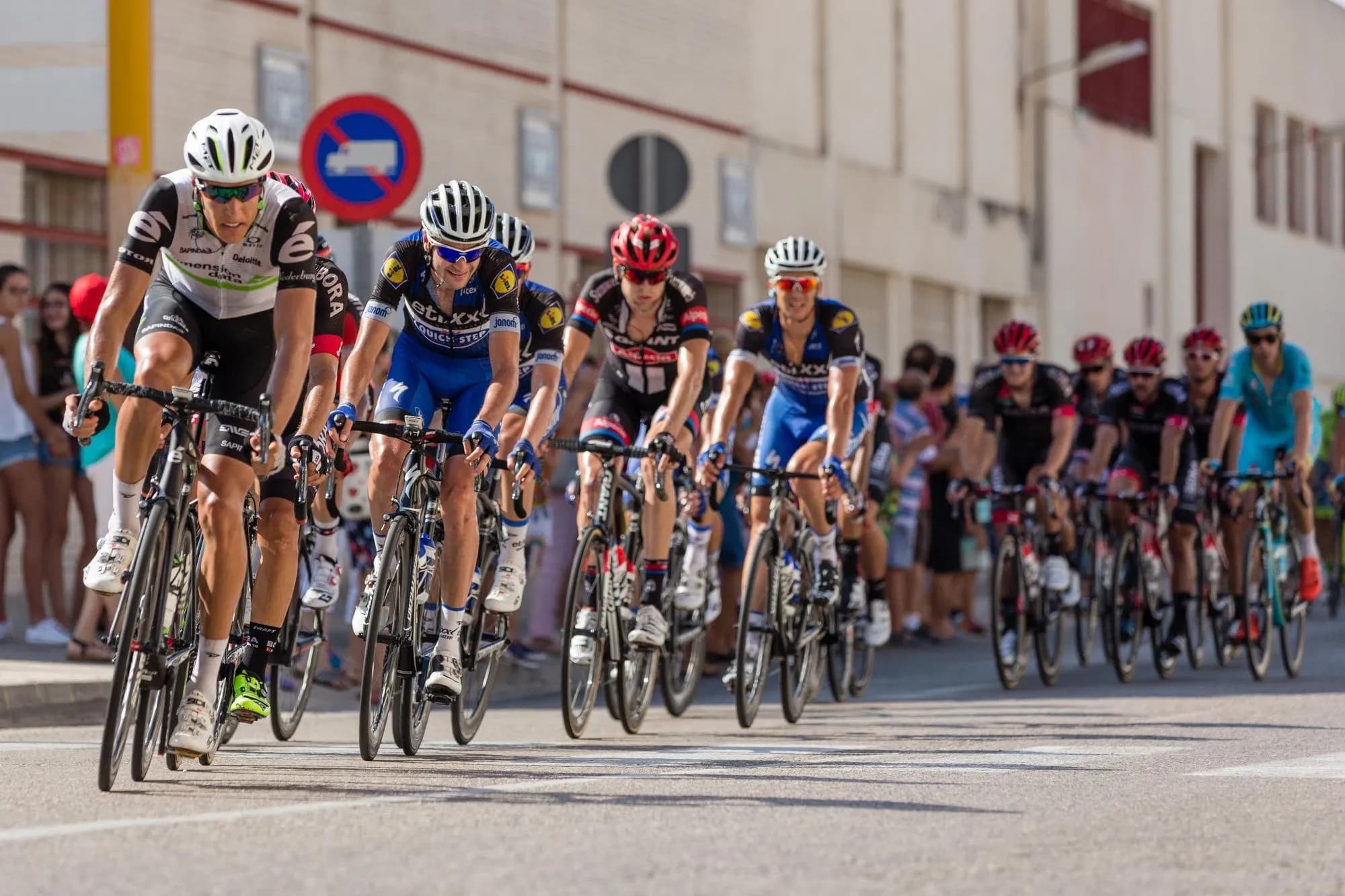
The route proposes two individual time trials, seven high mountain stages, four medium mountain stages, and eight flat or undulating days. Andorra welcomes the race in the first week, just as the general classification begins to take definitive shape.
Stage 4: Andorra la Vella → Andorra la Vella
Fact | Detail |
Date | Tuesday, August 25, 2026 |
Distance | 104.9 km |
Type | High mountain |
Start | Av. Tarragona, Andorra la Vella |
Finish | Av. Tarragona, Andorra la Vella |
Passes | 4 (3 of 1st category + 1 of 3rd) |
Elevation gain | ~3,800 m estimated positive |
The peculiarity of this day is that there are no stages to "warm up" the terrain: the riders start from the capital and within a few kilometers are already attacking the ramp of the highest pass in the Pyrenees. With only 104.9 km on the clock but three first-category climbs on the menu, peloton experts classify it as "short but extremely tough," with the potential to produce the first major selection of favorites in the general classification.
Official route meter by meter
The start is from Tarragona Avenue in Andorra la Vella, in front of the facilities that serve as the race headquarters. The peloton heads towards Encamp, passes through Canillo and Soldeu, and from there begins the first major challenge of the day: the climb to Port d'Envalira, the highest paved pass in the Pyrenees.
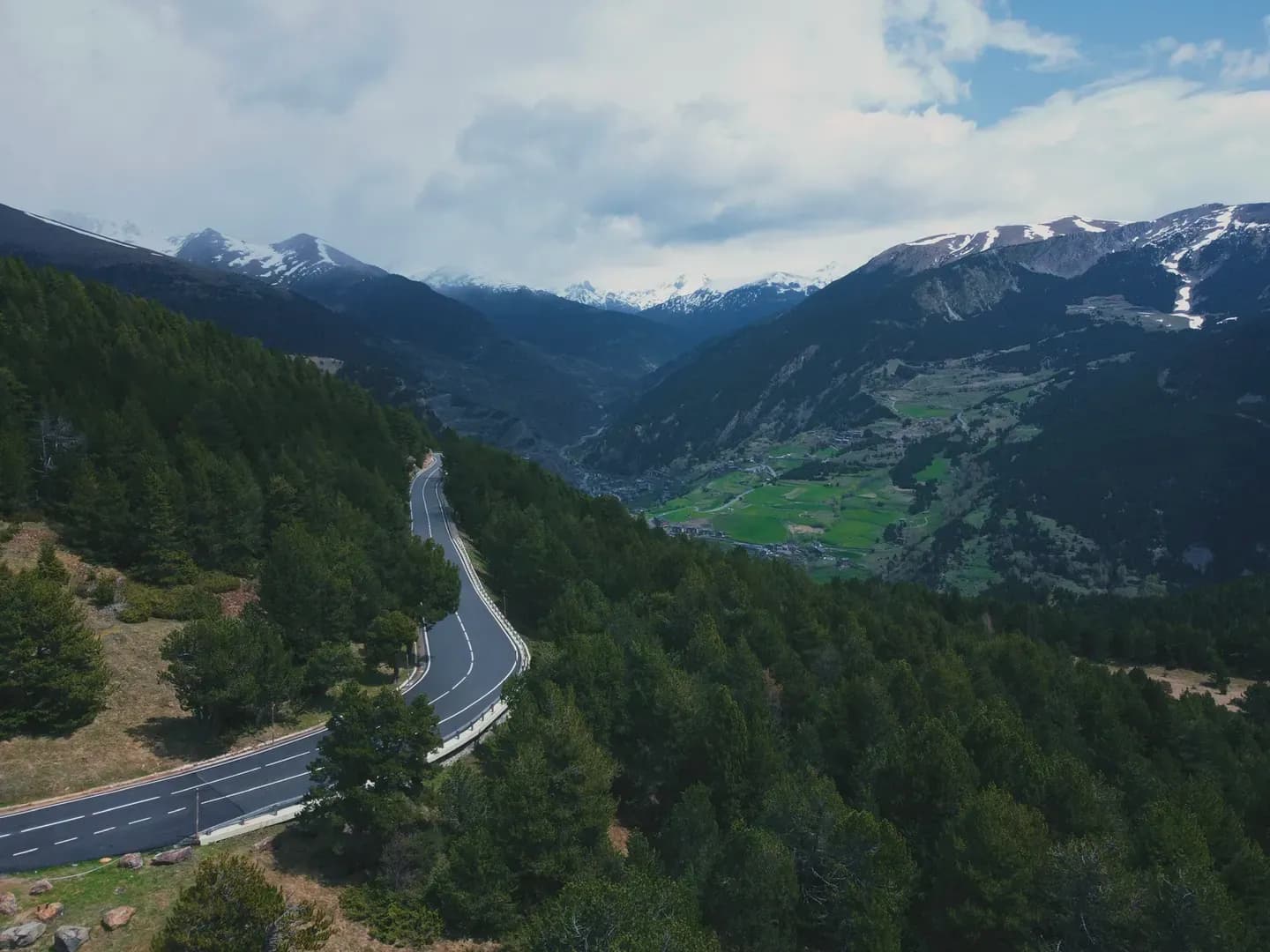
After summiting Port d'Envalira, the cyclists descend to Pas de la Casa and cross the Túnel d'Envalira to return to Encamp. Here begins the second act of the stage: the ascent via the Vila road towards Collada de Beixalís, the most explosive of the day. From its summit, crossing Aldosa, they reach Ordino, from where the riders tackle the third major pass: the Coll d'Ordino, in the direction of Canillo.
The final stretch takes the race to the entrance of Escaldes-Engordany, where the road ascending to the Comella pass (3rd category), with ramps exceeding 11%. From its summit, a descent of about 4 km brings the peloton —or the survivors of the selection— back to Tarragona Avenue to cross the finish line.
The four passes of the stage
Port d'Envalira (1st category)
The Port d'Envalira is one of the monuments of Pyrenean cycling and the highest paved pass in the Pyrenees, with its summit at 2,408 meters above sea level. It connects the bottom of Andorra's central valley with Pas de la Casa, crossing the parishes of Encamp, Canillo, and Soldeu.
In Stage 4, the road tackles it from Andorra la Vella, adding approximately 21 km of ascent at an average of 5%, with sections reaching 8% in some areas. The accumulated altitude, the characteristic cold of high mountains even in August, and the length make this climb a test of pure endurance rather than explosiveness. Anyone wanting to stay with the favorites group will need to manage their effort well before the worst arrives.
The Port d'Envalira is also a benchmark for international cycle tourism: thousands of enthusiasts climb this same road every summer by their own means, making it one of the great challenges of the European cycling calendar.
Interesting fact: The Envalira Tunnel, 2,879 meters long, is the highest altitude tunnel in Europe (between 2,043 and 2,052 m). Riders will pass through it during the descent towards Encamp, after cresting the pass.
Collada de Beixalís (1st category)
The Collada de Beixalís is the most spectacular and photogenic pass of the stage. It debuted in the Vuelta a España calendar in 2015 and has since established itself as one of the most beloved climbs by fans lining the road. Its eastern slope, from Encamp, is the one cyclists will tackle in 2026: 6.6 km with an average gradient of 8.4% and central sections exceeding 14%. A pure wall.
The irregular altimetry —with chained ramps, hairpin bends, and visual wall sections that lead directly to the Valira Valley— makes Collada de Beixalís one of the most common places for attacks in professional cycling. Whoever arrives here first with a lead will have a real advantage, although two more passes still remain.
From its summit, at 1,795 meters, the views over the parish of Encamp and the surrounding peaks are first-rate.
Coll d'Ordino (1st category)
The Coll d'Ordino connects the Parish of Ordino with that of Canillo and is one of the most important transversal passes in the Principality. With an altitude of 1,980 meters and an ascent of 9.8 km at an average of 7% from the town of Ordino, it is a consistent pass, forested in its lower section and open to high mountain views in the final kilometers.
In the context of the stage, its position —the third first-category pass in less than 104 km— means that riders will tackle it with very tired legs. Gaps that haven't opened on the Port d'Envalira or Collada de Beixalís could open here, especially in the last 3 km, where the gradient rises above 9%.
From the summit of Coll d'Ordino, only about 25 km remain to the finish, making any breakaway from this point a serious contender for the stage win.
Alto de la Comella (3rd category)
The Alto de la Comella is the last obstacle before the finish and, although its official category is only third, it should not be underestimated. Its ramps reach 11% in the toughest meters and can do a lot of damage to anyone who arrives at the foot of the climb with already broken legs.
After cresting the Comella, a descent of approximately 4 km brings the peloton back towards Tarragona Avenue for the final sprint or a solo finish.
Why is this stage key for the general classification?
In just 104.9 km, Stage 4 accumulates a brutal workload: three consecutive first-category passes with hardly any recovery between them, at altitudes ranging from 1,795 to 2,408 meters. For an in-form climber, it's a golden opportunity to gain time on rivals in the first week. For a pure time trialist or a rouleur who doesn't climb well, it could mean an irreparable loss of minutes before the race reaches Andalusia.
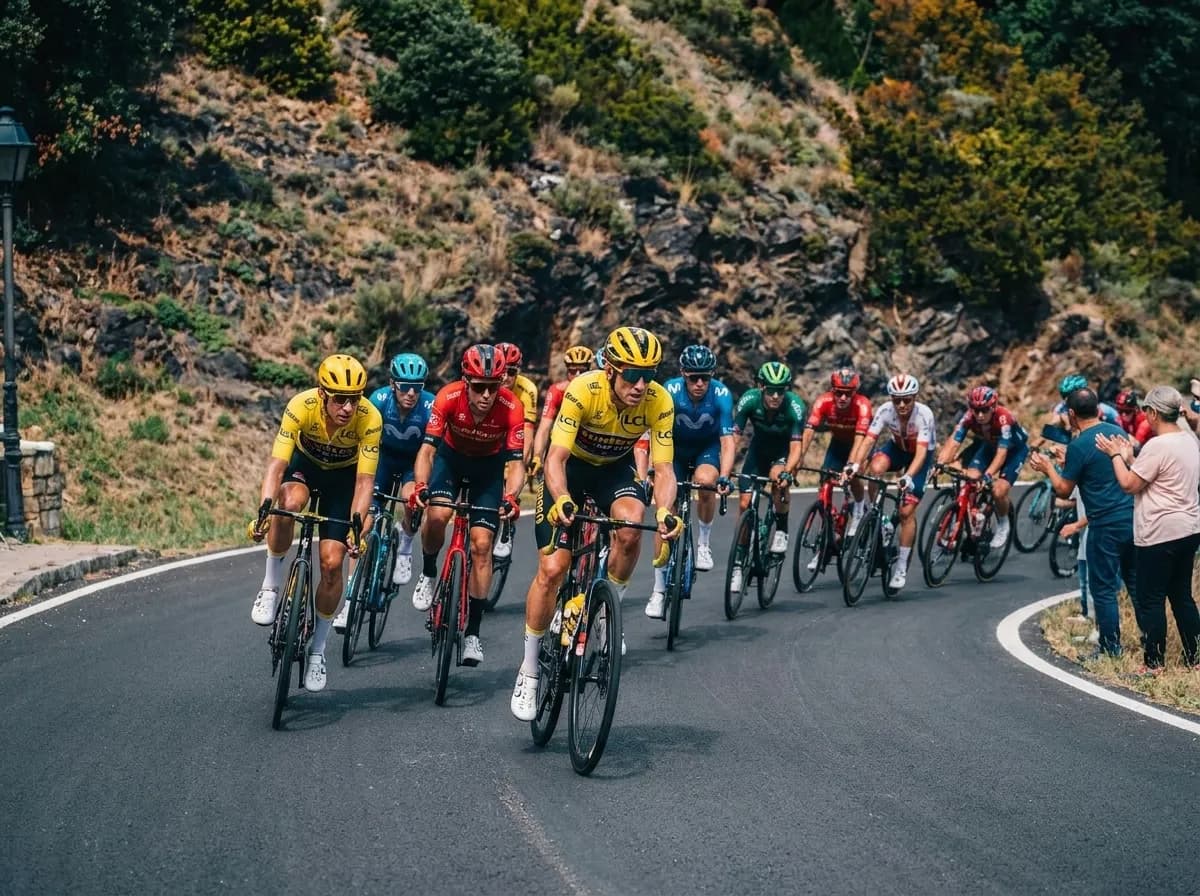
Cycling analysts already point out that Stage 4 will be the first "serious selection" for the general classification, capable of defining who can fight for the Top 10 and who cannot. Among the confirmed names in the peloton are Primož Roglič, who is seeking a historic fifth victory in the Spanish tour, and João Almeida. Other top-level climbers whose participation is being confirmed as the 2026 season progresses are expected to join them. In stages like this, in high mountains with chained passes, the level of selectivity can be compared to any major alpine stage of the Tour de France.
The best spots to watch the stage live
Witnessing the Vuelta a España live in Andorra is an unforgettable experience. The closed-circuit format —start and finish in the same city— allows, with good planning, to see the cyclists at various points along the route throughout the day. These are the five spots we recommend:
1. Tarragona Avenue, Andorra la Vella (start and finish)
The most accessible and festive spot. Everything starts here and everything ends here. The atmosphere in the moments before the start is electric: team buses, photographers, journalists from all over the world, and fans carrying their best flags. If you want to see the neutralized start, get up early; if you prefer the finish, reserve your spot before the roads close.
2. Port d'Envalira (first great spectacle)
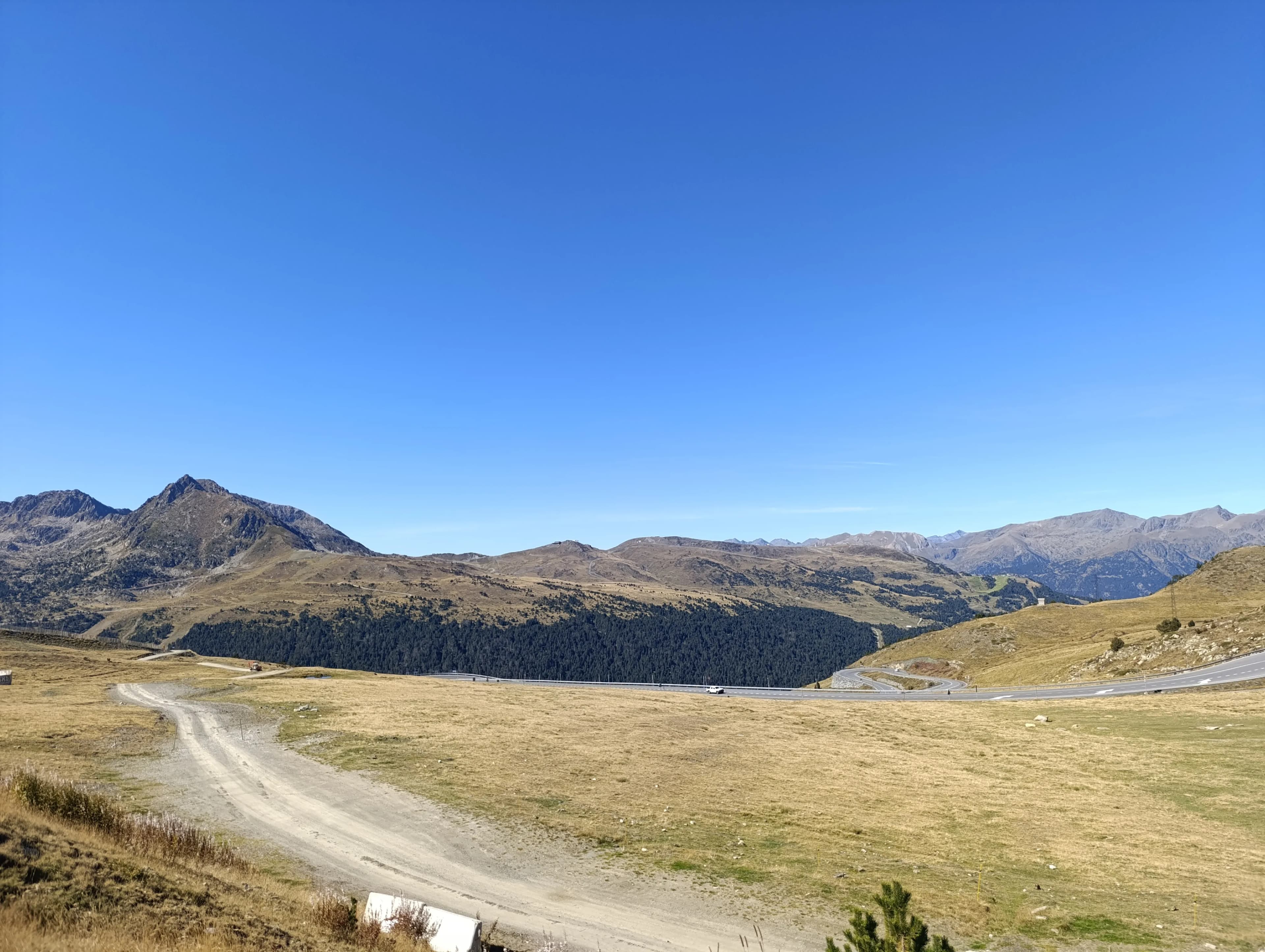
The first and highest pass of the day is also the most accessible for spectators. You can reach it by car via the CG-2 from early morning, before road closures. The summit offers a wide esplanade with 360-degree panoramic views. Keep in mind that in August, the temperature at the pass can drop significantly, especially if there's wind: bring a thermal layer even if it's hot down below.
3. Collada de Beixalís (the most spectacular for fans)
This is the favorite pass for many veteran road cycling fans. The 14% ramps in its central section create unique scenes: cyclists sway, the weaker ones hang meters behind the leaders, and the public, barely a meter from the road, can cheer with all their might. Climb on foot or by bike from Encamp and find a position in the middle section of the ascent, where the visual spectacle is at its peak.
4. Coll d'Ordino (quiet and scenic)
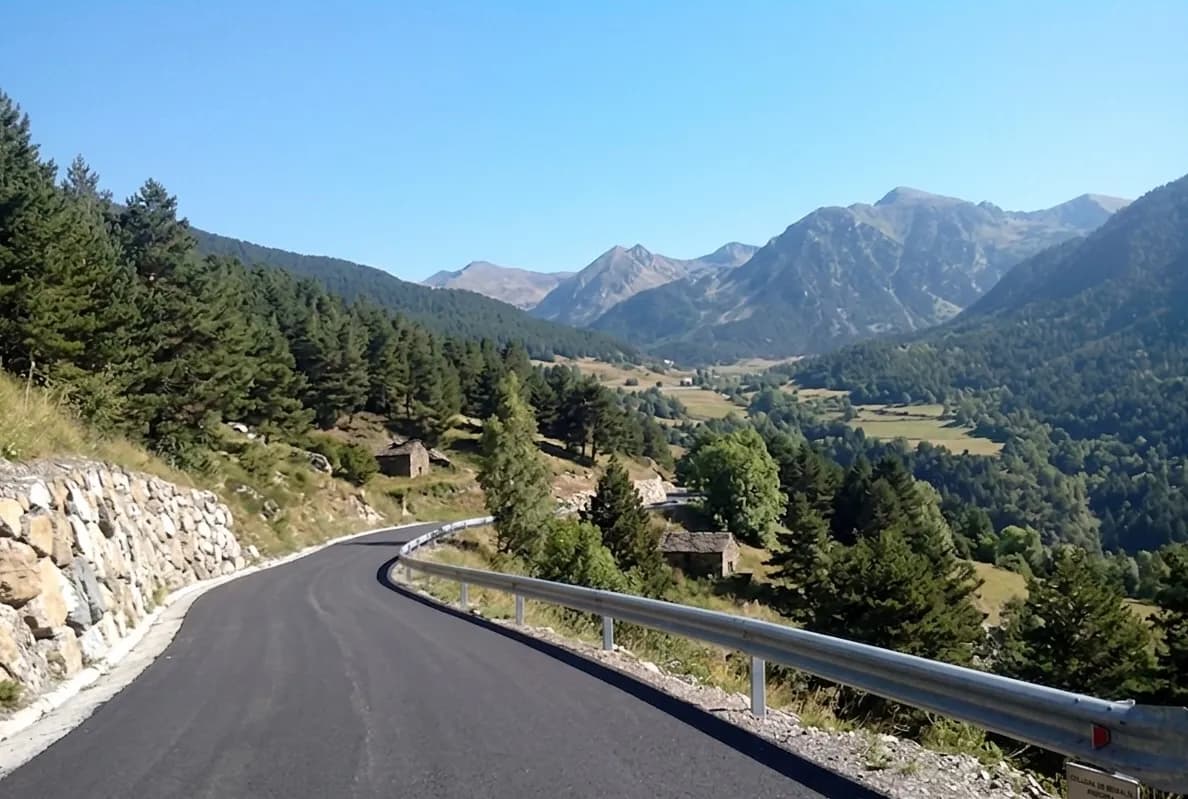
For those who prefer the quieter atmosphere of a less crowded pass, Coll d'Ordino is the ideal alternative. The coniferous forest surrounding the lower part of the ascent from Ordino and the open views in the last kilometers create an impressive natural setting. You can reach it from Ordino by car to the usual viewpoint parking.
5. Escaldes-Engordany (before La Comella)
The point on the road where riders enter Escaldes-Engordany before attacking La Comella is an urban corridor with a lot of neighborhood energy. Residents bring chairs out to their doors, there are bars and terraces on the sidewalk, and the race pace at that point is already intense. Ideal if you want to combine it with the subsequent finish in Andorra la Vella.
How to get around Andorra on the day of La Vuelta
This is the most practical point and the one most people overlook. On Stage 4, the roads of the Principality will be closed to traffic for several hours while the caravan and peloton pass. In previous editions of La Vuelta in Andorra, closures began between 3:00 PM and 4:00 PM and were not lifted until approximately 6:00 PM or 7:00 PM. Regular bus lines are also affected.
The golden rule: be at your viewing spot before noon. Once the closures are in effect, moving around in a private vehicle is practically impossible. The official recommendation from Andorran authorities in previous editions has been that between 3:00 PM and 6:00 PM, no one should expect to be able to move normally.
For parking, taxi or VTC transport before and after the event, consult the available options on Andorra.com, where you will find available mobility services to plan your trips in advance.
Practical tip: If you want to see the Port d'Envalira and the finish in Andorra la Vella, you will need to climb the pass early (before 1:00 PM) and descend before the roads are closed to arrive at the finish line on time. Climbing by bike is a real and very popular option among fans.
Where to watch La Vuelta a España 2026 on TV
If you prefer to follow the stage from home or your hotel, TV coverage of La Vuelta 2026 reaches 190 countries worldwide. In Spain, live broadcast is provided by Teledeporte (RTVE) and Eurosport, which also offers streaming through the platform Max. In Europe, Eurosport manages the signal throughout the region. In Latin America, ESPN and Caracol TV (Colombia) broadcast the race.
If you are staying in Andorra, practically all hotels and tourist apartments offer Spanish and French channels with event coverage.
Where to stay to experience the stage to the fullest
August 25th is a Tuesday, which could be a positive surprise regarding hotel availability if you travel the previous weekend and stay a few days in the Principality. However, La Vuelta generates a significant flow of visitors, journalists, and race staff, so it is advisable to book well in advance.
Staying in Andorra la Vella or Escaldes-Engordany will give you direct walking access to both the start and the finish. If you prefer a quieter base near Port d'Envalira, options in Encamp, Canillo, or the Grandvalira area allow you to comfortably climb the pass in the morning.
Check available hotels in Andorra for La Vuelta dates and book before the best rooms with views and central locations sell out.
Andorra and La Vuelta a España: a decades-long relationship
The Principality of Andorra is not a circumstantial venue for La Vuelta. The small Pyrenean nation has been appearing on the route of the Spanish race for decades as the setting for decisive stages, thanks to the combination of extreme altitude passes, perfectly maintained roads, and high-level logistics that organizers greatly value.
Passes such as Port d'Envalira, Collada de Beixalís, or Coll d'Ordino have hosted historical moments of the race and are part of the European cycling fan's imagination. Each edition that La Vuelta passes through Andorra reinforces the Principality's positioning as a benchmark destination for cycling sports tourism, with an offering ranging from long-distance cycle tourism to following major professional events.
Frequently asked questions
You may be interested in