
In this article
- History of Andorra: everything you need to know before your visit
- The 10 historical milestones of Andorra you should know
- When and how was Andorra born? The legend and the reality
- The legend of Charlemagne: did the king found the country?
- The first real document: the year 843 and the Valira valleys
- Why does Andorra have two co-princes? The Paréage of 1278
- What is a paréage and why does it matter?
- From the Count of Foix to the President of France: Europe's most peculiar inheritance
- The two co-princes of Andorra
- How was Andorra's parliament born? The General Council
- The Council of the Land of 1419
- The Casa de la Vall: where to see that history in person
- How did Andorra survive the European wars?
- The French Revolution threatened the Andorran status quo
- Napoleon restored Andorra's privileges in 1806
- Neutral in the World Wars: how Andorra survived the 20th century
- Boris I: the impostor who proclaimed himself King of Andorra in 1934
- What changed in 1993? The Constitution and entry into the modern world
- From feudalism to parliamentary state
- 20th and 21st Century Milestones
- How does the co-principality work today?
- Where can you see Andorra's history in person?
- Casa de la Vall — Andorra la Vella
- Romanesque Churches — scattered throughout the territory
- Balma de la Margineda — Sant Julià de Lòria
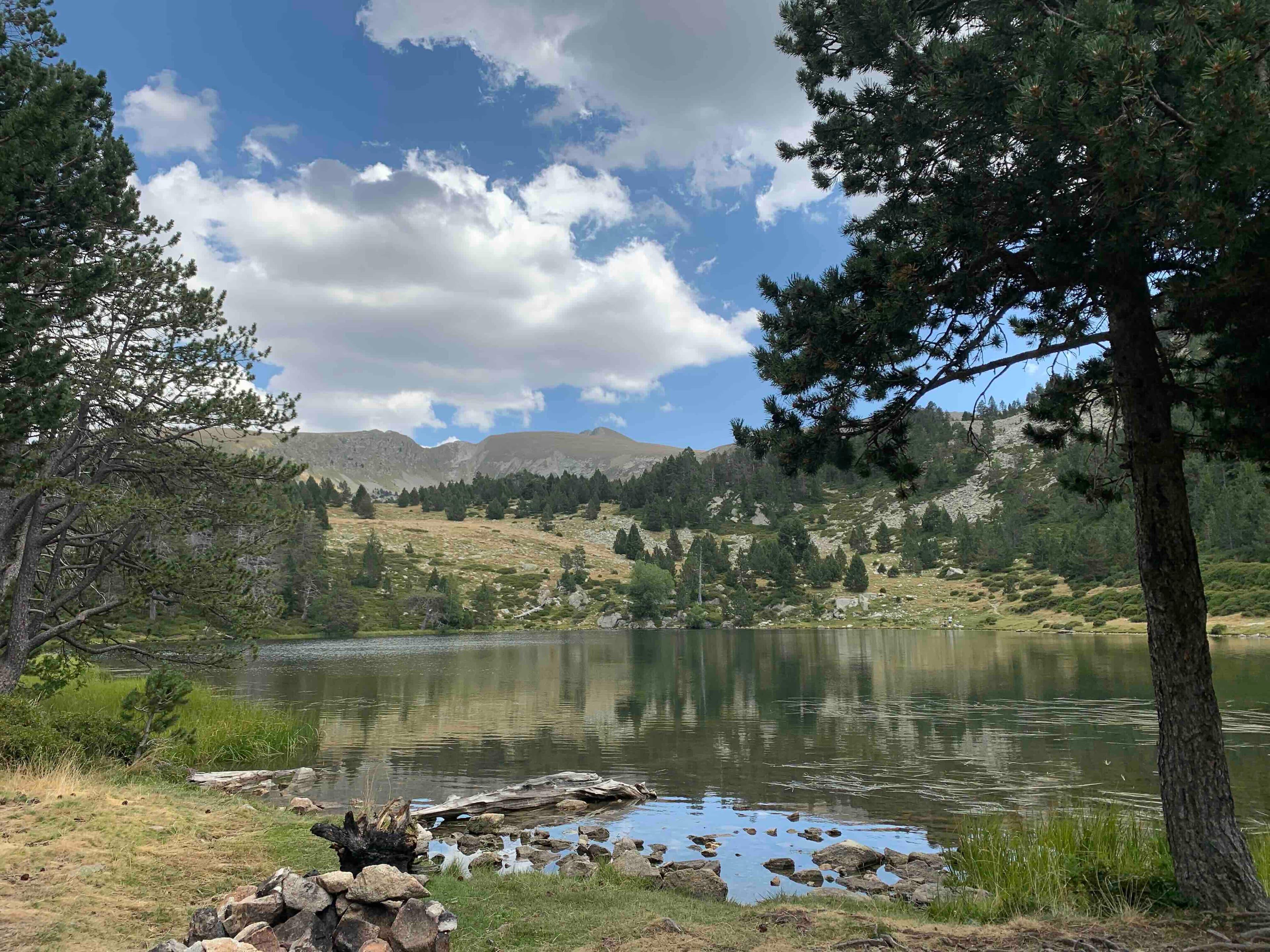
- Madriu-Perafita-Claror Valley — UNESCO Heritage
- Casa de Areny-Plandolit Museum — Ordino
- Iron Route — several municipalities
- Book experiences to discover Andorra
- Curiosities and legends of Andorra that no one tells you about
- Do you want to keep discovering the country?Book your accommodation
- Frequently Asked Questions
History of Andorra: everything you need to know before your visit
Andorra has been in the heart of the Pyrenees for over a thousand years, governed by two princes from different countries, without its own army, and with an identity built on medieval pacts, legends, and a capacity for survival that allowed it to outlast Napoleon, the Spanish Civil War, and two world wars. This article summarizes its history in an accessible way so that you arrive in the country knowing what lies behind every stone, every institution, and every name on the map.
The 10 historical milestones of Andorra you should know
Year | Milestone | What it means for the visitor |
|---|---|---|
805 (legend) | Charlemagne founds Andorra | The mythical origin of the country |
843 | First historical document | The first official text mentioning the territory |
1133 | The Bishop of Urgell assumes control | Beginning of ecclesiastical power in the valleys |
1278 | First Paréage | The pact that created the co-principality |
1288 | Second Paréage | Confirmation and expansion of the previous agreement |
1419 | Consell de la Terra | The birth of the Andorran parliament |
1866 | Nova Reforma | First step towards citizen participation |
1934 | Boris I, the false king | The most unusual episode in the country's history |
1993 | Constitution and entry into the UN | Andorra enters the modern world |
2002 | Adoption of the euro | Definitive economic integration with Europe |
When and how was Andorra born? The legend and the reality
The legend of Charlemagne: did the king found the country?
The best-known version of Andorra's origin states that Emperor Charlemagne founded the country in the year 805 to thank its inhabitants for their help in the fight against the Saracens. Five thousand Andorrans are said to have fought under the command of Captain Marc Almugàver, and as a reward, the emperor would have granted them protection and sovereignty over their valleys.
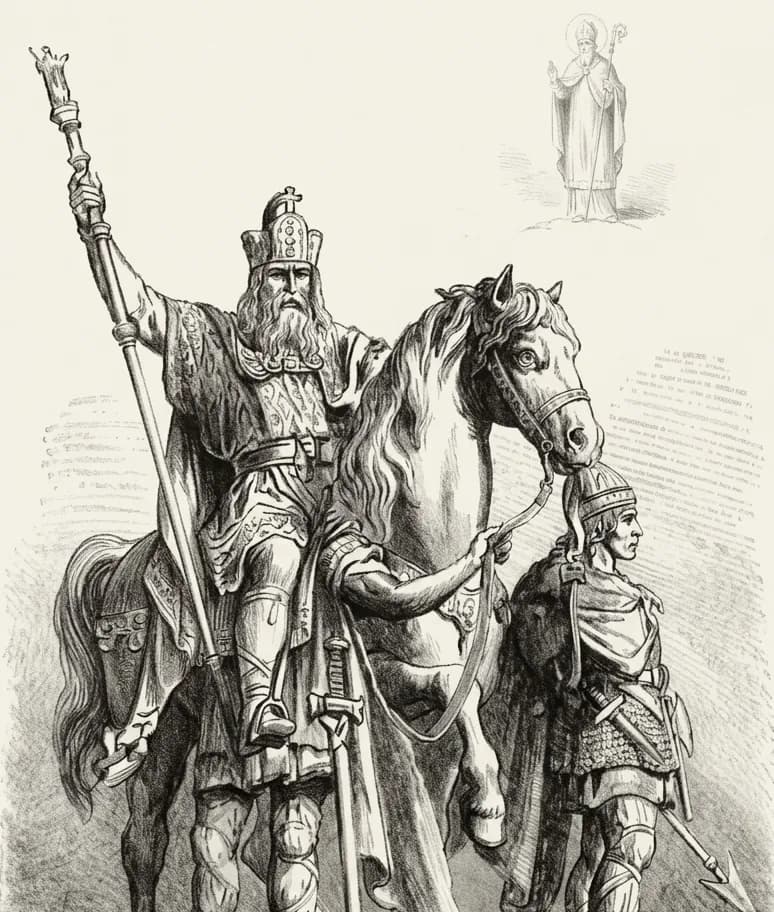
It's a powerful story. And that's exactly what it is: a legend. No historical document confirms that Charlemagne visited the Andorran valleys or issued any founding decree. Nevertheless, his figure is etched into the country's identity: the most emblematic hotel in Escaldes bears his name (Carlemany), and there are several sculptures dedicated to his legendary passage through the Pyrenees.
The first real document: the year 843 and the Valira valleys
The first written record mentioning Andorra as a territory with its own identity dates back to the year 843. That year, Emperor Charles the Bald granted Sunifred I, Count of Urgell and Cerdanya, a series of possessions that included the Valira valleys. There is no solemn foundation, no speech: just an administrative document listing some lands among others.
But that document was the first of many. From it, the history of Andorra slowly began to be built amidst power disputes, feudal agreements, and a geography that made the territory very difficult for any of its neighbors to conquer.
Why does Andorra have two co-princes? The Paréage of 1278
What is a paréage and why does it matter?
A paréage (from Latin pariagium) is a medieval co-sovereignty agreement between two lords over the same territory. Andorra's, signed in 1278, was proposed by King Peter III of Aragon as an arbiter to end the continuous conflicts between the Count of Foix and the Bishop of Urgell, the two lords who disputed control of the valleys.
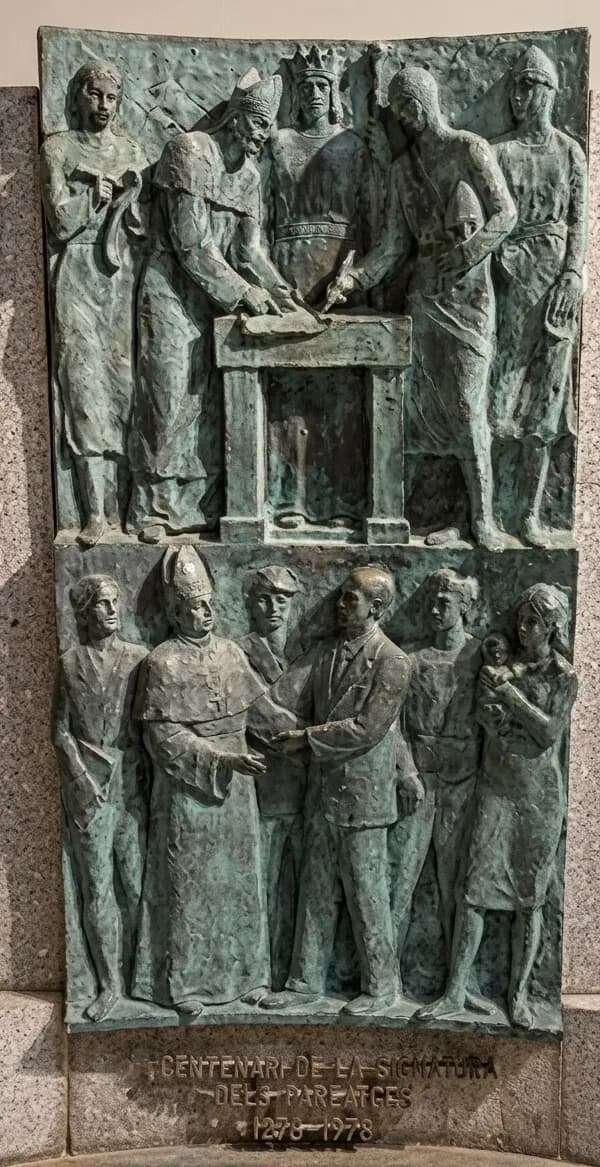
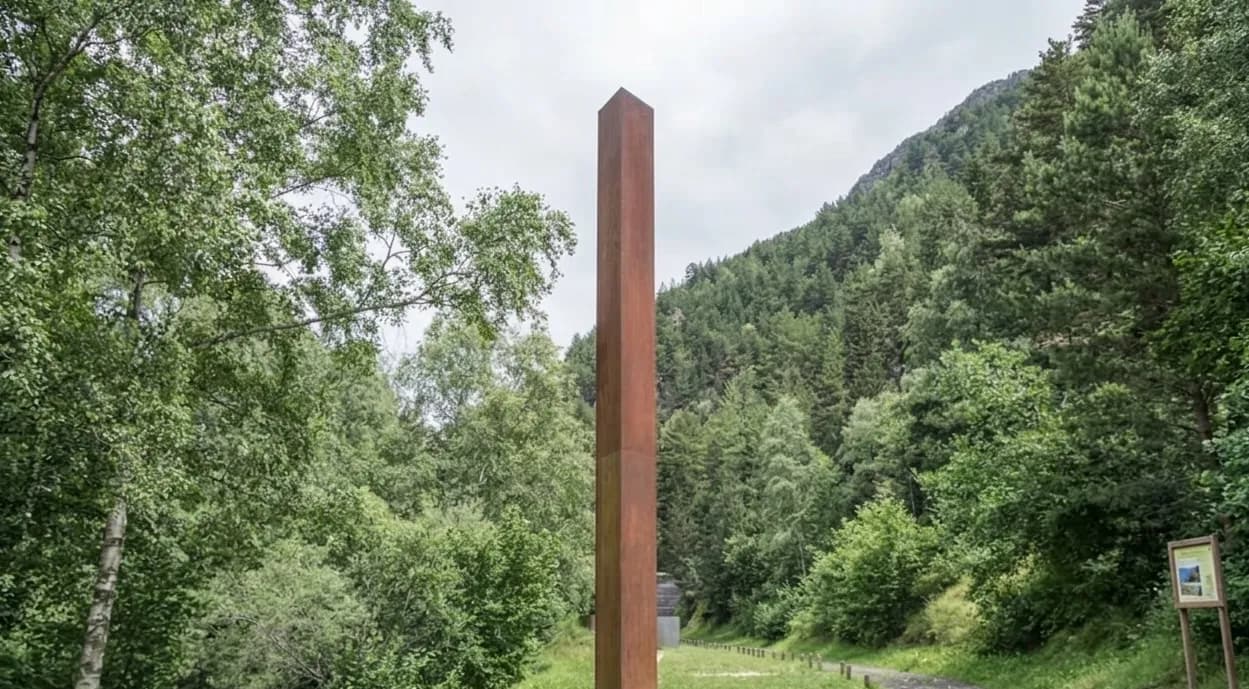
Commemorative monument of the 700th anniversary of the signing of the Paréages of Andorra.
The result was clear: both would permanently share the government of Andorra. Andorrans would pay an alternating tribute to one and the other. Neither could act alone. In 1288, a second Paréage was signed, completing and strengthening the first.
That agreement has been in force for over 700 years. It is the legal basis of the Andorran State.
From the Count of Foix to the President of France: Europe's most peculiar inheritance
When the Paréage was signed, the lay lord of the valleys was the Count of Foix. Through marriages and inheritances, that title passed centuries later to the kings of Navarre, and when Henry III of Navarre became Henry IV of France, the title became linked to the French Crown forever.
Since then, the French co-prince of Andorra is the head of state of France. Today that co-prince is the President of the French Republic: if there are presidential elections in France, Andorra automatically has a new co-prince. The other remains the Bishop of the Diocese of Urgell. It is, possibly, the oldest and most unique system of government in Europe.
The two co-princes of Andorra
Co-prince | Position | Historical origin |
|---|---|---|
Episcopal | Bishop of the Diocese of Urgell | Since the 11th century |
French | President of the French Republic | Inherited from the Count of Foix, 13th century |
How was Andorra's parliament born? The General Council
The Council of the Land of 1419
In 1419, at the request of an Andorran citizen, the Bishop of Urgell and the Count of Foix granted the inhabitants of the valleys the right to elect representatives to resolve daily matters. Thus was born the Consell de la Terra (Council of the Land), the embryo of the current Consell General (General Council), Andorra's parliament.
It is one of Europe's oldest representative bodies. For centuries, it met in a single building in the old town of Andorra la Vella, which any visitor can enter and see today.
The Casa de la Vall: where to see that history in person
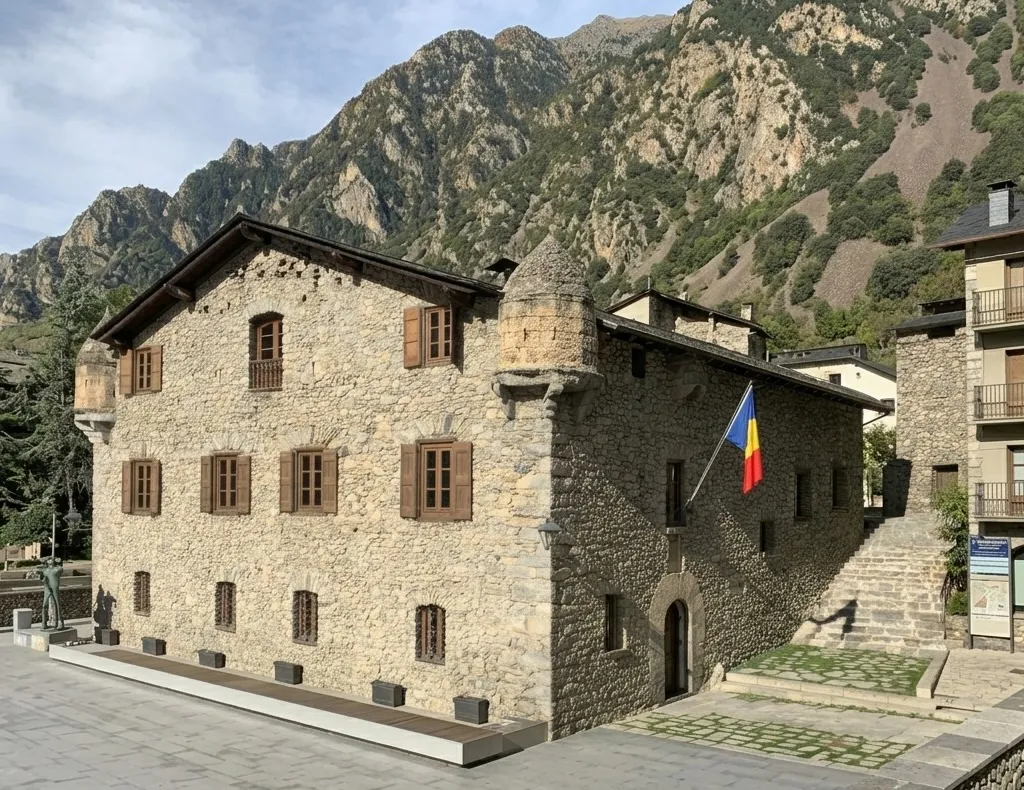
The Casa de la Vall is the building where the Consell General held its sessions from the 16th century until 2011. Built in 1580 as a manor house by the Busquets family and later ceded for parliamentary use, it is today the country's most representative historical monument.
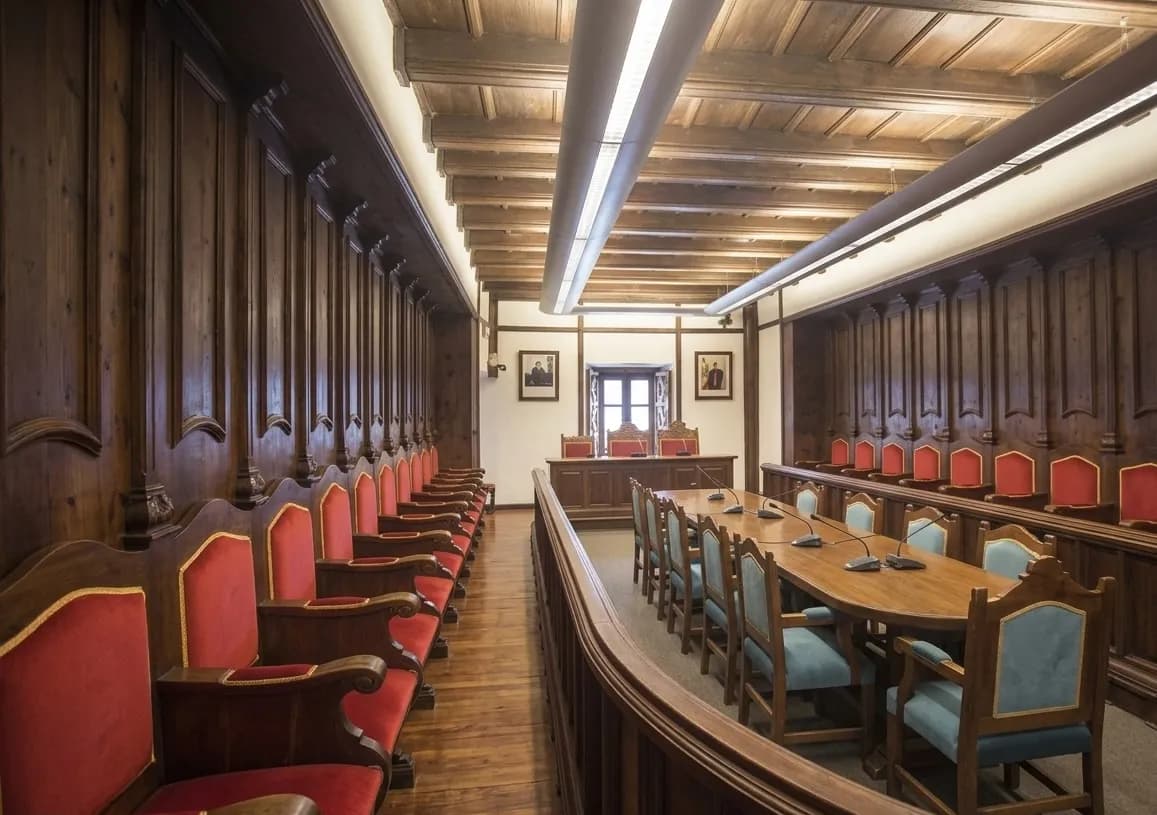
Inside, the Council Chamber, the original stone fireplace, and the famous cabinet of the Six Keys are preserved: the country's national archive had six locks, one for each parish, and its six keys had to be used simultaneously to open it. Admission is free, and guided tours are available in Spanish.
How did Andorra survive the European wars?
The French Revolution threatened the Andorran status quo
With the arrival of the French Revolution in 1789, Andorra's link with France entered a crisis. The revolutionaries rejected the Paréage due to its feudal origin and suspended the payment of tributes. In 1793, the department of Ariège formally rejected the Andorran feudal tribute. For a country whose entire legal system rested on that medieval agreement, the situation was extremely delicate.

Napoleon restored Andorra's privileges in 1806
The solution came from Bonaparte. Following an Andorran petition to the new emperor in 1804, Napoleon issued a decree in 1806 restoring Andorra's privileges in France. The Paréage survived the Revolution.
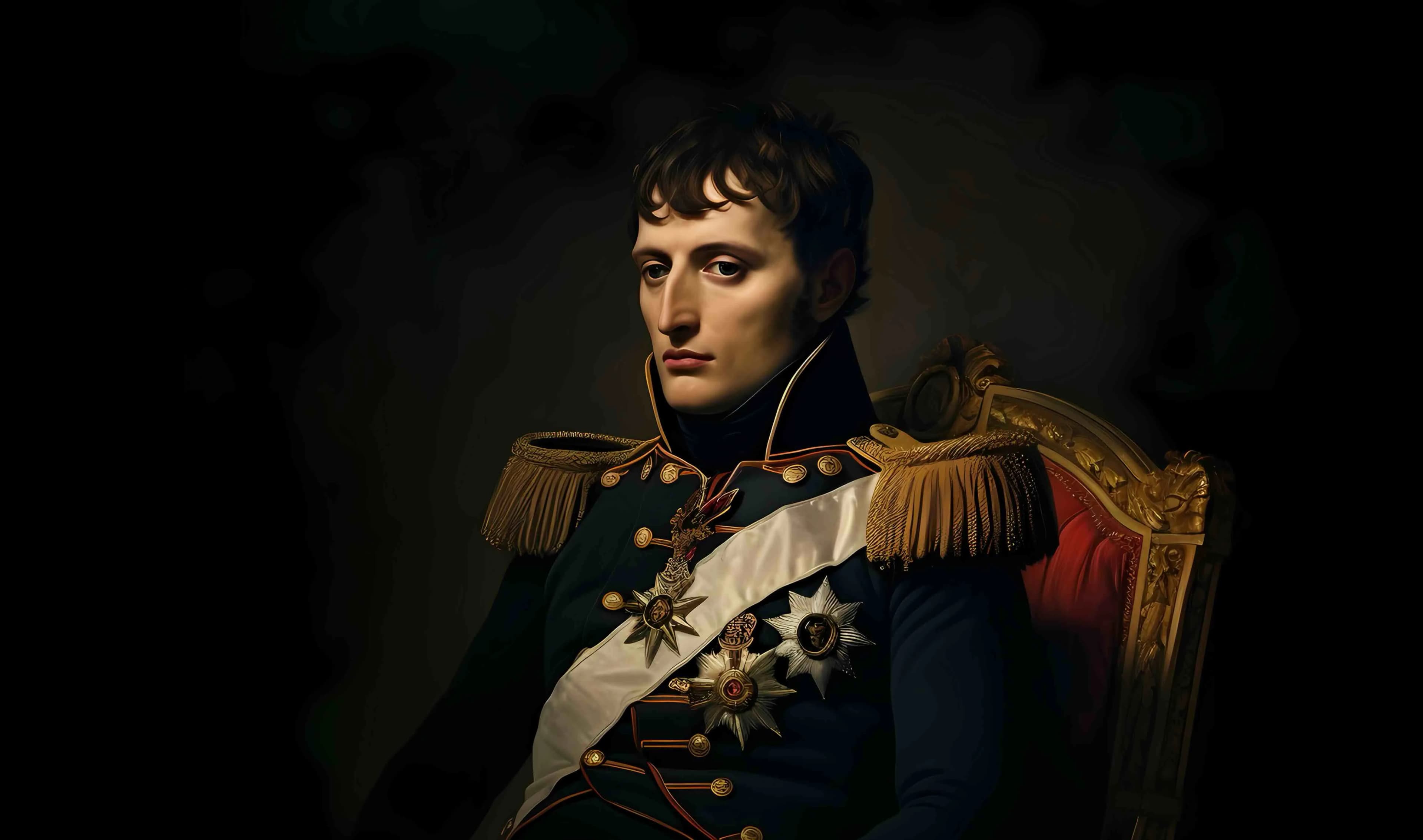
It is one of the lesser-known episodes in Andorran history and one of the most revealing: Andorra's survival depended, in part, on being small enough not to be worth conquering.
Neutral in the World Wars: how Andorra survived the 20th century
During the Spanish Civil War, the episcopal co-prince took refuge in the valleys in July 1936. During World War II, the country remained neutral. According to estimates, more than 50,000 displaced people crossed its mountains towards other countries.
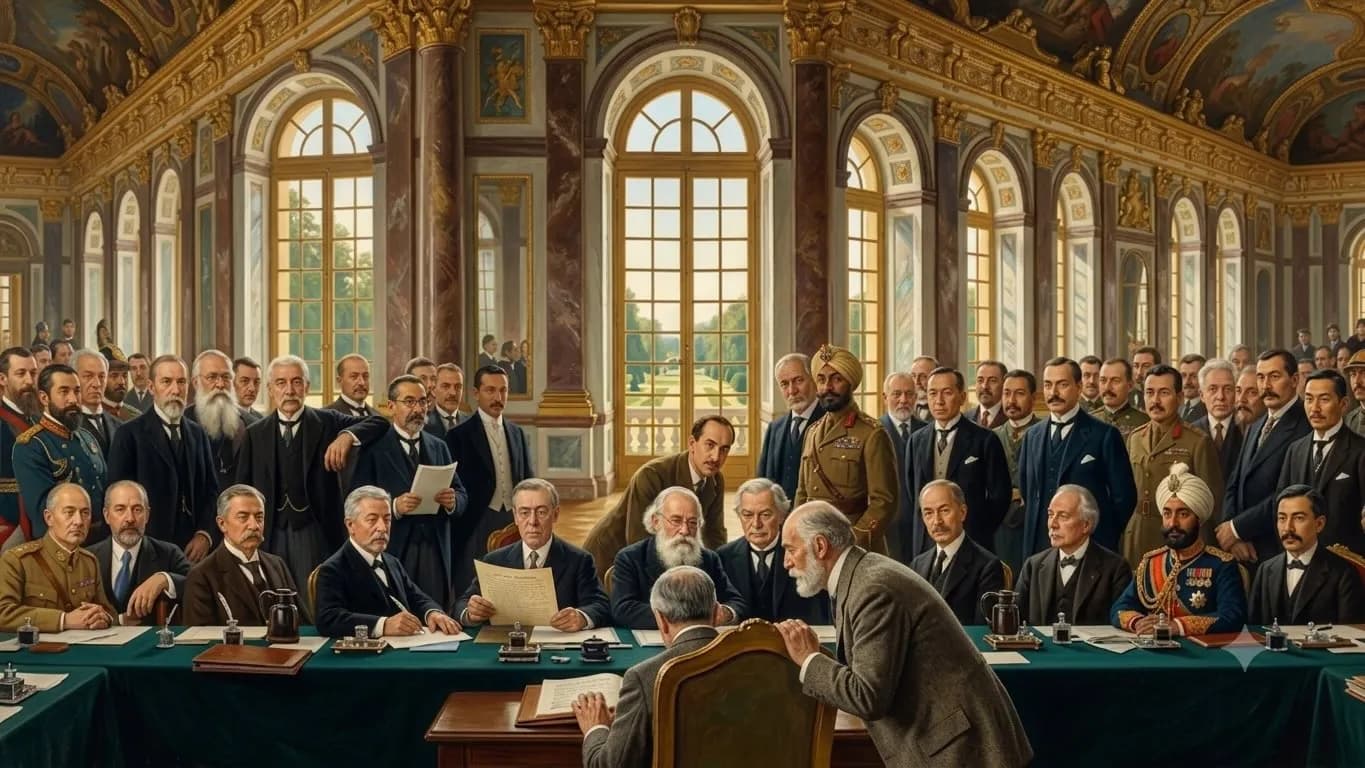
There's a fact that often surprises: Andorra and Germany were technically at war until 1958. The Principality had been omitted from the Treaty of Versailles of 1919, and no one noticed until both countries signed a peace treaty almost four decades later.
Boris I: the impostor who proclaimed himself King of Andorra in 1934
In 1934, a Russian adventurer named Boris Skósyrev arrived in Andorra with promises of wealth and modernization for a rural and isolated country. He presented his candidacy to the Consell General, which rejected it twice. Undeterred, he traveled to La Seu d'Urgell and proclaimed himself sovereign prince of Andorra, symbolically declaring war on the bishop.
The bishop requested help from Spain. The Civil Guard arrested Skósyrev, transferred him to Barcelona, where he was tried and expelled from the country. Boris Skósyrev was never king or prince of Andorra. But his story — which today inspires a film — perfectly illustrates the institutional vacuum that existed before the 1993 Constitution.
What changed in 1993? The Constitution and entry into the modern world
From feudalism to parliamentary state
On March 14, 1993, Andorrans approved their first written Constitution in a referendum. The text eliminated the last feudal vestiges of the government system, declared the Andorran people as the sole sovereign of the State, reduced the powers of the co-princes, and established a modern parliamentary system.
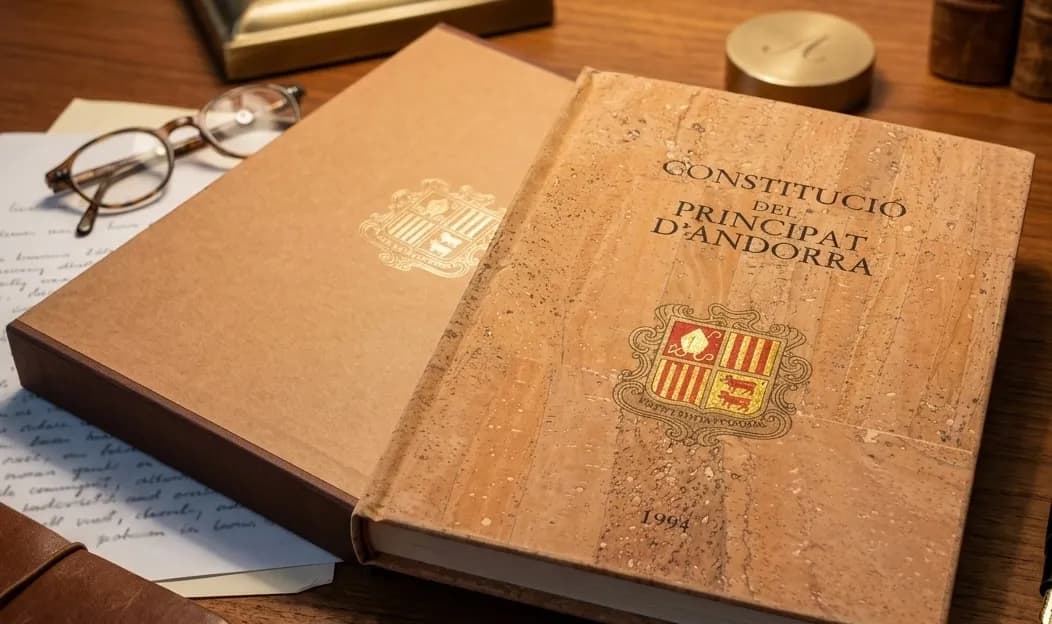
It was the end of over 700 years of feudalism. Andorra went from being a medieval vestige to becoming a rule of law state contemporary in a single day.
20th and 21st Century Milestones
- 1914: first road connecting Andorra with Spain (Seu d'Urgell). In 1933, the section to Pas de la Casa, on the French border, was completed.
- 1934: the episode of Boris I highlights the country's institutional fragility.
- 1970: the law recognizes women's suffrage, applied for the first time in the December 1971 elections.
- 1982: the first government separate from the legislative power is born.
- 1993: Constitution (March 14) and entry into the UN (July 28). The first speech delivered at the UN on behalf of Andorra was in Catalan.
- 1995: Andorra Televisió (ATV), the country's public television, is born.
- 1997: the University of Andorra is created.
- 2002: adoption of the euro as official currency.
How does the co-principality work today?
Today, Andorra is a parliamentary co-principality. The two co-princes exercise representative and symbolic functions, but real power resides in the Consell General (a unicameral parliament of 28 members) and the Cap de Govern (head of government), elected by citizens with Andorran nationality.
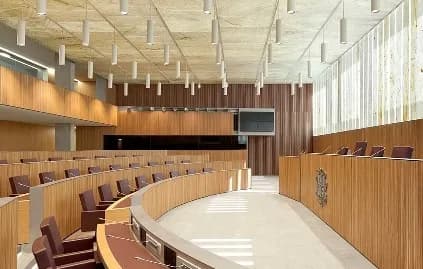
An important detail to understand the country: residents without Andorran nationality — who represent a significant part of the population — do not have the right to vote.
Where can you see Andorra's history in person?
Andorra's history is not just in books. It's in the buildings, routes, and museums scattered throughout the country. Here are the places that directly connect with what you've read.
Casa de la Vall — Andorra la Vella
The historic parliament. Guided tours in Spanish. It is the essential starting point for understanding the country's political history.
Romanesque Churches — scattered throughout the territory
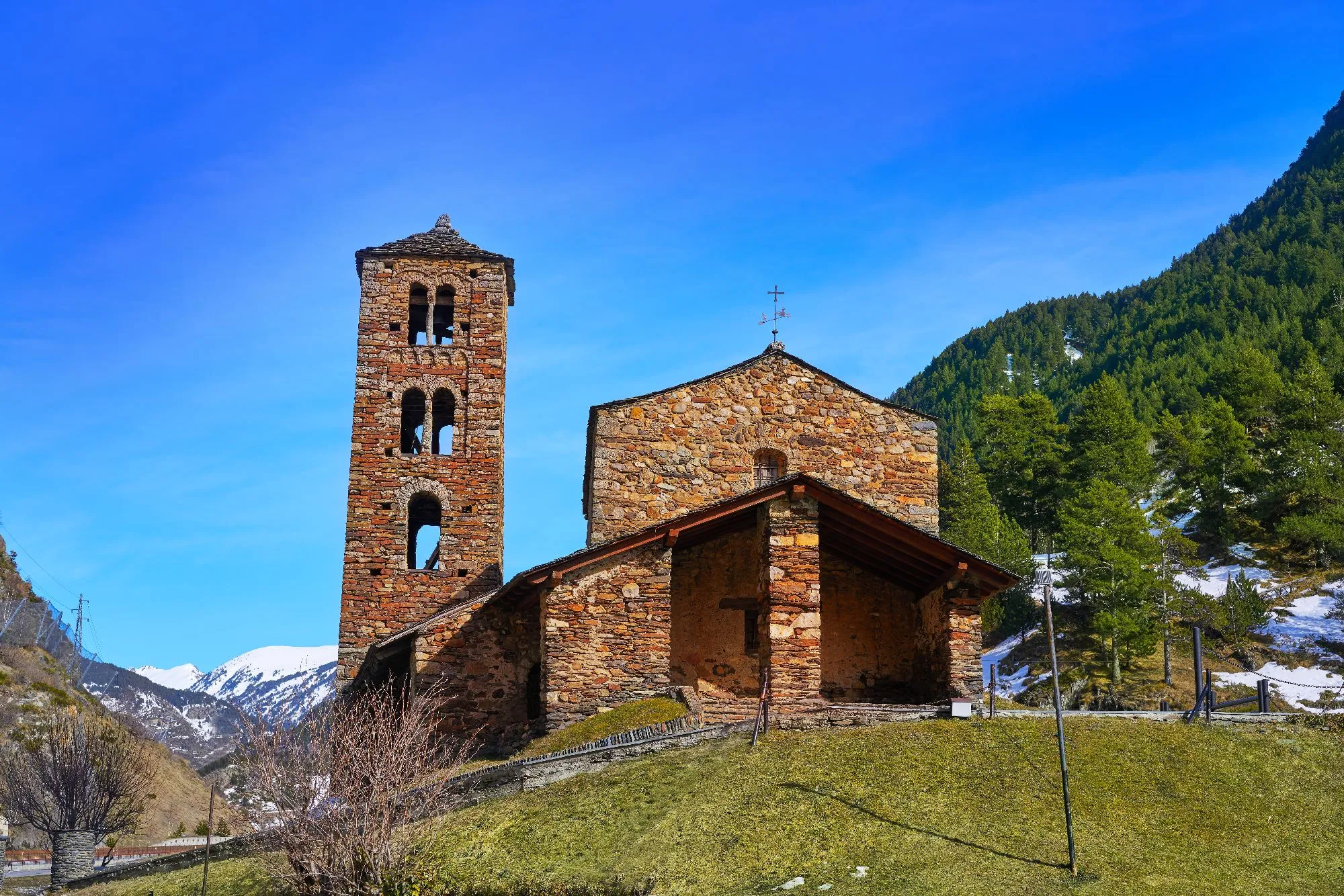
Andorra's medieval legacy is preserved in churches such as Sant Joan de Caselles (Canillo), Sant Climent de Pal or Santa Coloma. Built between the 11th and 12th centuries, they are the physical trace of the ecclesiastical power that defined the country for centuries. Many can be visited for free.
Balma de la Margineda — Sant Julià de Lòria
Archaeological site where the first traces of human presence in Andorra, from the Mesolithic period, were found. For those who want to start history from the very beginning.
Madriu-Perafita-Claror Valley — UNESCO Heritage
Declared a World Heritage Site in 2004, this glacial valley has been continuously inhabited for thousands of years. Its paths and mountain shelters are living history of human use of the Andorran territory.
Casa de Areny-Plandolit Museum — Ordino
17th-century manor house that belonged to the family that promoted the Nova Reforma of 1866. Preserved as it was in the 19th century, it allows understanding the daily life of the Andorran elite before modernization. Visits include a guide and are available in several languages.
Iron Route — several municipalities
Andorra had a prominent iron and steel industry between the 17th and 19th centuries. The Iron Route covers the old Catalan iron production forges (les fargues) and shows an economic facet of the country that very few visitors know about.
Book experiences to discover Andorra
Curiosities and legends of Andorra that no one tells you about
- Andorra signed peace with Germany in 1958. The Principality had been omitted from the Treaty of Versailles in 1919 and was technically at war with Germany for almost four decades.
- The only country in the world with Catalan as its sole official language. Spanish and French are spoken fluently throughout the country, but the only official language of the State is Catalan.
- The paréage has been in force for over 700 years. The 1278 agreement remains the legal basis of the State. It is the oldest continuous system of government in Europe.
- In 1973, the two co-princes met for the first time since the 13th century. The meeting between Georges Pompidou and Bishop Joan Martí Alanis was the first between both co-princes in several centuries.
- The legend of Noah's ring. According to local tradition, in the same place where Noah tied the ark, Charlemagne tied his horse when crossing the Pyrenees. On Sant Joan's nights, legend says, that ring turns into solid gold.
- Boris I inspired a film. The story of the Russian adventurer who proclaimed himself prince in 1934 has reached the cinema. The most improbable anecdote in Andorran history turns out to be completely real.
Do you want to keep discovering the country?Book your accommodation
Frequently Asked Questions
You may be interested in
Most read