In this article
- Is wild camping allowed in Andorra?
- Camping, bivouac, and shelter: important differences
- Wild camping
- Bivouac
- High mountain overnight stay
- Mountain shelter
- Where to sleep in the high mountains of Andorra
- Most recommended guarded shelters in summer
- Best areas for a mountain night in summer
- Incles Valley and Juclà lakes
- Comapedrosa Natural Park
- Sorteny Natural Park
- Madriu-Perafita-Claror Valley
- Coronallacs: the great hut-to-hut trek
- What activities can you do?
- When to go high-mountain camping in Andorra
- What you need to bring
- Essential gear
- If you bring a tent or tarp
- Common mistakes to avoid
- Believing that because you're above 2,000m, you can camp anywhere
- Arriving at the hut without a reservation in mid-August
- Setting up your tent next to a lake
- Lighting a fire
- Relying on having cell service
- Sleeping in a camper in any parking lot
- Local tips for planning your route well
- Suggested route for a first experience
- Easy option: Borda de Sorteny
- Mid option: Juclà
- Advanced option: Comapedrosa
- Combina la montaña con una noche cómoda
- Frequently Asked Questions
Wild camping in Andorra doesn't mean pitching your tent wherever you want: it's regulated, and it's advisable to know the rules well before heading to the mountains. In summer, the safest and most recommended option is to plan your night in high mountain shelters or only bivouac when regulations allow it.
In this guide, you'll find what's allowed, which high mountain areas are most interesting, which shelters to consider, when to go, and what to bring to sleep safely in Andorra.
Is wild camping allowed in Andorra?
The quick answer is: not as traditional wild camping. In Andorra, you cannot pitch a tent in any meadow, lake, or parking lot and spend the night as if it were an improvised campsite.
The practical rule you should be clear about is this:
Situation | Is it recommended? | What you should know |
Pitching a tent freely below 2,000 m | No | Wild camping is prohibited below that altitude. |
Sleeping near a shelter if it's full | Yes, with conditions | It must be a one-off overnight stay, during nighttime hours, and without setting up a stable camp. |
Sleeping in a guarded shelter | Yes | It's the safest option in summer, but it's advisable to book. |
Sleeping in an unguarded shelter | Yes | You need to bring a sleeping bag, food, headlamp, and don't expect services. |
Overnighting in a camper van or motorhome outside designated areas | No | Must be done in campsites or expressly authorized areas. |
My local recommendation: if your goal is to experience high mountain life, plan your night around a shelter. You will have more security, less environmental impact, and less risk of non-compliance with a specific parish regulation.
To organize the rest of your trip, you can also check the section on where to sleep in Andorra and combine mountains with a comfortable night in the valley.
Camping, bivouac, and shelter: important differences
One of the most common mistakes is using “wild camping,” “bivouac,” and “sleeping in a shelter” as if they were the same. They are not.
Wild camping
It means setting up a tent or structure to sleep outside an authorized area. In Andorra, this practice is very limited and should not be considered as a first option.
Bivouac
It means sleeping outdoors or with minimal equipment, usually a sleeping bag and mat, without setting up a stable camp. Even so, in Andorra, you must also check the conditions of the area, especially if you are in a protected area or within a parish with specific regulations.
High mountain overnight stay
It means spending a night during a trek, dismantling everything at dawn and leaving no trace. In practice, it's the formula that can fit long routes as long as you respect local regulations.
Mountain shelter
It's the clearest option for sleeping in the high mountains of Andorra. There are guarded shelters, with services during part of the year, and unguarded shelters, more basic and open for hikers.
If you're looking for an authentic experience without complications, start by checking the shelters in Andorra and plan your route based on them.
Where to sleep in the high mountains of Andorra
Andorra has a network of shelters spread across valleys, lakes, and long-distance routes. Some are guarded during the season, and others are unguarded, without a warden or catering.
Most recommended guarded shelters in summer
Shelter | Area | Approx. altitude | Why choose it |
Juclà Shelter | Incles Valley, Canillo | 2,310 m | Ideal for high mountain lakes and demanding but very rewarding routes. |
Comapedrosa Shelter | La Massana | 2,265 m | Perfect if you want to get close to the roof of Andorra. |
L’Illa Shelter | Madriu-Perafita-Claror / Encamp | 2,488 m | Great option for long treks and alpine environment. |
Sorteny Borda | Ordino | 1,965 m | Very good first experience of a guarded shelter. |
The advantage of guarded shelters is that they reduce backpack weight and offer a greater safety margin. Even so, you shouldn't improvise: in July and August, places can fill up.
Best areas for a mountain night in summer
I won't call them “wild camping areas” because that would be confusing. They are recommended high mountain areas for planning a responsible overnight stay with a shelter or regulated bivouac.
Incles Valley and Juclà lakes
The Incles Valley is one of the most beautiful gateways to the Andorran high mountains. In summer, the Juclà area has everything one looks for in a Pyrenean trek: lakes, rock, elevation gain, and a sense of isolation.
It's an area for hikers with some experience, especially if carrying sleeping gear. The Juclà shelter is the natural reference point for planning your night.
For whom: hikers in good physical condition.
Best time: from late June to September.
Local tip: leave early; afternoon storms in the high mountains are unforgiving.
Comapedrosa Natural Park
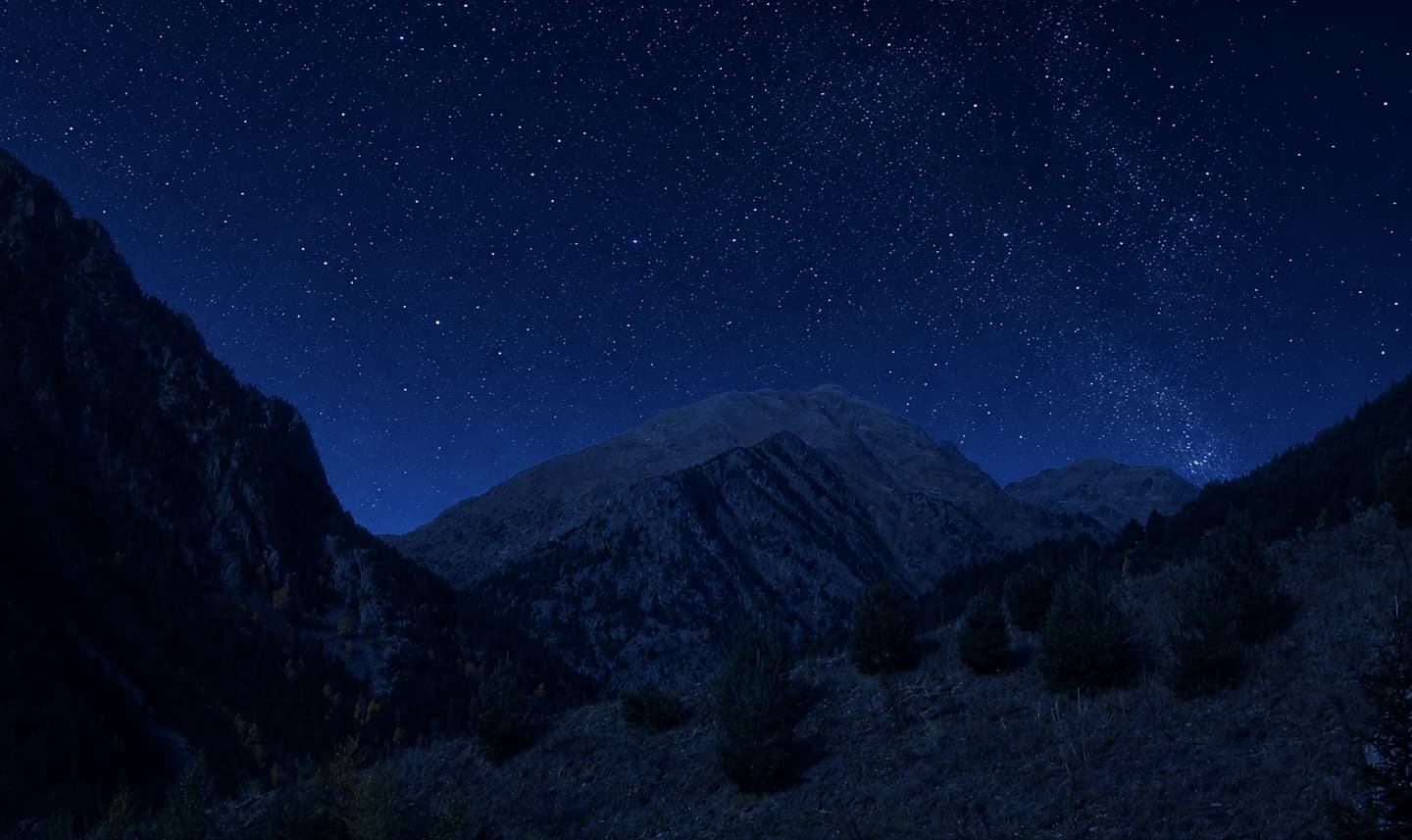
If we talk about adventure, Comapedrosa always comes up. It's the area of Andorra's highest peak and one of the best options for those who want a real high mountain experience.
The Comapedrosa shelter allows for organizing a two-day outing without turning it into a logistical ordeal. The ascent demands respect: elevation gain, rocky terrain, and rapid weather changes.
For whom: experienced mountaineers or prepared hikers.
Best time: July, August, and the first half of September.
Local tip: don't underestimate the descent; many people arrive tired at the top and descend worse than expected.
Sorteny Natural Park
Sorteny is a very balanced option for those who want nature, a shelter, and a less extreme approach. Access to the Sorteny Borda area is gentler than other high mountain areas, making it a good first introduction.
Furthermore, the valley has a very high natural value, with flora, fauna, and routes for different levels.
For whom: first experience in a mountain hut or a quiet mountain getaway.
Best time: June to October, depending on conditions.
Local tip: ideal for testing gear before embarking on a tougher trek.
Madriu-Perafita-Claror Valley
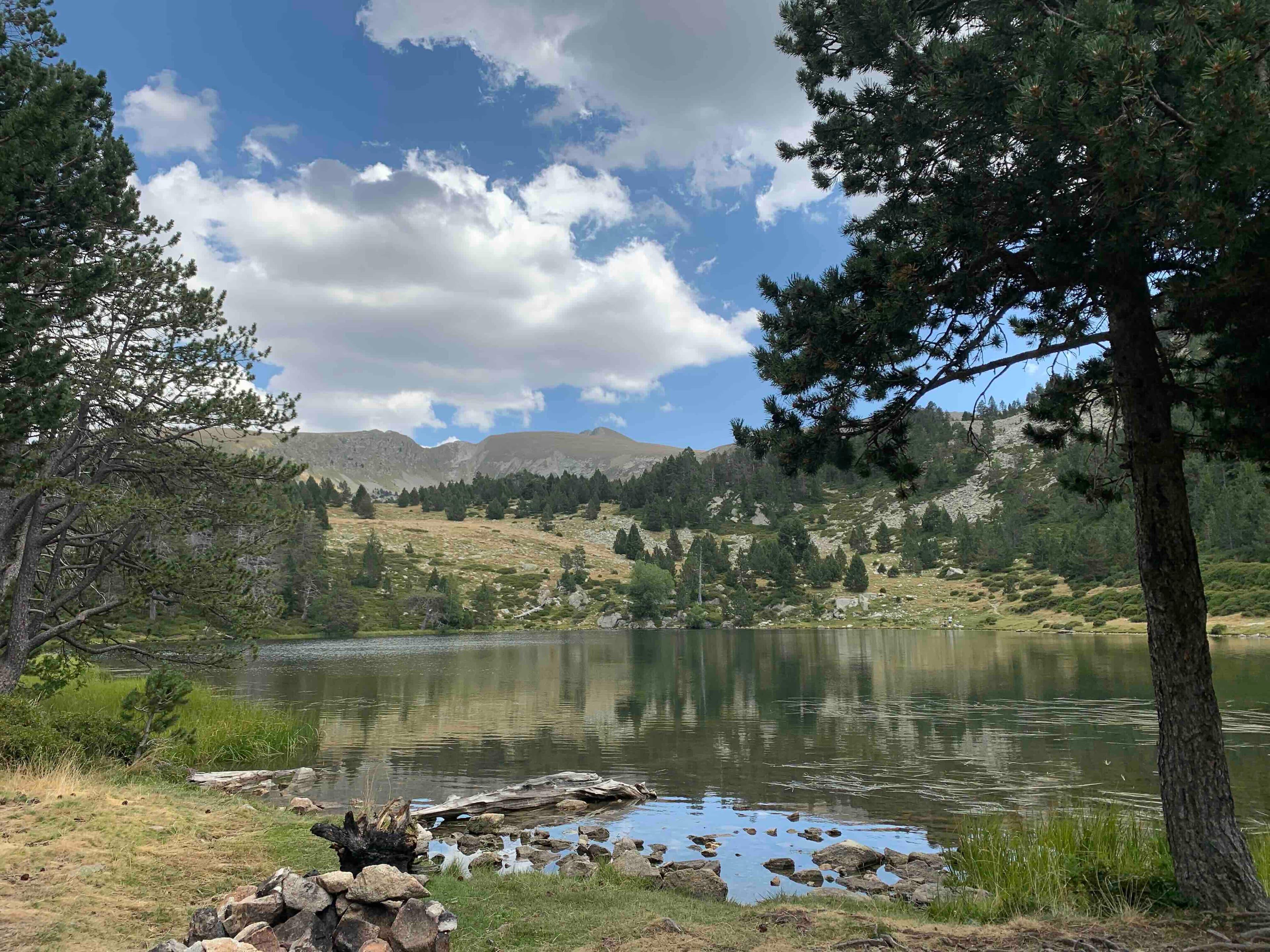
The Madriu-Perafita-Claror Valley is one of Andorra's great trekking destinations. It's a spectacular area, but also more sensitive in terms of conservation and regulations.
Here, it's advisable to be especially cautious: there are free shelters like Fontverd, Perafita, or Claror, and the l'Illa hut as a major reference point for long routes.
For whom: hikers with trekking experience.
Best time: July to September.
Local tip: always check access and regulation conditions before planning a night outside a hut.
Coronallacs: the great hut-to-hut trek
If you want a complete experience without relying on camping, the Coronallacs route is one of the best options. It's a multi-day circular itinerary that connects guarded huts and crosses some of the country's most alpine landscapes.
It's not a route for beginners: there's elevation gain, long stages, and high mountain weather. But if you already have experience, it's one of the cleanest and safest ways to sleep up high without carrying a tent.
You can link this guide with content on what to do in Andorra to complement the route with other nature activities.
What activities can you do?
When to go high-mountain camping in Andorra
The best time to sleep in the high mountains in Andorra is from late June to mid-September, although it depends on accumulated snow, altitude, and the opening of guarded huts.
Month | Usual conditions | Recommendation |
June | Snow may remain on high passes | Good time only if you check route conditions. |
July | Long days and active huts | Very good month, but with more crowds. |
August | Peak demand and afternoon storms | Book and get an early start. |
September | Fewer people and a quieter atmosphere | Excellent, with colder nights. |
October | Short days and cold nights | Only with experience and good foresight. |
In the high mountains, “summer” doesn't guarantee warmth. At 2,000–2,500 meters, you can experience wind, rain, fog, and low temperatures even in August.
What you need to bring
The equipment depends on whether you'll be sleeping in a guarded hut, a free shelter, or bivouacking. This checklist covers the basics for a responsible summer outing.
Essential gear
- Comfortable 30–45 liter backpack.
- Sleeping bag or sleeping bag liner, depending on the type of hut.
- Sleeping mat if you don't have a confirmed spot in a hut.
- Headlamp with batteries or a spare battery.
- Waterproof and windproof jacket.
- Thermal layer for the night.
- Mountain boots or shoes with good soles.
- Offline map, GPS, or downloaded track.
- Power bank.
- Basic first-aid kit.
- Sunscreen, hat, and glasses.
- Bag to carry out all your waste.
- Enough water or a water purification system.
- Energy food and a light dinner if you're going to a free shelter.
If you bring a tent or tarp
Before putting the tent in your backpack, ask yourself three questions:
- Does the area actually allow overnight stays?
- Is it a one-off night and not a stable campsite?
- Do I have an alternative if the hut is full or the weather changes?
If the answer isn't clear, change your plan. In Andorra, there are enough huts and accommodations to avoid a fine or a bad night.
Common mistakes to avoid
Believing that because you're above 2,000m, you can camp anywhere
Altitude is not a universal permit. There are protected areas, private lands, parish regulations, and specific conditions.
Arriving at the hut without a reservation in mid-August
In summer, especially on popular routes, guarded huts can fill up. Always book if possible.
Setting up your tent next to a lake
It looks like a postcard, but it's bad practice: the lake environment is fragile and tends to concentrate more human pressure. Stay away from sensitive areas and leave no trace.
Lighting a fire
Avoid it except in expressly designated and permitted areas. In summer, the environmental risk can change from one day to the next.
Relying on having cell service
In many valleys, the signal is patchy. Download maps, tracks, and emergency numbers before you go.
Anyway, we recommend buying an eSIM, as there is coverage in many places and it can help you resolve any unforeseen issues.
Sleeping in a camper in any parking lot
Don't confuse a mountain route with overnight vehicle stays. In Andorra, campers, motorhomes, and converted vans must use authorized spaces.
Local tips for planning your route well
If you want to enjoy the Andorran high mountains without complications, I would follow this order:
- Choose the hut first, not the summit. Sleeping well completely changes the experience.
- Check the mountain forecast, not just the general forecast for Andorra la Vella.
- Call or check hut availability before finalizing your route.
- Ask at the parish tourist office if you have doubts about overnight stays or local regulations.
- Start with Sorteny or Juclà if it's your first night in a hut.
- Leave Comapedrosa or Coronallacs for when you already have experience.
And one common-sense recommendation: if you’re coming from far away, spend the first night in the valley. Arriving, driving, hiking up with a backpack, and sleeping up high all on the same day usually turns out worse than it sounds.
You can book a comfortable base through accommodation options in Andorra and combine it with a night in a mountain hut to get the best of both worlds.
Suggested route for a first experience
Easy option: Borda de Sorteny
- Day 1: arrival in Ordino, a relaxed hike up to the Sorteny area, and overnight stay in a mountain hut.
- Day 2: short route through the park and unhurried return.
It’s a good option if you want to try sleeping in a mountain hut without committing to a demanding multi-day trek.
Mid option: Juclà
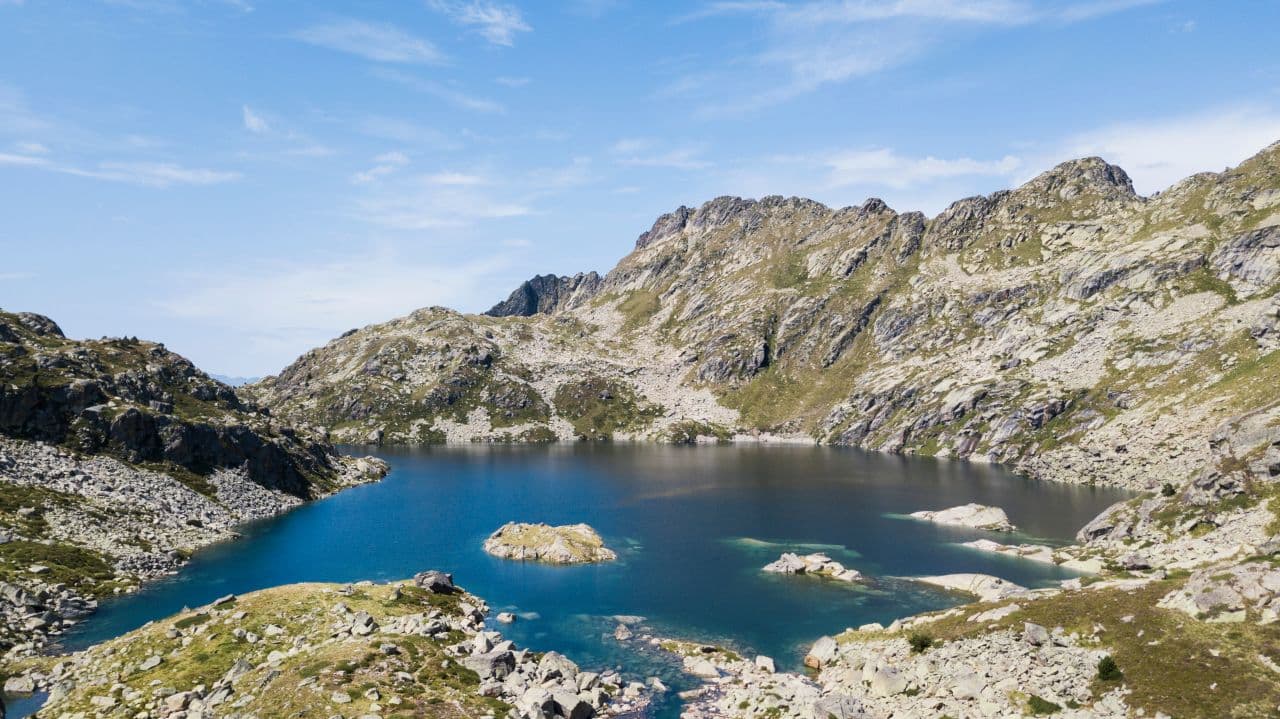
- Day 1: access via Vall d’Incles and hike up to the mountain hut.
- Day 2: sunrise in the lake area and return.
It’s more alpine, more photogenic, and more demanding.
Advanced option: Comapedrosa
- Day 1: hike up to the mountain hut.
- Day 2: ascent to the summit if conditions allow, followed by the descent.
Perfect if you’re looking for adventure, but I wouldn’t choose it as your first night in the mountains.
To locate each area within the country, check the guide to Andorra destinations and organize the logistics by parish.
Combina la montaña con una noche cómoda
Do you want to combine a night in the mountains with a comfortable stay before or after the route? Plan your trip to Andorra with our guides and check out the best options for sleeping in the valley.
Frequently Asked Questions
You may be interested in
Most read