In this article
- What spring is like in Andorra
- Week-by-week natural calendar
- Where to see flowers of the Andorran Pyrenees
- Sorteny Valley Natural Park
- Incles Valley
- Madriu-Perafita-Claror Valley
- Comapedrosa and high mountains
- Wildlife in spring: what you can see and how to observe it
- Weather in Andorra in June and spring
- Practical plan for a spring getaway
- If you have one day
- If you have a weekend
- If you travel with children
- Do you want to experience Andorra to the fullest?
- Common mistakes when traveling to Andorra in spring
- Looking for your dream hotel?
- Frequently Asked Questions
The Spring in Andorra doesn't arrive all at once: it gradually ascends from the valley floors to the alpine meadows. Between March and June, the landscape changes every week with the thaw, the first flowers of the Andorran Pyrenees, increased wildlife activity, and routes opening up according to altitude. In this guide, you'll find a practical natural calendar to know what to see, when to go, and how to plan your spring getaway.
Andorra is a high-mountain destination with a Mediterranean mountain climate, so spring can combine sun, rain, cold nights, and persistent snow at high altitudes.
What spring is like in Andorra
Andorran spring is a transitional season. In the lower valleys, such as Andorra la Vella, Escaldes-Engordany or Sant Julià de Lòria, the green appears earlier; however, in high areas like Sorteny, Incles, Comapedrosa or the accesses to mountain lakes, the thaw can extend until June.
This explains why two travelers can experience very different springs on the same weekend: one might walk through green meadows in mid-morning, and another might find snow on shady slopes or high passes in the afternoon. Snow appears in the high mountains around November and can remain until early June, especially at high elevations.
The key to enjoying it is to think by altitude, not just by month. In April, it's advisable to prioritize low routes and accessible viewpoints; in May, the mid-mountains gain strength; and in June, valleys like Incles, Sorteny, or Madriu begin to shine, always checking the terrain conditions.
Week-by-week natural calendar
This calendar is indicative and may vary depending on snow, rain, and temperatures each year. Nevertheless, it serves as a practical guide to decide when to travel if you are looking for flowers, wildlife, green landscapes, or mountain routes.
Approximate week | What happens in nature | Best plan |
End of March | First contrast between milder valleys and still wintry mountains | Urban walks, viewpoints, and low-altitude routes |
1st week of April | Buds in sunny areas and rivers with higher flow | Easy walks near villages |
2nd week of April | Mid-mountain forests begin to change color | Landscape photography and short routes |
3rd week of April | Greener meadows in valley bottoms | Quiet getaway without crowds |
4th week of April | Visible thaw in torrents and ravines | Low-difficulty routes and viewpoints |
1st week of May | More flowers in meadows and along roadsides | Nature walks and bird watching |
2nd week of May | Mid-mountains more stable, though muddy in shady areas | Incles Valley, Rec del Solà, or family paths |
3rd week of May | Increased wildlife activity at dawn and dusk | Binoculars, silence, and early routes |
4th week of May | Intense green landscape in valleys and forests | Weekend getaways |
1st week of June | In Incles, with the snow already melted, one of the best times to visit begins | Family routes and valley photography |
2nd week of June | More accessible alpine meadows, depending on terrain conditions | Sorteny, Incles, and mid-altitude lakes |
3rd week of June | Clear transition to mountain summer | Longer routes, always checking the weather |
The Incles valley is a good example of this calendar: In June, with the snow already melted, one of the best times to visit begins, while spring allows you to see nature awakening.
Where to see flowers of the Andorran Pyrenees
Sorteny Valley Natural Park
If you're looking for flowers of the Andorran Pyrenees, Sorteny should be on your list. It is one of the areas with the greatest biological richness in the country and is part of the Ordino Biosphere Reserve. The Canya de la Rabassa to Pla de Sorteny itinerary passes through a botanical garden with about 300 species of native plants.
My local recommendation: don't go to Sorteny with a “check off a route” mentality. Go slowly. In spring, the interest lies in the details: small plants, moisture at the edges, color changes in the forest, and the sound of the river accompanying the path.
Incles Valley
The Incles valley is one of Andorra's most rewarding landscapes in late spring and June. Its Obac path is easy, family-friendly, and follows the river's course, with panels about old trades. In this area, you can observe plant species such as black pine, wild rowan, and sneezewort, as well as water-related fauna like trout and common frogs.
It's an especially good option if you're looking for a first natural experience without yet embarking on long high mountain routes.
Madriu-Perafita-Claror Valley
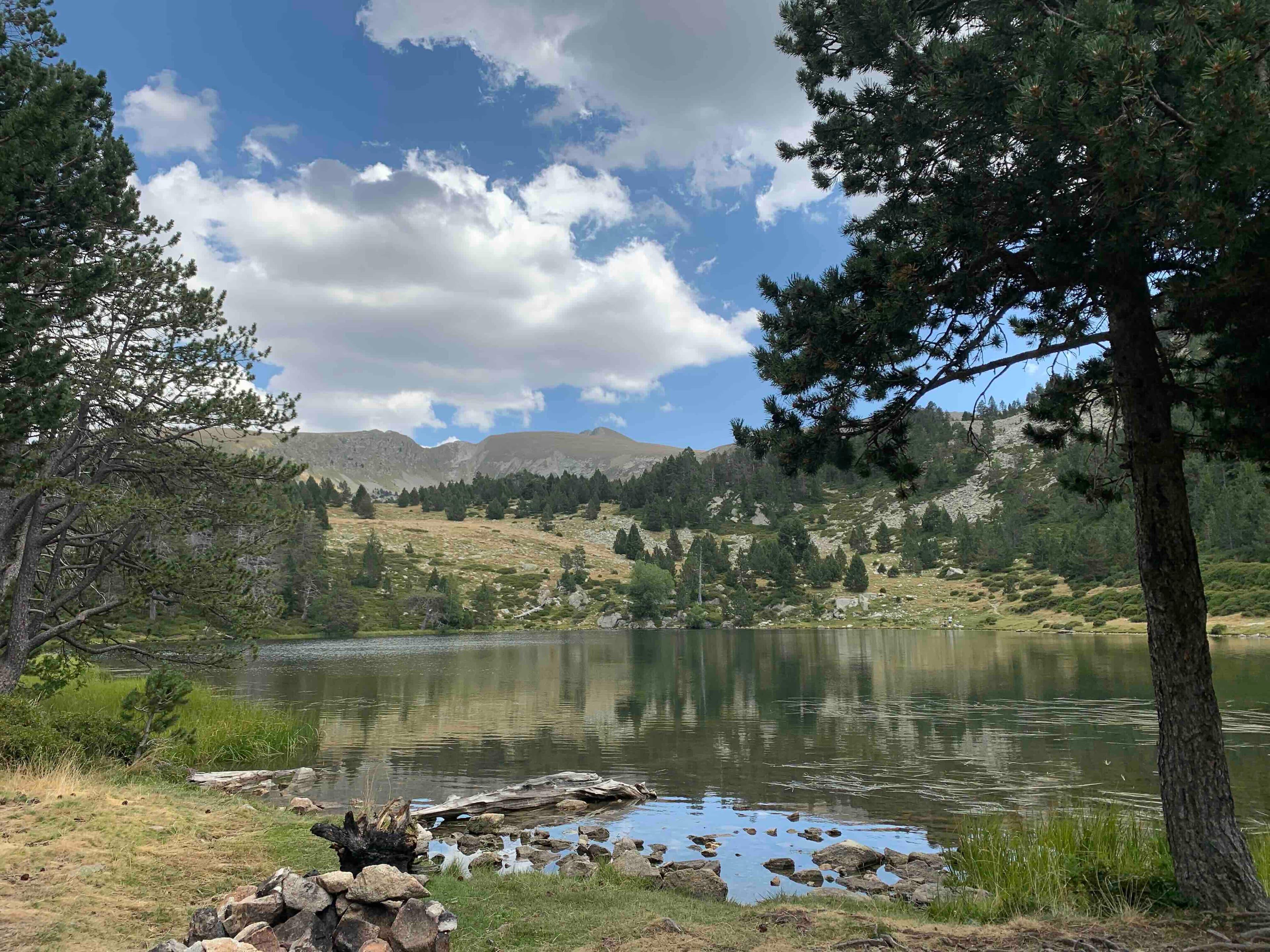
The Madriu is in another league: landscape, culture, and pure mountain. UNESCO recognizes it as a cultural landscape and highlights its value as an example of how the inhabitants of the high Pyrenees have historically utilized mountain resources.
In spring, the Madriu has a more sober beauty than other valleys: cobbled paths, bordas (traditional huts), forests, water, and a sense of isolation that is appreciated when you're looking for a less obvious Andorra.
Comapedrosa and high mountains
The Comapedrosa Natural Park concentrates high mountain landscapes, forests, lakes, and waterfalls. Comapedrosa peak, at 2,943 meters, is the highest in the country and gives the park its name.
In spring, it's not advisable to rush into high-altitude routes. For ascents or itineraries above 1,700 meters, we recommend, for safety, undertaking them preferably from late June to late September, although some routes may extend from May to October if weather and terrain permit.
Wildlife in spring: what you can see and how to observe it
Spring is a good time to observe wildlife, but it requires patience and distance. The best times are usually early morning and late afternoon, when the mountain is quieter.
In the Madriu-Perafita-Claror valley, species such as chamois, roe deer, mouflon, wild boar, foxes, marmots, martens, and squirrels are found. In valleys with rivers and wet areas, like Incles, it's also worth looking for water-associated life, especially amphibians and fish.
Insider tip: if you want to see wildlife, avoid walking and talking loudly, don't play music, and don't try to get close. In Andorra, often the reward is not a perfect photo, but detecting movement on a hillside, hearing a bird, or seeing tracks in fresh mud.
Weather in Andorra in June and spring
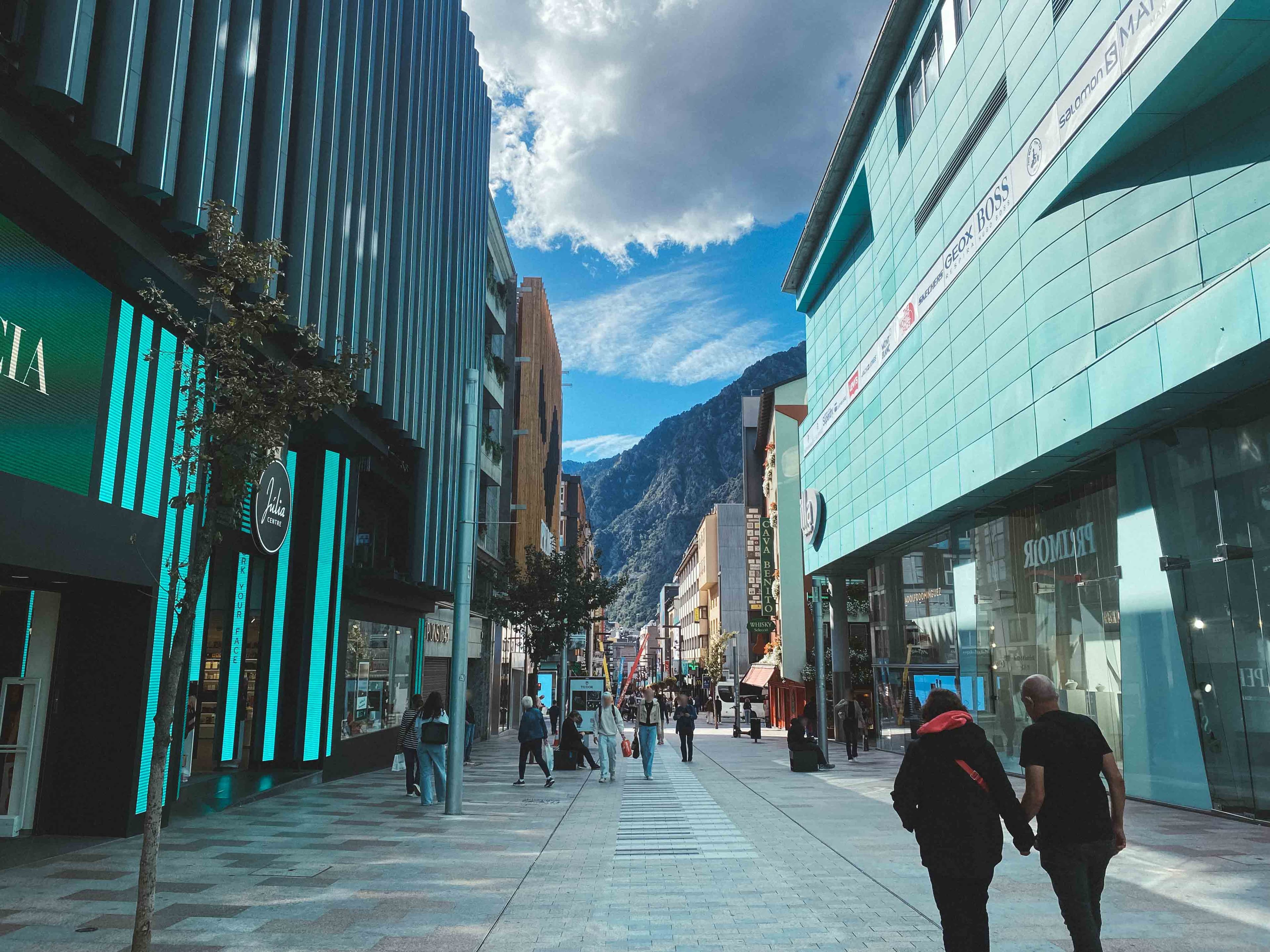
The weather in Andorra in June is usually much milder than in March or April, but it is still mountain climate. We define the country's climate as high-mountain Mediterranean, with a strong thermal gradient due to the orography and the orientation of the valleys. It also indicates that the hottest period runs from June to September, with an average temperature of about 20 ºC.
That doesn't mean June is “pure summer.” At high altitudes, snow may remain at the beginning of the month, afternoons can bring rapid changes, and nights are still cool. For a spring getaway, my basic backpack would be: breathable t-shirt, light fleece, waterproof jacket, shoes with good soles, water, sunglasses, and something warm if you're going to higher altitudes.
Before any route, check the weather forecast and adapt your plan. Andorra is small in kilometers, but very large in elevation gain.
Practical plan for a spring getaway
If you have one day
Start with a low or medium-altitude route, such as Rec del Solà, the surroundings of Engolasters, or a walk through Incles if the valley conditions are good. Afterward, go down to eat or rest in an urban area and save the afternoon for a viewpoint, a cultural visit, or a gentle activity.
To continue organizing your trip, you can consult the Plan section and complete your getaway with ideas of what to do in Andorra.
If you have a weekend
Dedicate the first day to an accessible valley and the second to a more specific natural area, such as Sorteny, Madriu, or Incles. If you travel in May or June, try to reserve the morning for nature and the afternoon for rest, gastronomy, or shopping. The spring light in the late afternoon is usually beautiful in high villages like Ordino, Canillo, or La Massana.
To choose a base area, check the destinations section in Andorra and, if you need accommodation, use only the Andorra.com accommodation page. Andorra.com also centralizes nature, culture, and relaxation experiences in its experiences section.
If you travel with children
Choose short routes, with water nearby and little elevation gain. The Obac path in Incles, some sections of Engolasters, or interpretive trails are better than an ambitious hike. Spring is ideal for teaching observation: small flowers, tracks, insects, birds, and color changes.
Do you want to experience Andorra to the fullest?
Common mistakes when traveling to Andorra in spring
Thinking that June is always summer. June can be excellent, but in the mountains there are still sudden changes and residual snow at high altitudes.
Choosing routes by photo, not by altitude. An image of an alpine lake might be from August. In May, that same access might have mud, snow, or delicate sections.
Not checking the weather on the same day. In Andorra, the weekly forecast helps, but the final decision should be made on the morning of the route.
Going too fast. Andorran spring is best enjoyed by walking slowly. Flowers, animal tracks, and landscape details don't appear if you only focus on the elevation gain.
Not booking a base logically. For spring nature, Ordino, La Massana, Canillo, Encamp, or Escaldes can work depending on the type of route. The choice depends more on the daily plan than on the general map.
Looking for your dream hotel?
Frequently Asked Questions
You may be interested in
Most read