In this article
- What is Coll de la Botella?
- The sculpture «Storm in a Teacup»
- What can be seen from the viewpoint
- How to get to Coll de la Botella
- Hiking routes from Coll de la Botella
- Route to Alt de la Capa (100 Peaks)
- Circular route to Pic de Port Negre and Bordes de Setúria
- Easy route to the viewpoint: access on foot from Pal
- For cyclists
- Astrotourism: Coll de la Botella by night
- What else to do in La Massana near Coll de la Botella
- When to go: the best time to visit the viewpoint
- Practical tips and mistakes to avoid
- Where to stay near Coll de la Botella
- Frequently asked questions
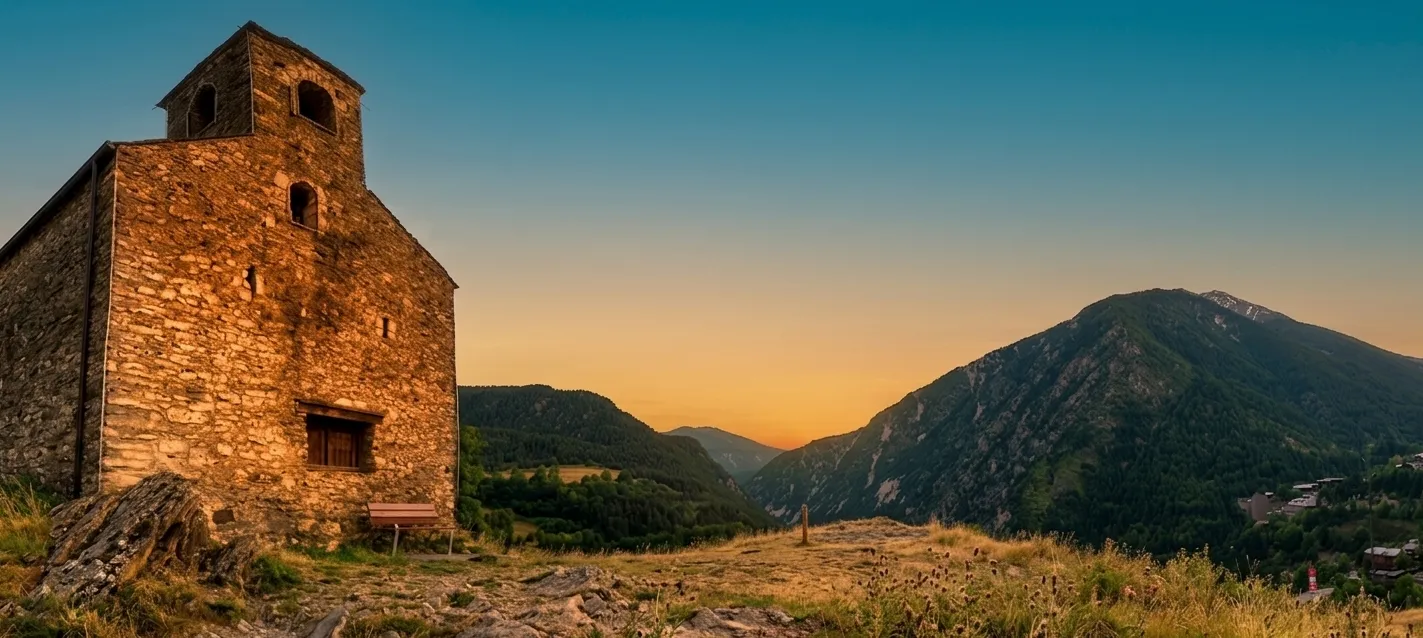
If there's a corner of Andorra that stops you in your tracks the first time you see it, it's Coll de la Botella. At over 2,000 meters of altitude, in the parish of La Massana, this viewpoint offers one of the widest and most surprising panoramas in the entire Principality. And the best part: it's directly accessible from the road, without needing to put on hiking boots to enjoy it. In this article, I'll tell you everything you need to know to visit it, get there without complications, and make the most of what surrounds this special spot.
What is Coll de la Botella?
Coll de la Botella is a mountain pass located in the parish of La Massana, in northwestern Andorra. With an altitude of around 2,073 meters above sea level —some sources place it between 2,064 and 2,073 m—, it is one of the most visited high points in the country, and it's no coincidence: access is easy, the road is paved all the way to the viewpoint itself, and there is parking available.
The word "coll" means "mountain pass" or "mountain port" in Catalan, the official language of Andorra. It is called Coll de la Botella because historically it was the crossing point between the Andorran valley of La Massana and the valleys of Catalan Pallars Sobirà. A pass with centuries of history behind it, used by shepherds, smugglers, and travelers of all kinds.
Today, Coll de la Botella has become an essential stop for both visitors and residents looking for a moment of silence and perspective just a few minutes from anywhere in the country.
The sculpture «Storm in a Teacup»
When you arrive at Coll de la Botella, the first thing you encounter is a monumental metal sculpture that you wouldn't expect to find at over 2,000 meters of altitude. It is called Tormenta en una taza de té (Storm in a Teacup) and was created by the American artist Dennis Oppenheim.
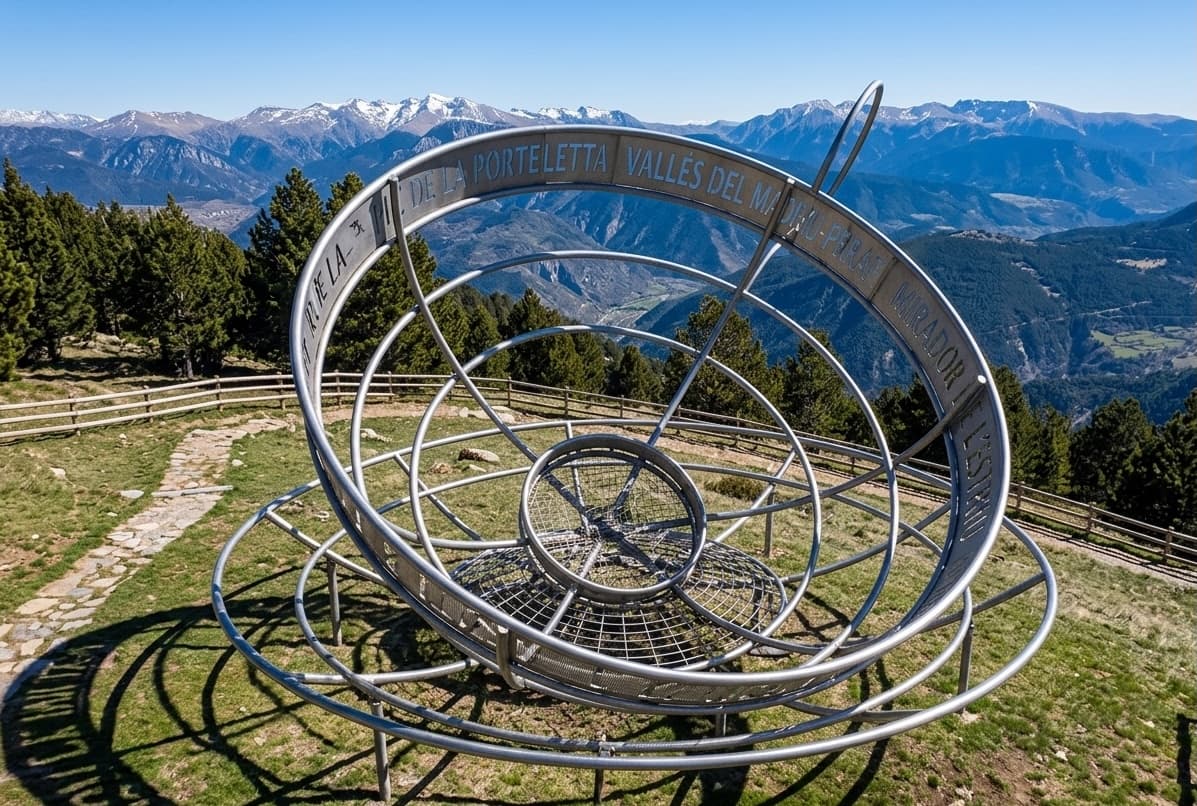
The work, 13 meters high, was inaugurated in 1991 to commemorate the 25th anniversary of the Andorran Social Security Fund (CASS). Made of iron —some sources specify stainless steel—, it represents a cup and saucer in apparent precarious balance. Oppenheim's proposed metaphor is ingenious: what appears to be a colossal storm up close becomes insignificant when viewed in a larger context. Coll de la Botella, precisely, offers that context: a horizon so vast that any problem seems to shrink.
The sculpture has been integrated into the Andorran Pyrenean landscape for over three decades and has become one of the benchmarks of outdoor contemporary art in the Principality. It is also one of the most photographed spots in all of La Massana.
What can be seen from the viewpoint
The panoramic view from Coll de la Botella is one that stays with you. From here, looking towards the valley, the villages of Pal, Erts, and Arinsal, all belonging to the parish of La Massana, are clearly distinguishable.
If you extend your gaze towards the horizon, you can see the Sorteny Valley Natural Park, in the neighboring parish of Ordino, and the Comapedrosa Valleys Natural Park, where the highest peak of the Principality is located. On the other side of the road, the landscape changes: the Solanyó ravine, the Setúria valley and, if the day is clear, some peaks on the Spanish side such as those of Os de Civís and Tor, in the Catalan Pallars Sobirà.
On days of excellent visibility —something frequent in Andorra— it is said that the view is practically 360 degrees. It's no exaggeration.
An information sign in the parking lot helps identify the peaks and valleys visible from the viewpoint, which is very useful if you are not familiar with the local geography.
How to get to Coll de la Botella
Access to the viewpoint is easy and well-signposted. The road route is as follows:
From Andorra la Vella:
- Take the CG-3 towards La Massana
- From La Massana, continue on the CG-4 towards Pal (passing through Erts and Xixerella)
- After passing the village of Pal and the Vallnord ski slopes, continue ascending on the CG-4
- The viewpoint is at kilometer mark 13.3 of the CG-4, with a large paved parking area
The journey from Andorra la Vella is approximately 17.5 km with an accumulated elevation gain of about 1,060 meters. By car, the ascent takes between 20 and 30 minutes depending on traffic. From La Massana, the distance is considerably reduced.
Parking: There is a large paved area directly at the viewpoint, with capacity for normal vehicles and also for motorhomes during the enabled season. Grandvalira manages a specific parking lot at Coll de la Botella with about 20 spaces.
Is there public transport? There is no bus line that goes directly to Coll de la Botella. The closest option is the bus to La Massana or Pal, from where the journey would have to be completed on foot or by bicycle.
In winter, the road may be closed due to snow or ice beyond the viewpoint. In winter season always carry chains or snow tires, and check the road conditions before leaving. The 24-hour telephone number for the Andorra Mobility Agency (Traffic) is +376 1802 1802. The road to the viewpoint is usually kept open, although the section towards Port de Cabús may be closed.
Hiking routes from Coll de la Botella
Coll de la Botella is not just a viewpoint you drive to, take a photo, and leave. For those who want to stretch their legs or experience something more, the surroundings offer routes for all levels.
Route to Alt de la Capa (100 Peaks)
One of the most popular ascents from Coll de la Botella leads to Pic Alt de la Capa, a peak that is part of the list of 100 Peaks of Catalonia. It is a demanding route, with steep sections and scree, but the panorama from the top justifies the effort. It starts directly from the viewpoint's parking lot. Bring technical footwear and water.
Circular route to Pic de Port Negre and Bordes de Setúria
For experienced hikers, there is a circular route that ascends from Coll de la Botella towards Pic de Port Negre, circles the ridge and descends towards Bordes de Setúria before returning to Pal. In total, it's around 13 km with over 1,000 meters of positive elevation gain. A full day in the Andorran high mountains.
Easy route to the viewpoint: access on foot from Pal
If you prefer to arrive walking from the village of Pal, there is a short, accessible route of low difficulty that goes directly up to Coll de la Botella. It is ideal for families or for those who want to combine a visit to Pal's historic center with the viewpoint. The walking distance from Pal is short, although with a constant incline.
For cyclists
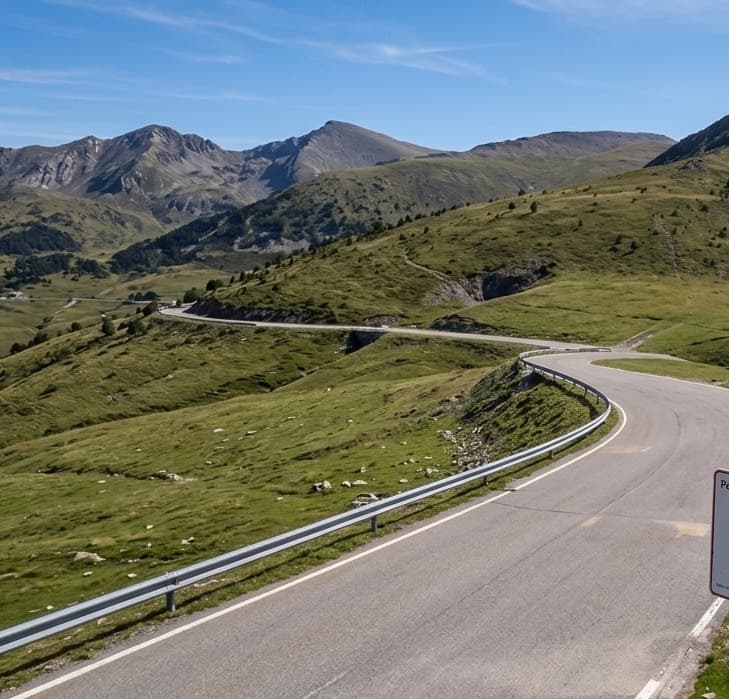
Coll de la Botella is also a classic among cyclists. Starting from Andorra la Vella, the ascent has 17.5 km and an elevation gain of 1,061 meters, with an average gradient of 6.1%. From the town of Erts, the gradient becomes more constant. In the section between km 10 and 11, the average exceeds 8%. It is a serious climb, categorized as high category. Once at the pass, the most daring continue the additional 3 km to Port de Cabús (2,306 m), right on the border with Spain.
Astrotourism: Coll de la Botella by night
Few know that Coll de la Botella is also one of Andorra's best spots for astronomical observation. And Andorra, it must be said, has a sky that hardly exists in Europe anymore: little light pollution, high altitude, with clear nights.
In 2023, La Massana received the Starlight double certification —as a tourist destination and reserve— recognizing the exceptional quality of its night sky. Coll de la Botella is one of the celestial viewpoints enabled as an astronomical observation point. The 360° view that offers mountain scenery during the day, opens a direct window to the Milky Way at night.
From here, night hiking experiences combined with telescope stargazing are organized. If you're interested, check out the available offer of activities and experiences on Andorra.com, where you'll find guided proposals to enjoy the night sky from La Massana, some departing directly from Coll de la Botella with snowshoes in winter.
What else to do in La Massana near Coll de la Botella
Coll de la Botella is a perfect excuse to discover everything La Massana has to offer. Here are the stops you shouldn't miss:
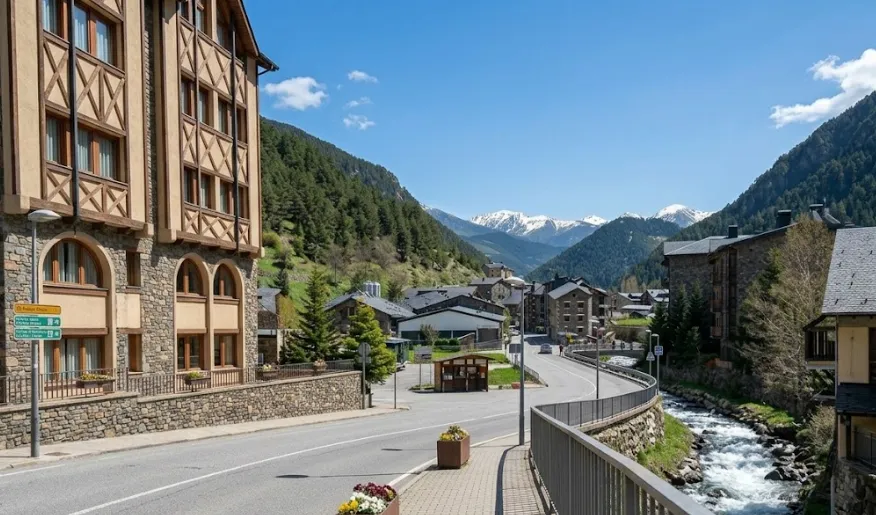
The village of Pal A few minutes from the viewpoint, descending via the CG-4, the village of Pal is one of the best-preserved in the entire Principality, declared a heritage site of cultural interest. Its stone streets, the Romanesque church of Sant Climent de Pal and the tranquility of the place make it a mandatory stop before or after ascending to the viewpoint.
The Forest of the Menairons Also near Pal, this themed route is perfect for children. Through a short walk in the forest, the little ones discover the menairons, magical beings from Andorran folklore. A classic in La Massana for a family visit.
Vallnord Pal-Arinsal The ski resort operates all year round. In winter, skiing and snowboarding. In summer, the Bike Park of Vallnord becomes one of the most important in the Pyrenees, with 29 circuits and 40 km of descent with elevation drops exceeding 1,000 meters.
The Comapedrosa Valleys Natural Park The most important protected area in La Massana. High mountain routes, glacial lakes, the Comapedrosa refuge at 2,260 meters, and the highest peak in Andorra (2,942-2,943 m). For those seeking real mountains.
You can explore more about what to do in Andorra in our activities and experiences guide and discover everything La Massana has to offer as a destination.
When to go: the best time to visit the viewpoint
Coll de la Botella can be visited all year round, although each season offers a different experience:
Spring (May-June): The landscape turns green and alpine flowers appear as the snow recedes. The views are especially clear and there are few tourists. The road is usually open, although there may be occasional snow well into May.
Summer (July-August): The busiest time. The views are splendid, days are long, and access is guaranteed. Perfect for combining with hiking or cycling. The heat at the viewpoint is mild thanks to the altitude.
Autumn (September-October): For many, the most beautiful season. The colors of the forest in the valleys surrounding Coll de la Botella are extraordinary. The atmosphere is calmer than in summer, and temperatures remain pleasant during the day.
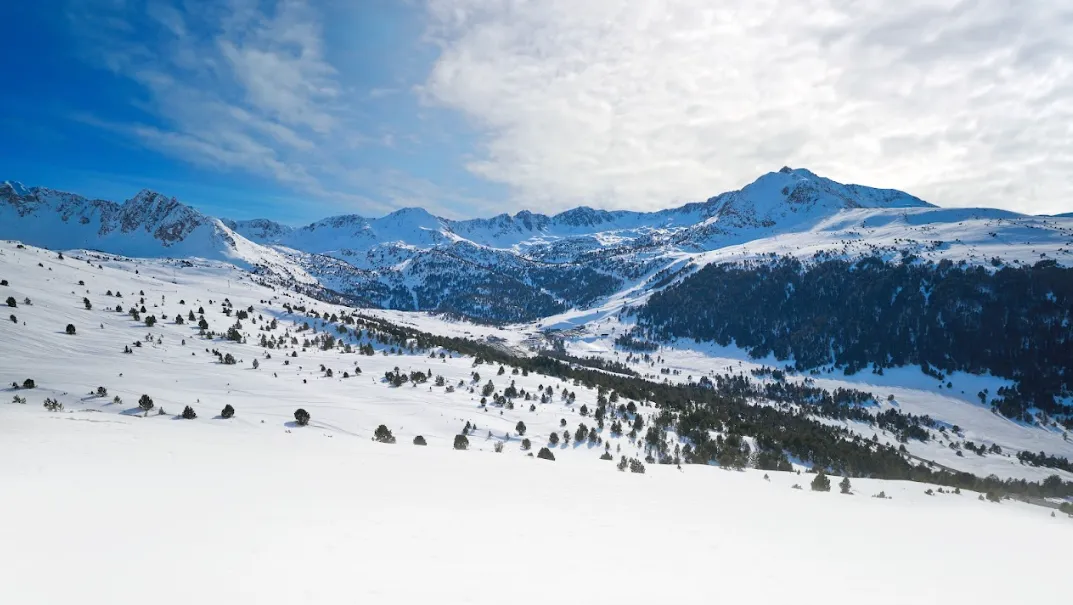
Winter (December-March): If you come with snow, the sculpture wrapped in a white blanket and the snowy mountains around it is an unforgettable sight. However, road conditions can complicate access. It is essential to check the road status and carry winter equipment in the car. During this time, snowshoe routes from the viewpoint are one of La Massana's most popular experiences.
Practical tips and mistakes to avoid
Living near Coll de la Botella teaches you things that no tourist guide usually tells you. Here are the most important ones:
What you should do:
- Arrive early in the morning to avoid direct sunlight in photos and find free parking
- Bring warm clothing even in summer: at over 2,000 meters, wind and cold can surprise you at any time
- Bring water, even if the stop is short
- Check road conditions in winter before leaving (especially if you want to go up to Port de Cabús)
- Use the viewpoint's information sign to orient yourself in the landscape and identify peaks and valleys
Common mistakes to avoid:
- Not checking the weather: mountain weather changes quickly, and what looks like a sunny day below can be fog or strong wind above
- Trying to drive beyond the viewpoint without checking if the road is open: in winter, the section towards Port de Cabús may be closed due to snow or avalanche risk
- Leaving without chains in winter: although the asphalt up to the viewpoint is usually clear, conditions can change from day to day
- Staying only in the parking lot: the surroundings invite you to walk at least a few minutes and change your viewing angle; the perspectives from the edges of the pass are different and even more impressive
- Going alone on high mountain routes without experience or adequate equipment: ascents to peaks like Alt de la Capa require physical and technical preparation
Where to stay near Coll de la Botella
To make the most of Coll de la Botella —especially if you want to see it at sunrise or do a long route from there—, it's best to stay in La Massana or its nearby villages: Pal, Arinsal, or Erts.
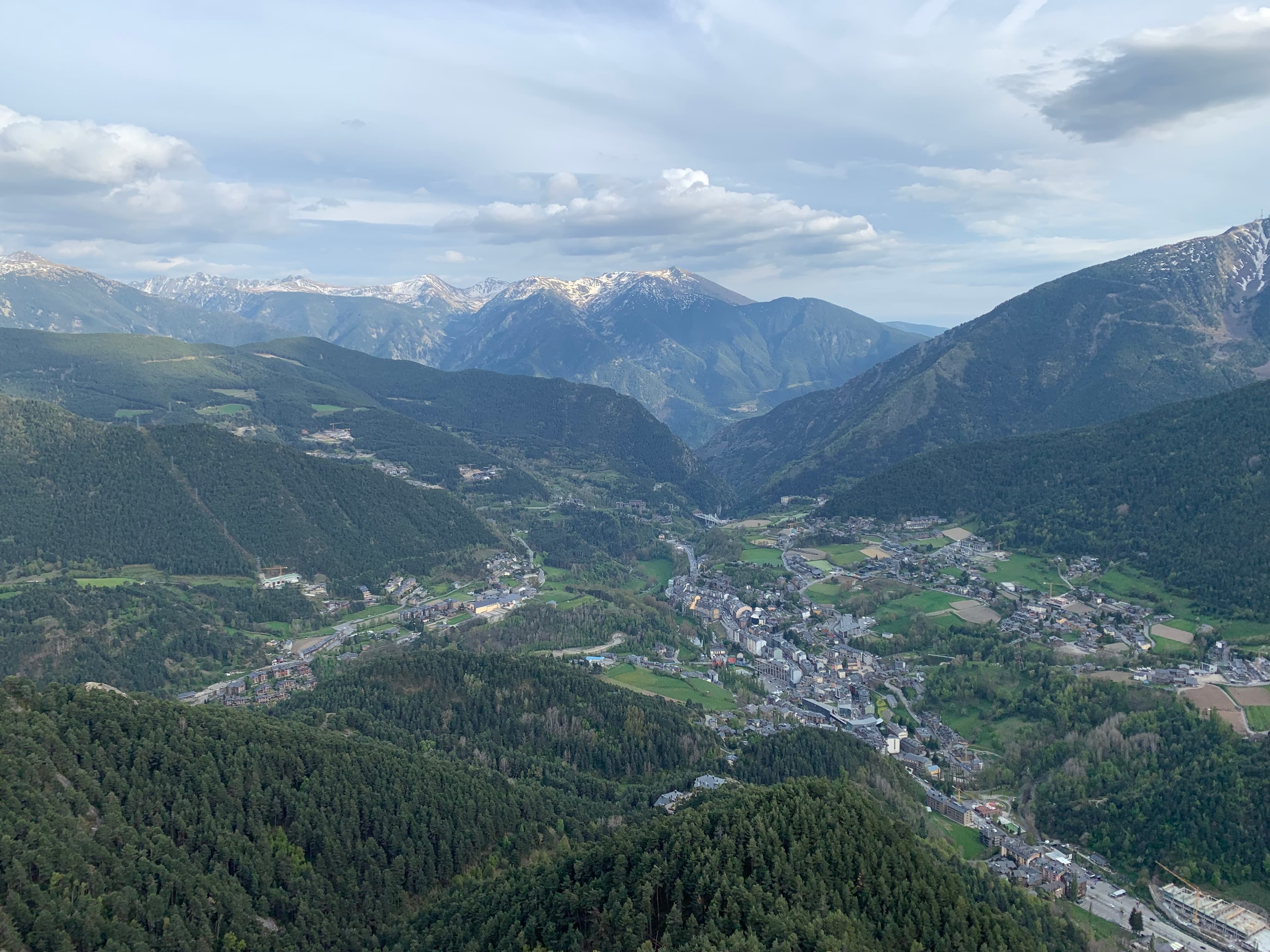
The parish of La Massana has a very varied accommodation offer, from mountain hotels with all amenities to apartments with mountain views. You can consult and book the best options directly in our Accommodations section, where you'll find all available offers with updated prices.
If you plan to visit the viewpoint during ski season, book in advance: accommodations near Vallnord fill up quickly in winter.
Frequently asked questions
You may be interested in