What to do
Andorra Museums in Summer 2026: complete guide with opening hours and prices
May 19, 2026
Updated on September 16, 2026
#Culture and Museums#Other activities#What to see in Andorra
In this article36 sections
Andorra has many more museums than you imagine. In just 468 km², the Principality hides more than 20 museum spaces spread across all its parishes, ranging from 17th-century stately homes to state-of-the-art museums with virtual reality. If you are planning your visit and want to know what to see beyond the shops and ski slopes, this guide tells you everything: which museums are open in summer 2026, how much it costs to enter, how to save with the PassMuseu, and which ones are truly worth the detour.
Why visit Andorra's museums (and how many there are)
When people think of Andorra, shopping duty-free, skiing in Grandvalira or the thermal baths of Caldea. What few know is that this small Pyrenean state has a surprisingly dense and varied museum network.
The public museum network, managed through museus.ad (official portal of the Government of Andorra), groups national museums, interpretation centers, house museums, and historical monuments distributed across the country's seven parishes. In total, the Principality has more than 20 spaces open to the public, covering everything from medieval Romanesque art to 21st-century cycling culture.
The most interesting aspect is the thematic variety: there are museums of automobiles, bicycles, miniatures, perfume, electricity, sacred art, iron craftsmanship, and postal history, among many others. And prices are very reasonable, with tickets ranging from €2.50 to €7.
For those visiting and wanting to combine culture, nature, and activities in Andorra, museums are the perfect complement for any getaway, especially in summer, when most extend their hours or add special activities.
The PassMuseu: the smartest way to visit museums in Andorra
Before going into detail museum by museum, you should know about the PassMuseu, Andorra's official museum passport.
For just €2.50, the PassMuseu entitles you to a 50% discount on admission to 3 museums to choose from among the museums participating in the program. Each coupon is valid for a different museum, and on each visit, your passport will be stamped to validate the discount. The PassMuseu is valid for one year from the date of purchase.
You can purchase it at any tourist office in the Principality and at the museums themselves. Considering that many tickets cost around €3–5, the savings can be equivalent to or more than the cost of the passport.
Furthermore, it's worth knowing that children under 10 enter for free at all public museums in Andorra. ICOM members, national school students, and, in some museums like Bici Lab, Andorran citizens on the first and third Saturday of each month, people with disabilities, or those arriving by bicycle also have free admission.
Museums in Andorra la Vella
The capital concentrates some of the country's most interesting and accessible museums.
Bici Lab Andorra
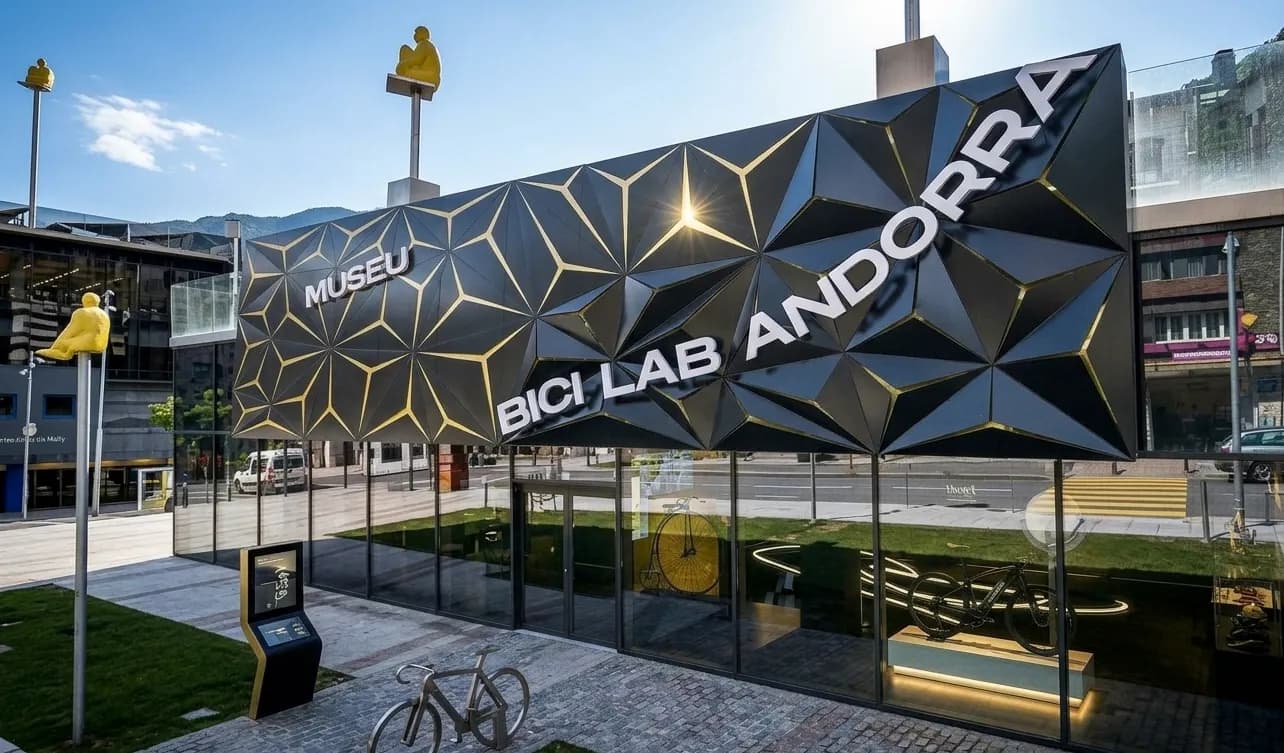
Bici Lab is, without a doubt, the most spectacular museum to have opened in Andorra in recent years. Inaugurated in October 2022, it occupies 1,700 m² in the center of Andorra la Vella (Carrer Prat de la Creu, 68-70, right next to the Consell General and Jaume Plensa's sculptural group 7 Poetes). The permanent collection is based on the Riberaygua family's holdings, considered one of the best private bicycle collections in the world, with over 300 models, about 100 of which are exhibited in rotation.
It's not a conventional museum. There are virtual reality simulators where you can experience the sensation of climbing Coll d'Ordino on a road bike or descending the bike park of Pal. There are workshops for children, cultural activities, and temporary exhibitions that change periodically. And furthermore, the space itself connects the history of cycling with Andorra's identity as a cycling territory.
- Summer opening hours (April–October): Tuesday to Sunday, 10:00 AM–6:00 PM.
- Price: general admission €5, reduced €2.50. Temporary exhibitions are free.
- Free for: children under 10, Andorran citizens (first and third Saturday of the month), people with disabilities, people arriving by bicycle, Carnet Jove holders.
Casa de la Vall
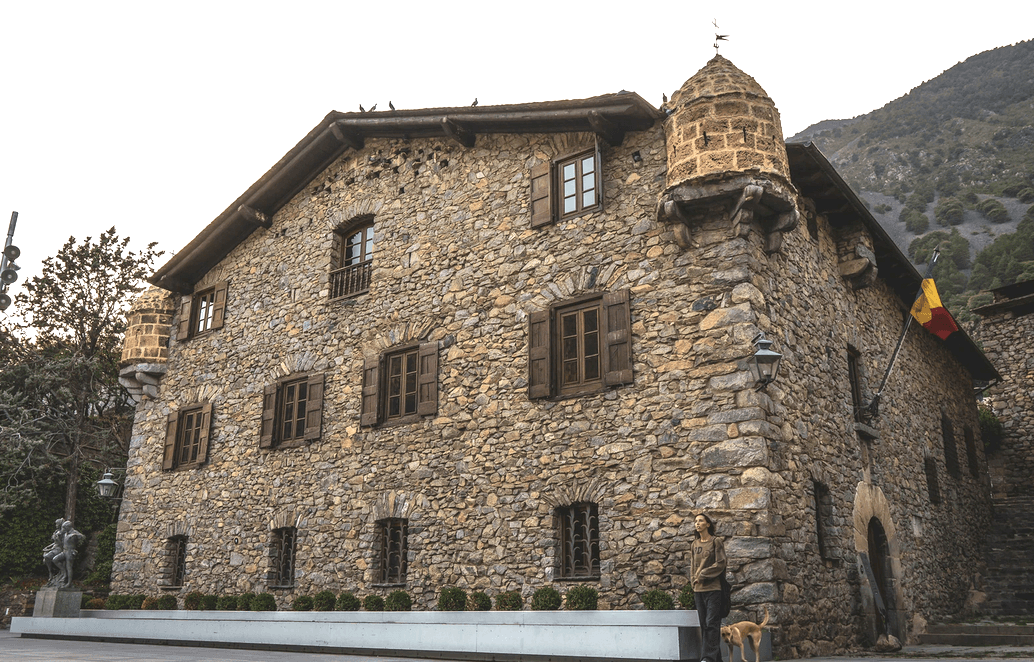
The Casa de la Vall is probably Andorra's most emblematic building. Originally built for the Busquets family in 1580, it was acquired by the former Consell de la Terra in 1702 and became the seat of the Andorran Parliament until 2011. Today it functions as a visitable monument, and its tour takes you through the old Tribunal de Corts and the meeting room of the Consell General, with original furniture and ornamental details that transport you five centuries back in time.
It is a symbol of the country's sovereignty that should not be missed if you are interested in understanding how Andorra was politically constructed.
Espai Columba
A short distance from the center, next to the church of Santa Coloma, the Espai Columba is one of Andorra's most unique museums. Safeguarding 12th-century Romanesque mural paintings is no small task, and here it is done with a first-class museographic setup, in a contemporary building designed by architect Jordi Batlle.

The museum preserves and exhibits the frescoes from the apse of the church of Santa Coloma, which were removed in 1933 and traveled across half of Europe before returning to the Principality. The highlight of the visit is the videomapping of the church itself: a projection that recreates how the temple looked in the 12th century, with its original paintings in full splendor.
- Summer opening hours (July–August): Tuesday to Saturday, 10:00 AM–2:00 PM and 3:00 PM–8:00 PM; Sundays, 10:00 AM–2:00 PM.
- Price: approximately €7 per person (includes museum visit and Santa Coloma videomapping). Adheres to PassMuseu.
Museums in Escaldes-Engordany
The country's most populated parish, adjacent to the capital, also has very interesting cultural offerings.
Escaldes-Engordany Art Center (CAEE)
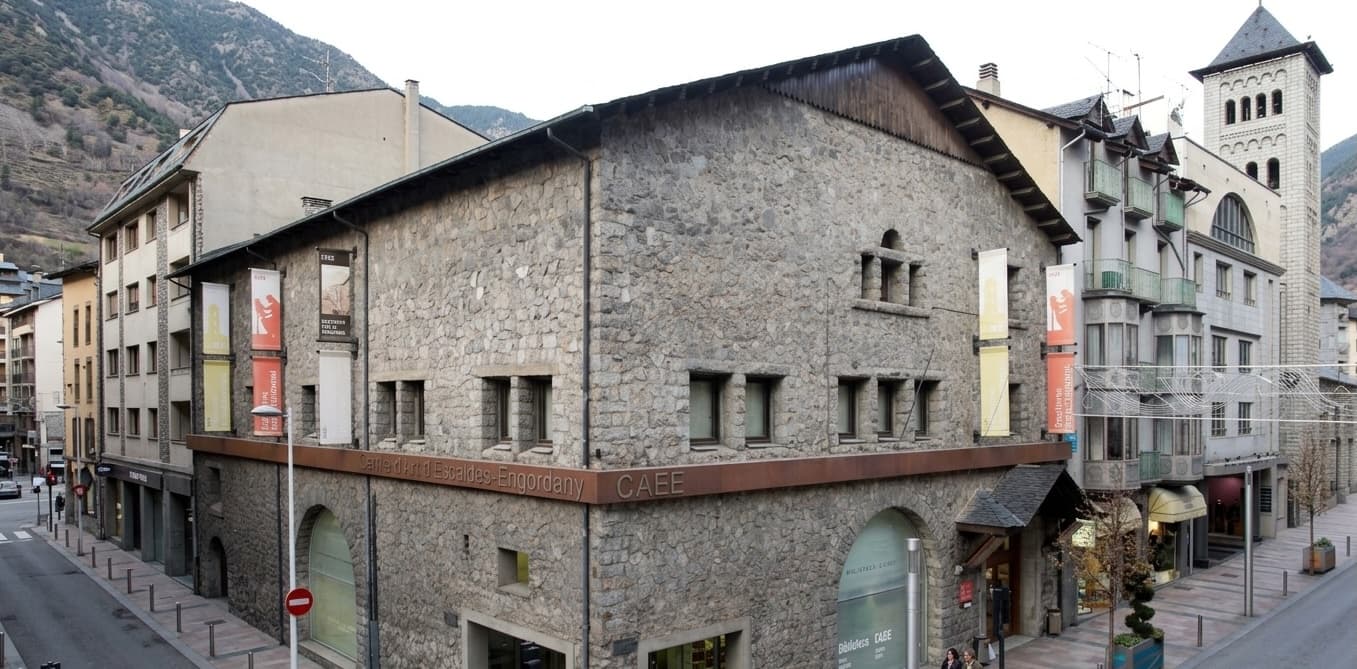
The Escaldes-Engordany Art Center is one of the most recommendable cultural venues in the Principality. It hosts contemporary art exhibitions with an active program throughout the year. If you happen to be there during a temporary exhibition, it's well worth a visit. Admission is usually free or at a very reduced price.
Espai Caldes
Located on the banks of the Valira river, between the medieval bridges of La Tosca and Engordany, the Espai Caldes is the cultural center of the Comú de Escaldes-Engordany. The building itself is already a reason to visit: the riverside setting between medieval bridges is one of the most photogenic spots in the capital. It hosts temporary exhibitions and cultural events throughout the year.
Perfume Museum
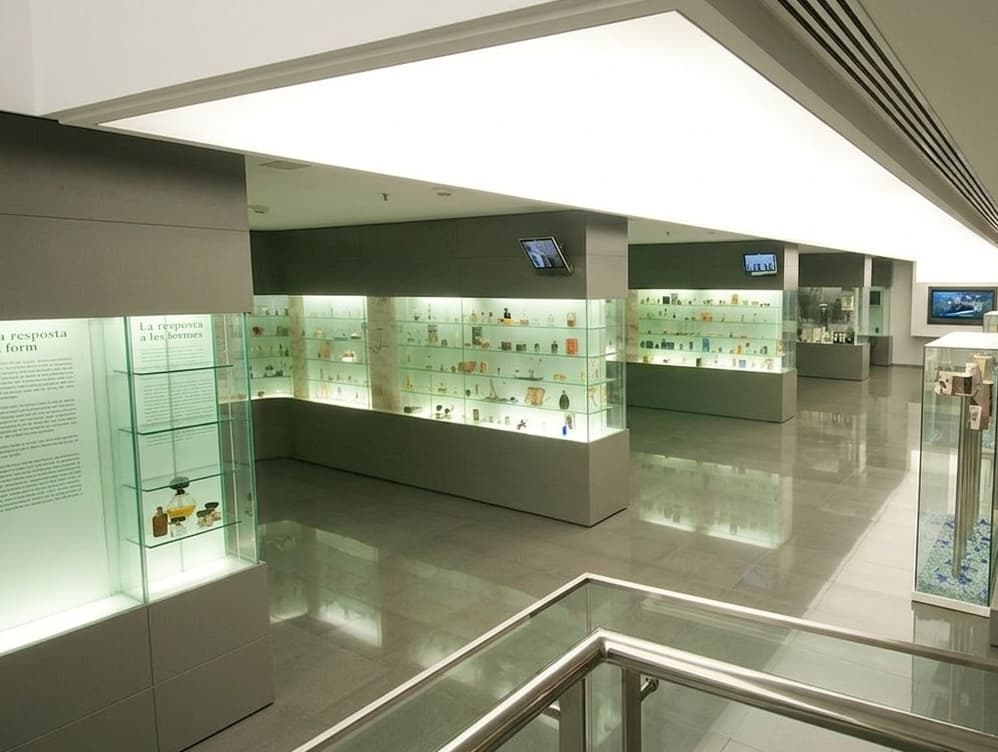
Located on the first floor of the Centro Júlia in Escaldes-Engordany, the Perfume Museum takes you on a sensory journey through the history of fragrances across six distinct spaces. Equipped with audio guides and audiovisual systems, the collection includes over 25,000 pieces, of which more than 1,000 are on display. An unexpected and very pleasant visit for all audiences.
Museums in Ordino
Ordino, along with La Massana, is the parish with the highest density of museums per square kilometer in the entire Principality. It is also, probably, the quietest and most authentic in the country.
Casa d'Areny-Plandolit Museum
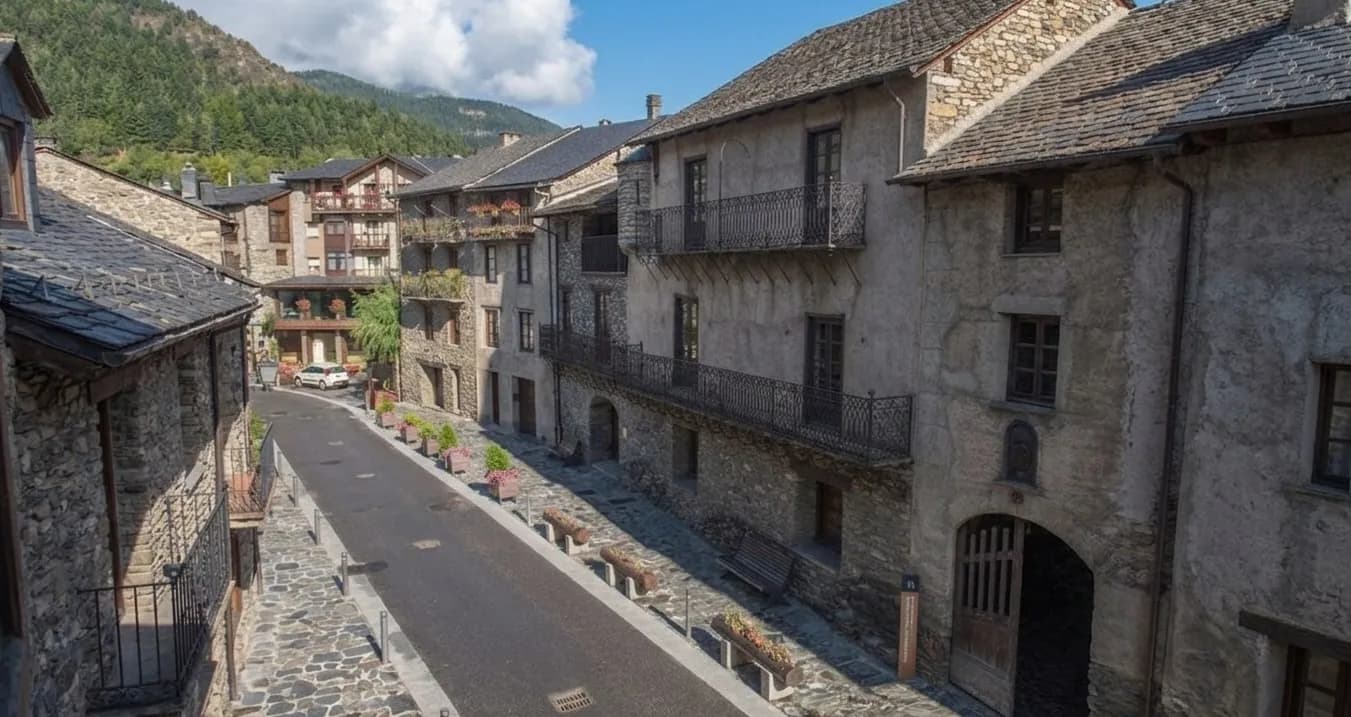
This is the most emblematic museum in Andorra's public network. The house dates back to the 17th century, although most of its structure and content are from the mid-19th century, the period of maximum economic and political splendor for the Areny-Plandolit family, led by Don Guillem de Areny-Plandolit. The visit is surprisingly comprehensive: the original furniture, household items, porcelain dinnerware, and everyday objects are preserved with such fidelity that you feel as if you've just interrupted a 19th-century dinner. It also includes a walk through the estate's gardens.
In 2026, the museum celebrates its 40th anniversary with a special program of activities throughout the year. The modernist festival was already celebrated in March, but more events are planned until December.
- Regular opening hours: Tuesday to Saturday, 9:30 AM–1:30 PM and 3:00 PM–6:30 PM. Sundays and holidays, 10:00 AM–2:00 PM. Closed Mondays.
- Note: the museum closes during the Festa del Roser d'Ordino (July) and the Ordino Major Festival (September).
- Price: from €2.50. Adheres to PassMuseu.
- Phone: +376 836 908
Andorra Postal Museum
Housed in the restored Borda del Raser in Ordino, the Postal Museum explains the history of Andorran postal service through an exhibition that includes the entire philatelic collection since 1928. Given that Andorra has two postal services (Spanish and French), the philatelic uniqueness of the Principality is unique in the world. Stamp lovers will find a truly special space here.
- Regular opening hours: Tuesday to Saturday, 9:30 AM–1:30 PM and 3:00 PM–6:30 PM. Sundays and holidays, 10:00 AM–2:00 PM. Closed Mondays.
- Price: from €2.50.
Miniature Museum
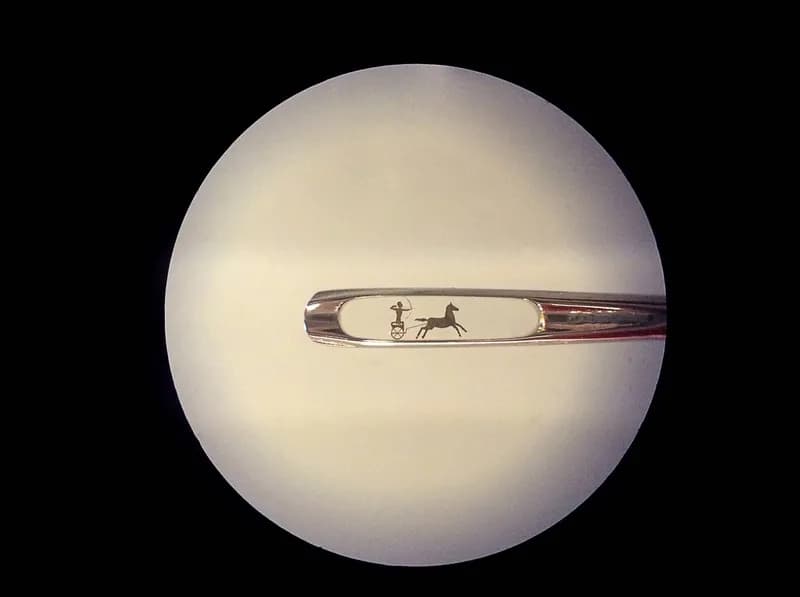
In Ordino there is also the Miniature Museum, dedicated to the work of Ukrainian miniaturist Nikolai Siadristy and Chinese artist Liu Shouben. Their works are handcrafted with materials as diverse as gold, platinum, fruit seeds, or grains of rice. A space that leaves no one indifferent, especially if you go with children or people with artistic sensibility. The level of detail of the pieces—which in many cases can only be seen through a microscope—is genuinely astonishing.
MW Electricity Museum
Less known but very interesting, the Electricity Museum addresses the arrival of electricity in Andorra, a change that radically transformed the country throughout the 20th century. Electricity reached Andorran homes much later than in neighboring countries, making this story a fascinating historical chapter. It features educational experiments and is especially entertaining for family visits.
Ordino Valley Nature Interpretation Center (CINVO)
Located in the Masover house in La Cortinada, CINVO is the entry point to the Ordino valley from an environmental perspective. The 2,104-meter permanent exhibition addresses the formation of the Pyrenees, the climatological phenomena that have shaped the Andorran landscape, and the country's fauna and flora. It is also affiliated with UNESCO as an interpretation center for the Madriu-Perafita-Claror Valley (declared a World Heritage Site).
- Hours: Tuesday to Saturday, 9:30 AM–1:30 PM and 3:30 PM–6:30 PM. Sundays and holidays, 9:00 AM–2:00 PM. Closed Mondays.
Museums in La Massana
La Farga Rossell. Iron Interpretation Center
If you had to choose just one interpretation center in Andorra, I would go with La Farga Rossell. Built between 1842 and 1846, it was one of the last active forges in the Principality, operating until 1876. Today it is a living example of Andorran pre-industrial heritage where demonstrations of the process of transforming ore into iron ingots are still performed, in the style of 19th-century Catalan forging. The atmosphere is impressive: you get a real sense of how iron was worked more than 150 years ago.
It is especially recommended for families with children. The demonstrations are dynamic and very well explained.
Location: parish of La Massana. Affiliated with PassMuseu.
Casa Rull Museum
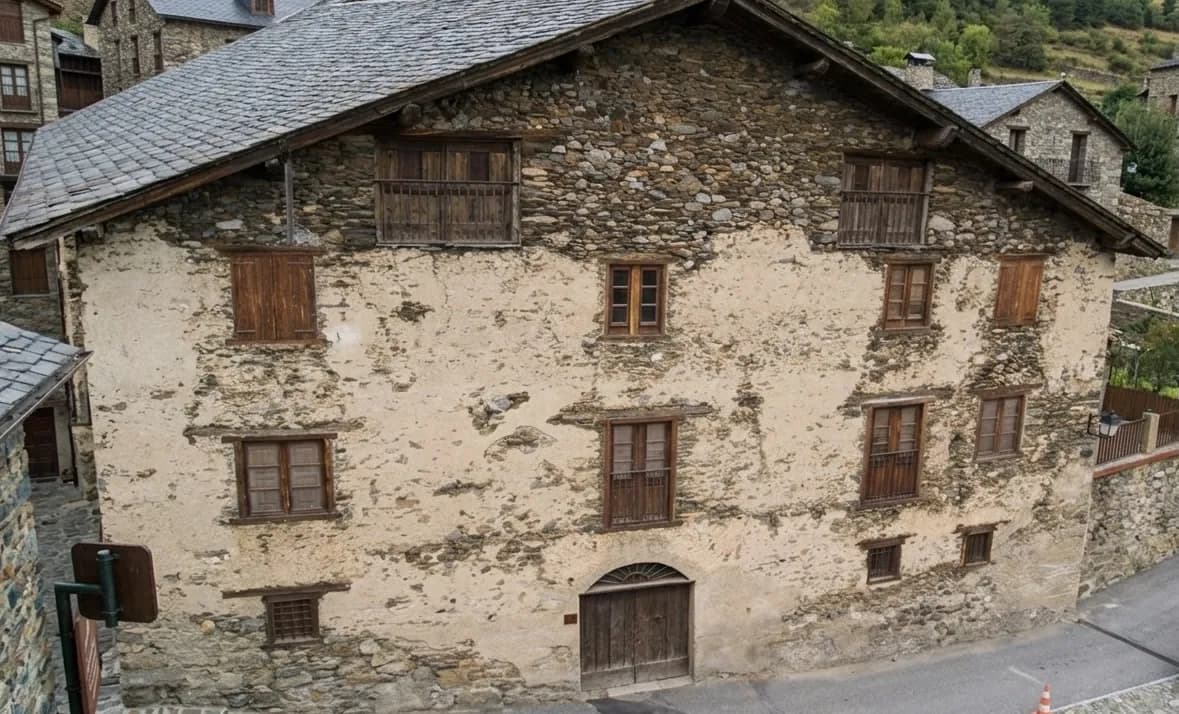
Located in Sispony, Casa Rull is an example of a 17th-century Andorran manor house that shows how a land-owning family lived in the Andorran Pyrenees: the distribution of work among family members, household organization, agricultural tools, and domestic utensils. Without luxury or ostentation, but with an authenticity that speaks directly of traditional Andorran culture.
- Regular hours: Tuesday to Saturday, 9:30 AM–1:30 PM and 3:00 PM–6:30 PM. Sundays and holidays, 10:00 AM–2:00 PM.
- Note: closed on June 24 (Sispony's Main Festival), La Massana's Roser (July), and La Massana's Main Festival (August).
- Price: from €2.50. Affiliated with PassMuseu.
- Phone: +376 836 919
Cal Pal Mill and Sawmill
Two buildings dating from the late 17th and early 18th centuries, restored and opened as a museum space in 1996. The visit includes a demonstration of wood sawing using a hydraulic saw and the process of transforming wheat into flour at the mill. A little-known corner even among the country's residents, but very authentic.
Museums in Encamp
National Automobile Museum
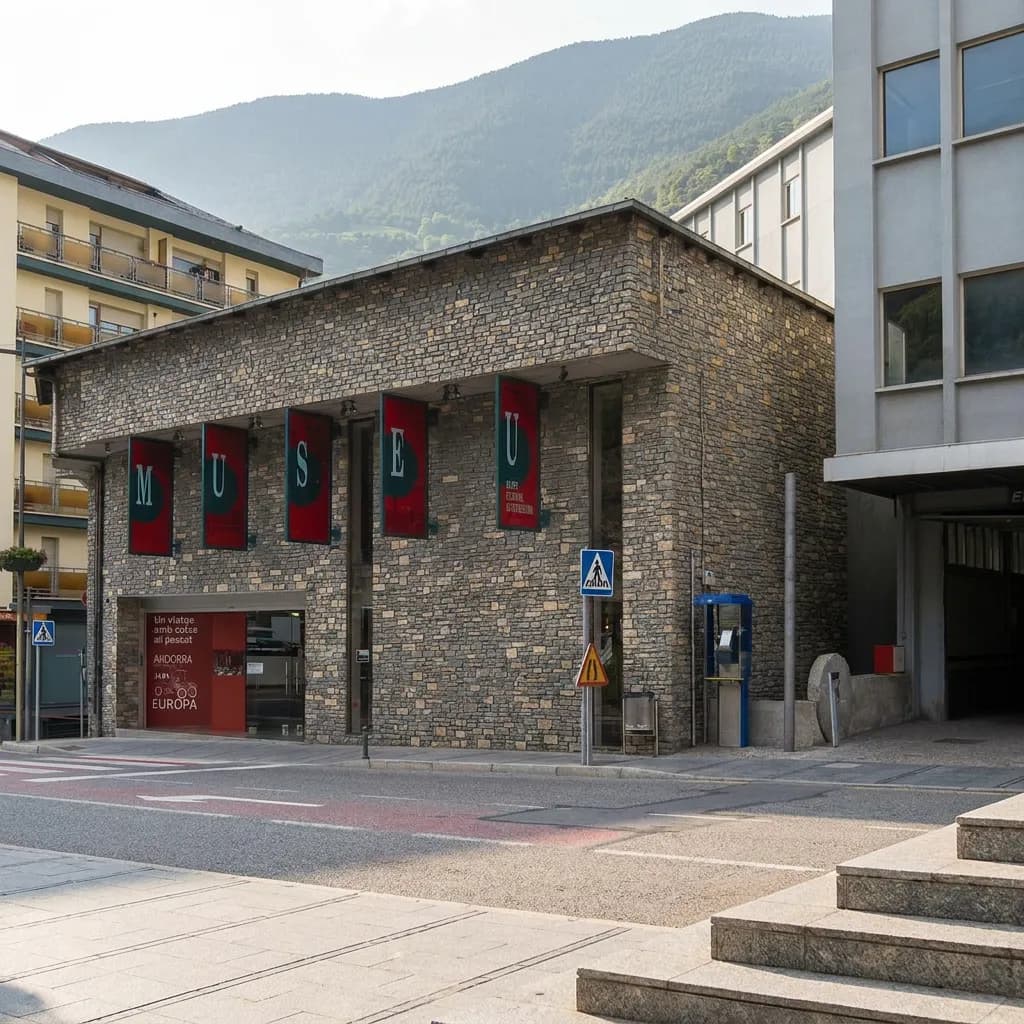
The National Automobile Museum of Encamp is a must-visit for motor enthusiasts. Considered one of Europe's most important collections of its kind, it traces the evolution of the automobile from the first vehicles of the late 19th century to classic models of the 1950s, including cult sports cars. The collection originated privately — stemming from the passion of the Riberaygua family, who are also behind Bici Lab — and was donated to the State for public management.
- Regular hours: Tuesday to Saturday, 9:30 AM–1:30 PM and 3:00 PM–6:00 PM. Sundays and holidays, 10:00 AM–2:00 PM. Closed Mondays.
- Note: remains closed on Carnival Tuesday (February) and Main Festival Sunday (August).
- Price: from €4 (groups, seniors, students with reduced rates). Free for ICOM members and national schools.
- Address: Avda. Copríncep Episcopal, 64, Encamp.
- Phone: +376 832 266
Casa Cristo Ethnographic Museum
Casa Cristo is one of those small spaces that stick in your memory. This ethnographic museum shows what the home of a humble family of Andorran day laborers was like until the mid-20th century: a narrow building between party walls, with three floors full of details of daily life —tools polished by use, the slab sink, the century-old christening gown—. A very different perspective from Casa Rull or Casa d'Areny-Plandolit, which showcase the more affluent classes.
Encamp Museum of Sacred Art
Small museum dedicated to the sacred art of the parish of Encamp, divided into three rooms: Goldsmithery, Textile, and Paper. The collection includes liturgical objects from the municipality's churches, among them fragments of a Romanesque wrought iron chandelier from Sant Romà de Vila, a 14th-century bronze censer, and a true cross from 1571. It can be complemented with a visit to the parish church.
Museums in Canillo
Sanctuary of Meritxell
More than a museum, the Sanctuary of Meritxell is the spiritual heart of Andorra. The country's patron saint, Nostra Senyora de Meritxell, has her home here. The current sanctuary, designed by architect Ricardo Bofill, was inaugurated in 1976 after the 1972 fire that destroyed the original church. The old chapel, restored in 1994, houses the permanent exhibition Meritxell memòria, where images of pilgrimages, ceremonies, and objects coexist, transmitting a living legacy in the collective Andorran memory.
In 2026, the Sanctuary of Meritxell celebrates its 50th anniversary with a special exhibition titled Meritxell reneix. 50 anys sota la mirada d'un poble. 1976–2026, open from May 21 to December 31, 2026. An extra reason to visit for this special year.
During the summer months (July and August), guided tours are organized. Access to the sanctuary and outdoor terraces is adapted for people with reduced mobility.
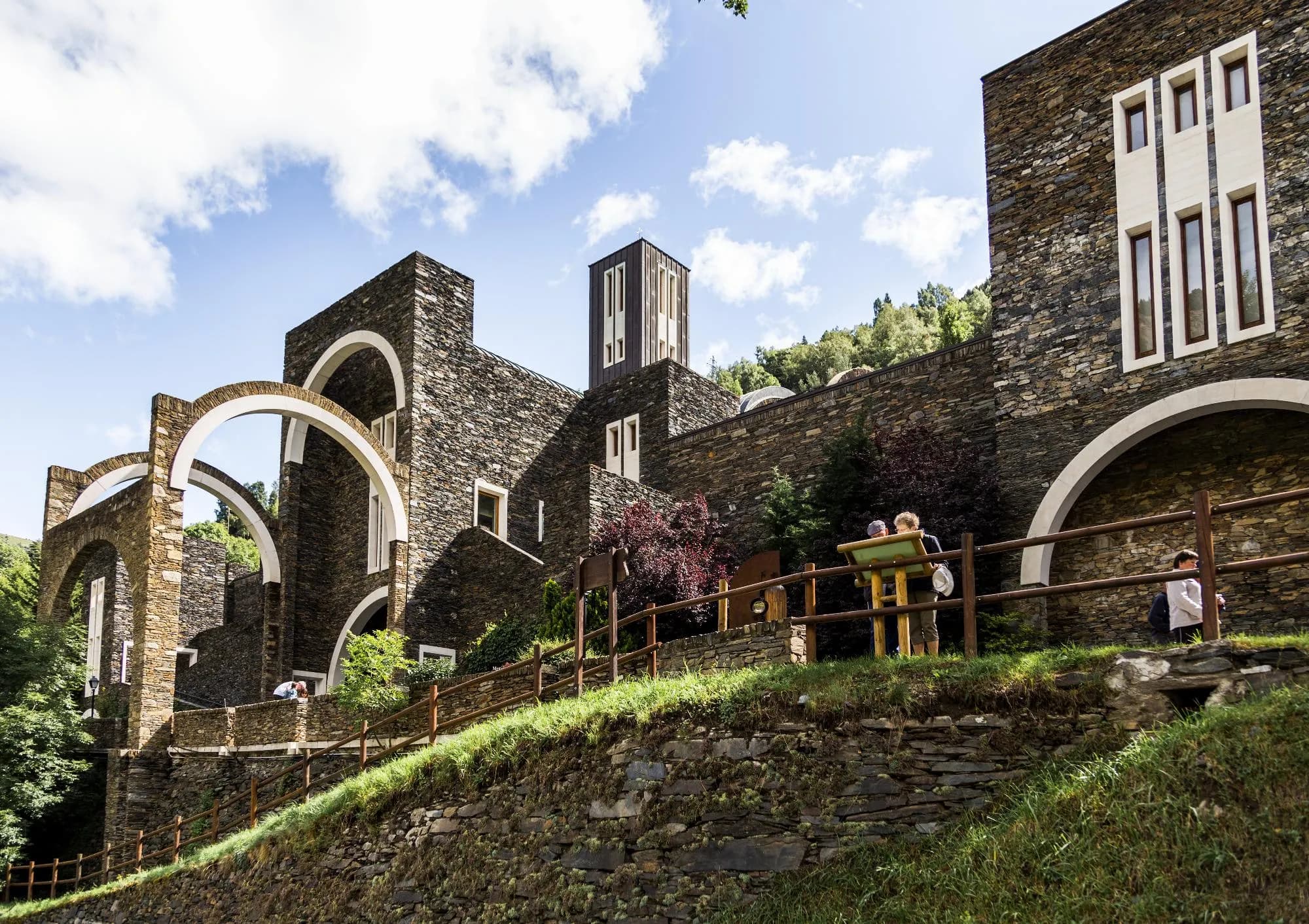
Image courtesy of Grandvalira Resorts and Andorra Turisme
Motorcycle Museum
Located in the cable car building of Canillo, the Motorcycle Museum features over a hundred models from all eras and styles, including the most representative brands in motorcycle history. A pleasant and instructive visit for motorized two-wheel enthusiasts, although perhaps a bit more specialized than other museums in the country.
Espai Galobardes
Also in Canillo, Espai Galobardes is an exhibition center located in the cable car building, showcasing works by artist Francesc Galobardes and other authors. Admission is integrated with the cable car visit, making it a very accessible stop.
Museums in Sant Julià de Lòria
Tobacco Museum / Reig Factory
The Tobacco Museum (also known as Reig Factory Museum) is one of Andorra's most original museums. Housed in the building of the old Reig Factory —which was active from 1909 to 1957—, it allows visitors to discover the ancient process of manufacturing cigars and cigarettes in Andorra, an industry that was one of the country's most relevant economic activities for decades. The building itself, a good example of 20th-century industrial architecture, already justifies the visit. It is very educational and suitable for the whole family.
Museum News in 2026
2026 is a particularly active year in the Andorran cultural scene. These are the milestones you can't miss:
- Sanctuary of Meritxell: 50th anniversary. From May 21 to December 31, 2026, the Sanctuary hosts the exhibition Meritxell reneix. 50 anys sota la mirada d'un poble. 1976–2026, a tribute to Bofill's iconic building and the Patron Saint of Andorra.
- Casa d'Areny-Plandolit Museum: 40th anniversary. Ordino's most emblematic museum celebrates its 40th anniversary with a special year-round program, including the modernist festival (already held in March), cultural activities, and events in collaboration with the National Chamber Orchestra of Andorra (ONCA).
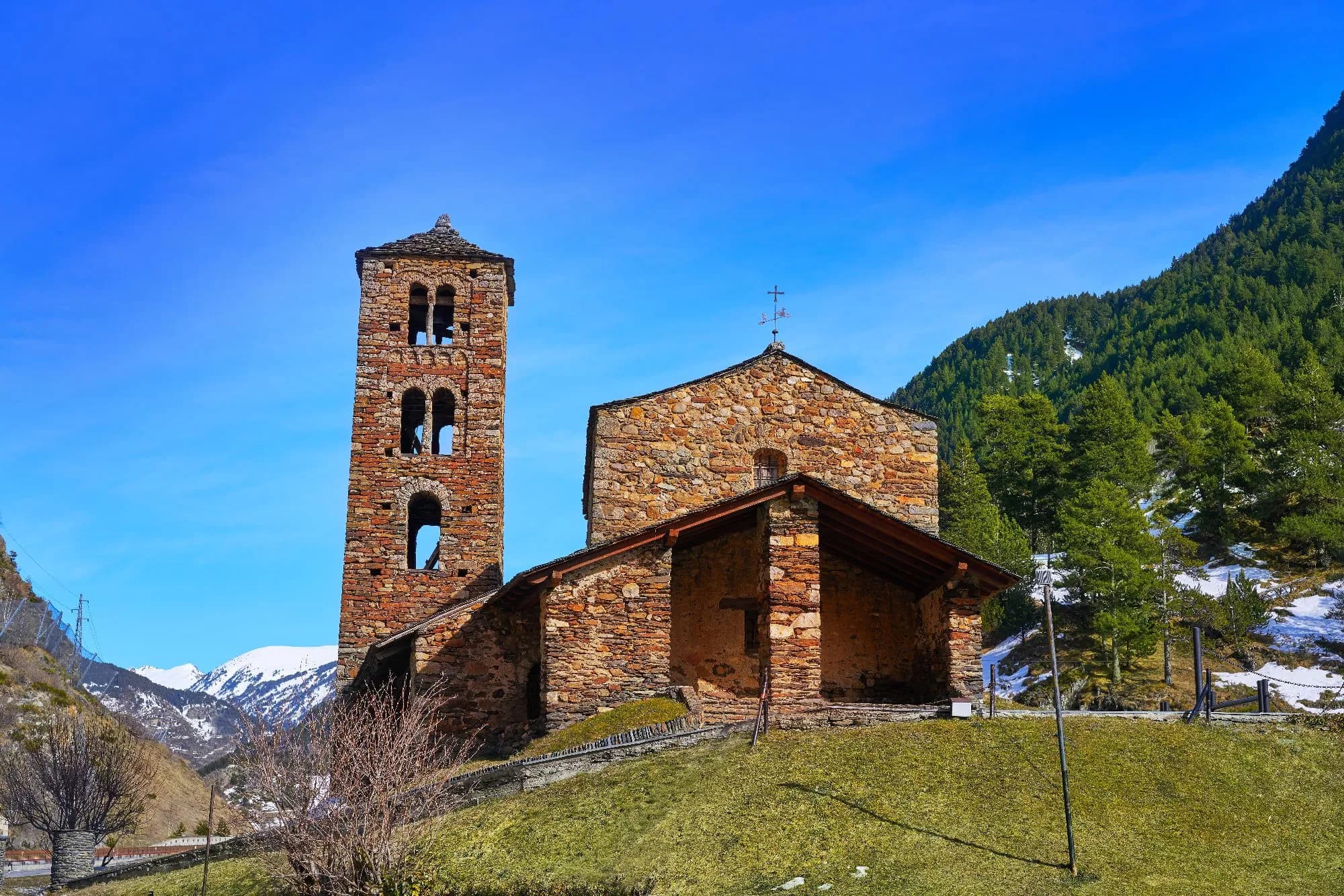
- Espai Columba: activity program from April to December. The country's most important medieval art center intensifies its program with monthly activities and concerts in Romanesque spaces such as Sant Joan de Caselles and Santa Coloma.
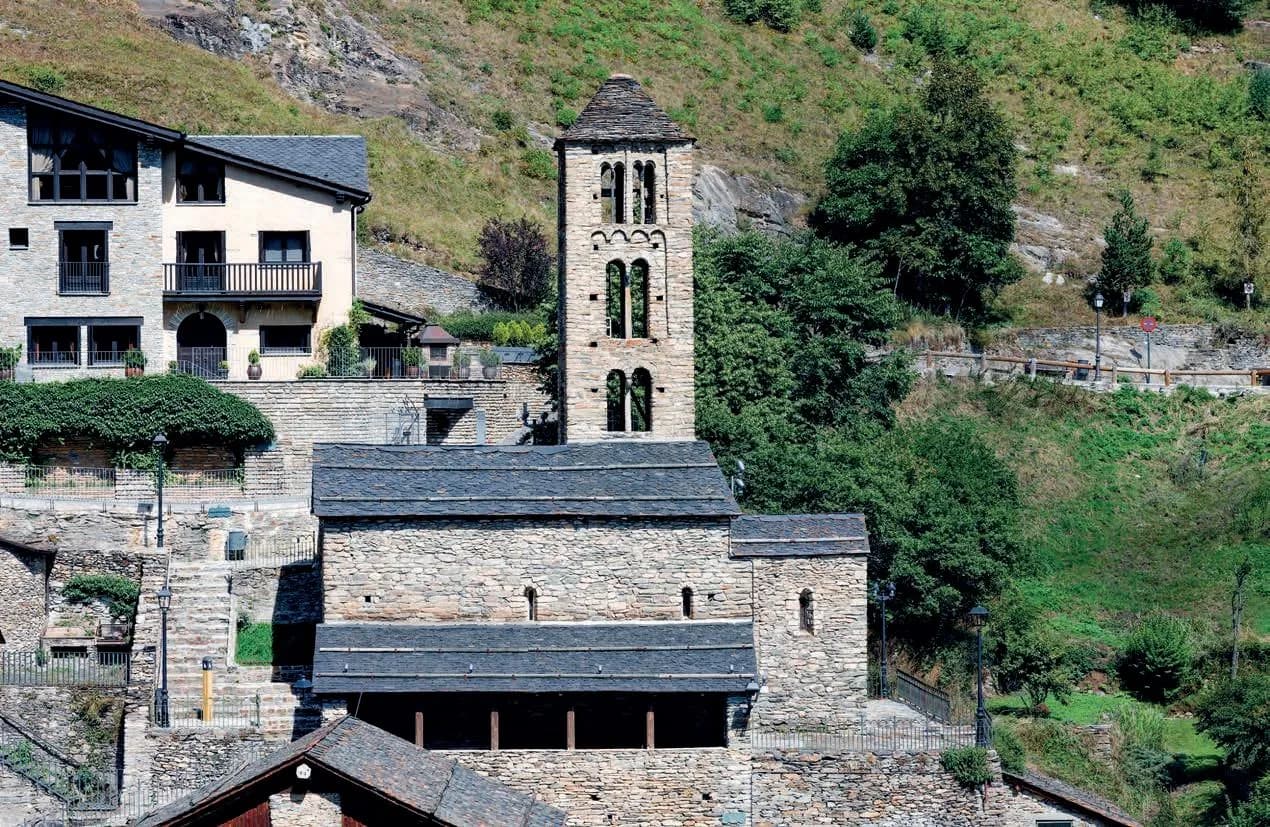
- Free guided tours to Sant Climent de Pal (from March 3 to June 9, 2026). An initiative that turns the spring months into a unique opportunity to discover the Romanesque church of Pal with a guide included.
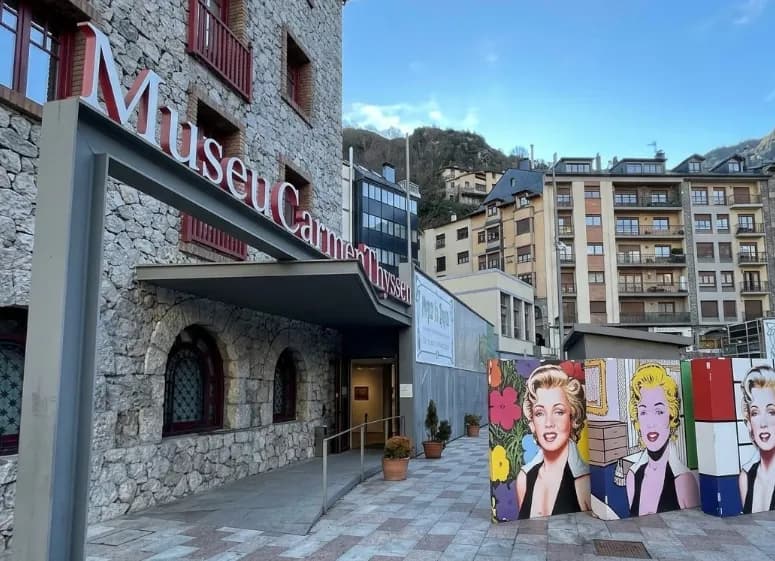
Important note: the Carmen Thyssen Andorra Museum remains temporarily closed due to relocation to a new venue. The Foundation remains active and has announced its reopening, but as of the date of this guide, no confirmed date is available. We recommend checking their official website before planning your visit.
Museums with special summer activities
Summer is the high season for cultural tourism in Andorra. During July and August, several museums extend their hours and organize special activities:
- Bici Lab Andorra organizes workshops, night visits, and recreational activities for schoolchildren. In summer, it extends its opening hours to Sundays. There is also the proposal The cyclist on the trail, a research activity for children aged 6 to 12 included in the admission price.
- Sanctuary of Meritxell offers guided tours only during July and August.
- Espai Columba extends its hours on Saturdays until 8:00 PM in June and September.
- Ordino Museums (Casa d'Areny-Plandolit, Postal Museum, Casa Rull) maintain cultural programs and guided tours coordinated through museus.ad. Reservations by phone (+376 836 908) or email reservesmuseus@govern.ad.
The network of state museums also organizes concerts in Romanesque churches in collaboration with the ONCA throughout the summer, with free admission.
Practical tips before you go
Here are the tips I wish I had before my first museum tour in Andorra:
- Book guided tours in advance. Especially in the national museums of Ordino (Casa d'Areny-Plandolit, Postal Museum, Casa Rull), guided tours require prior booking. Do so by phone or email.
- Buy the PassMuseu at your first stop. If you plan to visit three or more museums, the PassMuseu (€2.50) saves you 50% on admission fees. It is sold at any tourist office and at the museums themselves.
- Watch out for special closing days. The museums of Ordino close on their respective main festivals (July and September). The National Automobile Museum closes on Carnival Tuesday and on the August Main Festival Sunday. Before you go, check the calendar at museus.ad.
- Combine museums with cultural routes. The museus.ad network offers thematic itineraries (Iron Route, Engordany Route, Water Itinerary, Barroquízate...) that combine museums and outdoor monuments. They are free and very well signposted.
- Take the car. The museums of Ordino, La Massana, and Encamp are spread across the territory, and although there is public transport, a car gives you much more flexibility. Parking in these parishes is easy and free in most cases.
- Summer is the best time. Most museums extend their opening hours in summer (especially in July and August), and some open all day on Sundays. It's the ideal season to do the complete cultural route.
If you are looking for accommodation to organize your visit, on Andorra.com you can find hotels and apartments in Andorra for all budgets and needs, well-located to explore both the capital and the inner parishes.
Mistakes most visitors make
After speaking with many tourists, these are the most common mistakes made when planning a visit to Andorra's museums:
- Not checking if the museum is closed that day. Almost all public museums close on Mondays. Some also close on specific local holidays in their parish. Always check museus.ad before you go.
- Underestimating the time needed. The Bici Lab, Casa d'Areny-Plandolit, or Espai Columba need at least 1.5 hours for a relaxed visit. If you try to fit three museums into one afternoon, you'll leave without enjoying any of them.
- Not knowing that the Thyssen is closed. Many visitors arrive expecting to visit the Carmen Thyssen Andorra Museum and find the doors closed due to the relocation of its headquarters. As of today (May 2026), there is no confirmed reopening date.
- Going without the PassMuseu. It's literally money in your pocket. For €2.50 you can save much more on admission fees.
- Staying only in the capital. Andorra's most authentic and interesting museums are in Ordino, La Massana, and Encamp. It's well worth renting a car or using the inter-communal bus to explore them.
- Not combining with monuments. The museus.ad network also includes outdoor monuments, Romanesque churches, and thematic routes that perfectly complement the indoor museums. Most of them are free.
Museum | Parish | Summer hours (Jul–Aug) | Approximate price | PassMuseu |
|---|---|---|---|---|
Bici Lab Andorra | Andorra la Vella | Tue–Sun, 10:00 AM–6:00 PM | €5 / €2.50 | Yes |
Espai Columba | Andorra la Vella | Tue–Sat, 10:00 AM–8:00 PM; Sun, 10:00 AM–2:00 PM | ~€7 | Yes |
Casa de la Vall | Andorra la Vella | Check website | Free/reduced | — |
Perfume Museum | Escaldes-Engordany | Check website | ~€3 | Yes |
CAEE | Escaldes-Engordany | Check website | Free/reduced | — |
Casa d'Areny-Plandolit | Ordino | Tue–Sat, 9:30 AM–6:30 PM; Sun, 10:00 AM–2:00 PM | €2.50 | Yes |
Postal Museum | Ordino | Tue–Sat, 9:30 AM–6:30 PM; Sun, 10:00 AM–2:00 PM | €2.50 | Yes |
Miniature Museum | Ordino | Check website | ~€3 | Yes |
MW Electricity Museum | Ordino | Check website | ~€3 | Yes |
CINVO | Ordino (Cortinada) | Tue–Sat, 9:30 AM–6:30 PM; Sun, 9:00 AM–2:00 PM | ~€3 | — |
La Farga Rossell | La Massana | Check website | Included | Yes |
Casa Rull | La Massana (Sispony) | Tue–Sat, 9:30 AM–6:30 PM; Sun, 10:00 AM–2:00 PM | €2.50 | Yes |
National Automobile Museum | Encamp | Tue–Sat, 9:30 AM–6:00 PM; Sun, 10:00 AM–2:00 PM | €4 | Yes |
Casa Cristo | Encamp | Check website | ~€2 | Yes |
Sacred Art Museum | Encamp | Check website | ~€2 | Yes |
Sanctuary of Meritxell | Canillo | Guided tours Jul–Aug | Free access | — |
Motorcycle Museum | Canillo | Check website | ~€4 | Yes |
Tobacco Museum (Reig Factory) | Sant Julià de Lòria | Check website | ~€3 | Yes |
Carmen Thyssen Museum | Andorra la Vella | CLOSED (headquarters relocation) | — | — |
Hours may vary on public and local holidays. Always check museus.ad before visiting.
Plan your visit to Andorra's museums
If you need help organizing your entire trip —not just the museums—, in our guide to what to do in Andorra you will find activities, routes, and experiences for all tastes. And if you want to know about the different destinations and parishes of the country before deciding your route, visit the section on Andorra destinations.
To plan your accommodation in advance —something especially recommended in July and August—, you can consult all available offers on hotels and apartments on Andorra.com. Being well-located can make the difference between visiting two museums a day or four.
Frequently asked questions
AArticle written and updated byAnna