#Other activities#Nature#Active tourism#Summer#Spring
In this article12 sections
If you're looking for the best night hikes in Andorra this summer, you've come to the right place. Walking under the stars in the Principality is a magical experience, but it requires preparation, knowing safe trails, and choosing the ideal environment, such as the prestigious certified dark sky areas. In this in-depth guide, I'll tell you everything you need to know: from the most accessible paths for family walks to high-mountain treks to shelters for the most experienced hikers. Get ready to discover a silent Andorra, illuminated only by the moon, constellations, and your spirit of adventure.
Why summer is the best time for night hiking in Andorra
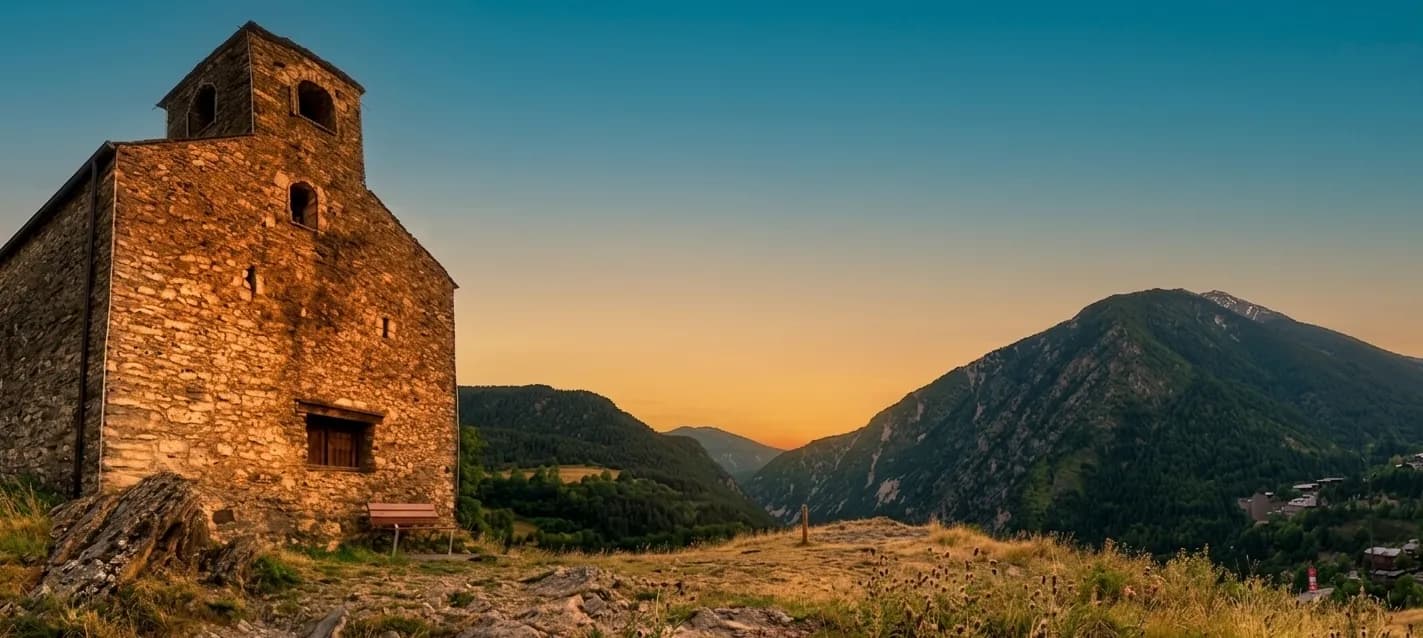
Summer in the Pyrenees transforms the landscape. During the day, the sun illuminates green meadows and rugged peaks, but it's at nightfall that the mountain takes on a completely different dimension. As an integral part of decisions about what to do in Andorra, night hiking has positioned itself as one of the most fascinating activities in recent years.
Summer temperatures, although cool at altitude, allow for walking without the extreme harshness of winter. Furthermore, summer skies are usually clearer, offering a crisp window to the Milky Way. The absence of light pollution in the deeper valleys creates a setting that attracts both photographers and hikers looking to disconnect from urban noise.
The best night routes in Andorra grouped by profiles
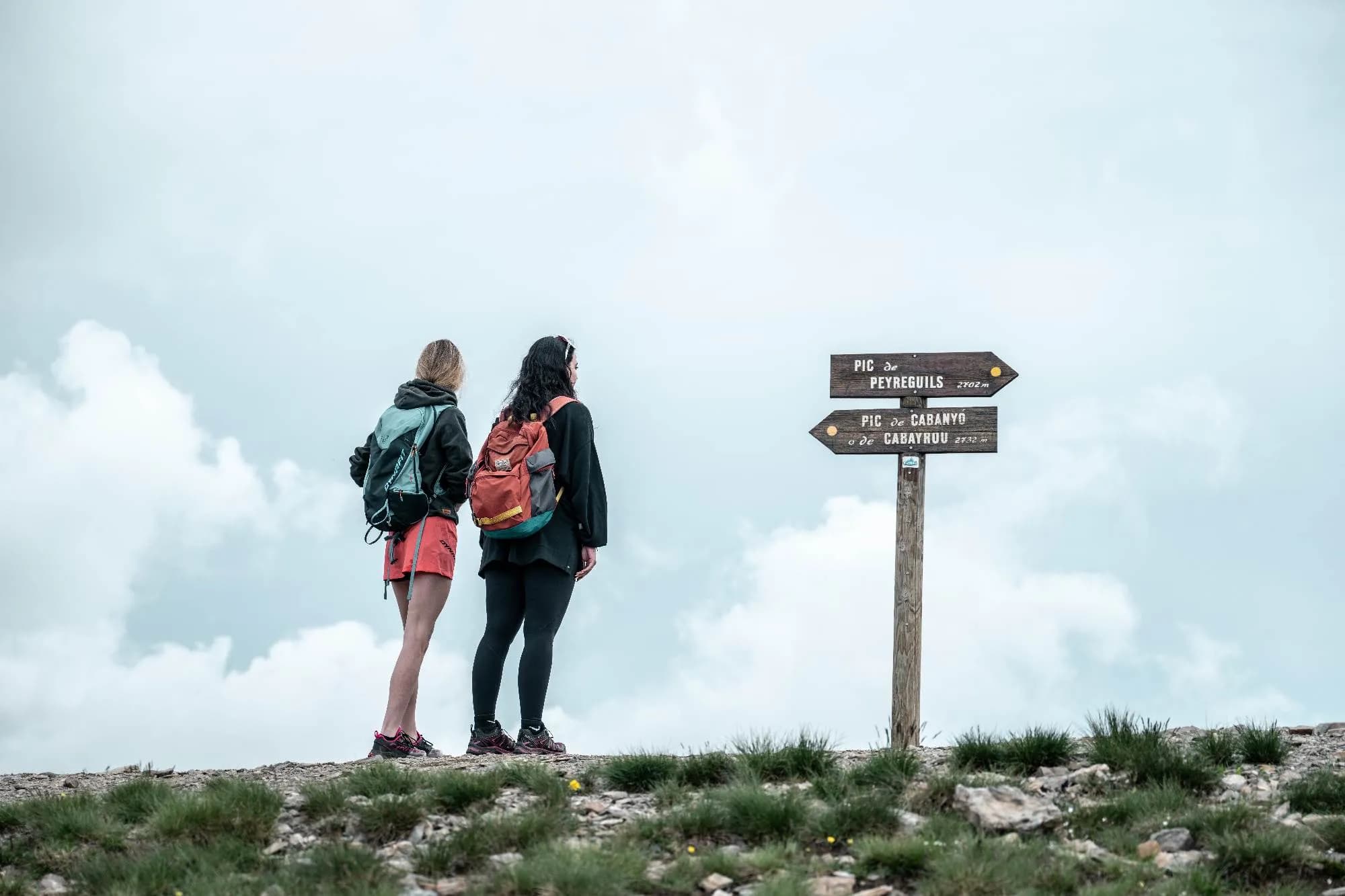
Not all trails are suitable for walking with a headlamp. Safety is a priority, so I have classified the best Andorra night routes according to your experience and the company you keep.
For beginners and families: Magical trails
If it's your first time walking at night or you're with children, you need wide paths, gentle slopes, and zero exposure to cliffs.
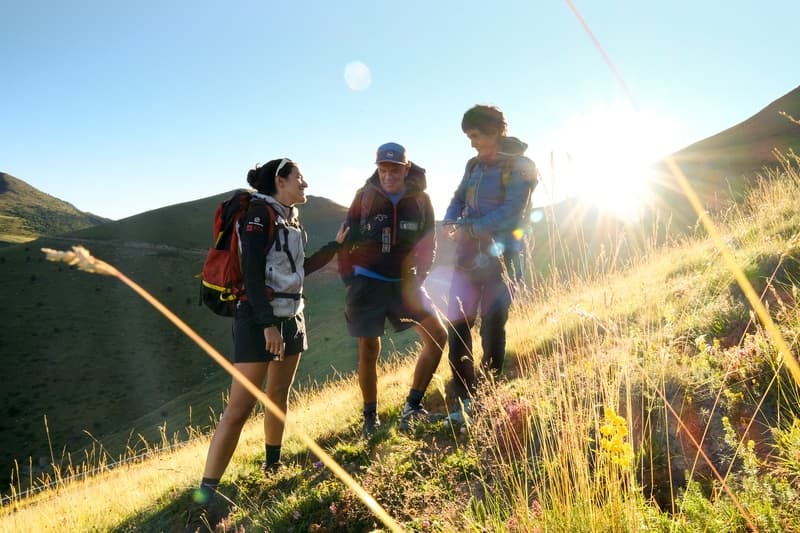
- Pla de la Cot (La Massana): A very popular and accessible route that starts from the Pal sector. It's a wide forest path that runs through black pine forests. The walk is barely a couple of hours round trip, offering a very safe environment where the little ones can enjoy the "adventure" of walking in the dark listening to the sounds of the forest.
- Estany de les Abelletes (Pas de la Casa): A short and very simple route that takes you to a lake bordering France. Being an open valley, the reflection of the stars on the water's surface on a calm night is a spectacle that does not require extreme physical effort.
For astronomy lovers: Seeking the dark sky
For star enthusiasts, the goal is not to walk many kilometers, but to gain altitude safely to get away from any light halo and set up the tripod.
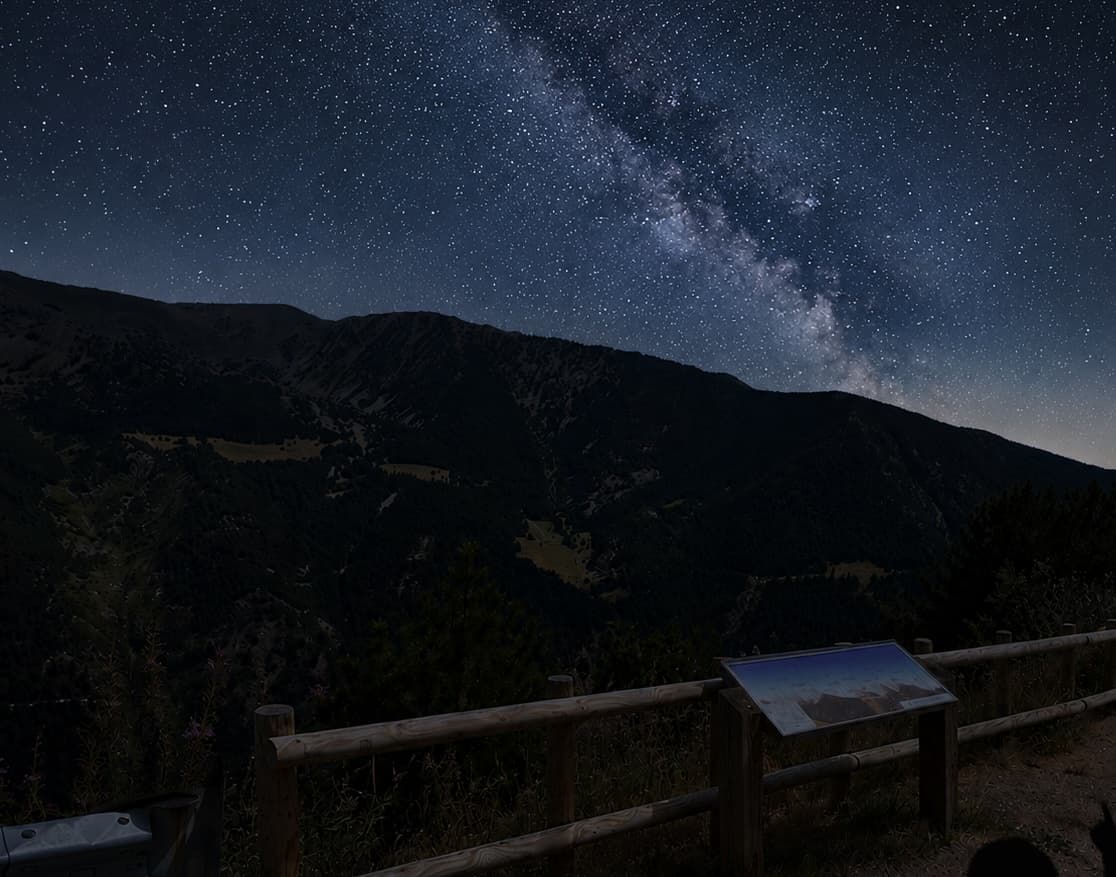
- Coll de la Botella and Roc de la Sabina: Largely accessible by road or via very marked trails from Pal station. From these natural viewpoints, the visibility of the firmament is almost 360 degrees. It is one of the neuralgic points to contemplate the Andorra dark sky. Arriving at sunset, watching the sun hide, and waiting for the stars to dominate the landscape is the perfect plan.
For experienced mountaineers: High mountain
For those with experience in night orientation and good physical fitness, the goal is to link dusk with arrival at a refuge, or to summit at dawn.
- Ascent to the Tristaina Lakes (Ordino): Although it's a family route by day, at night the rocky terrain of the Tristaina glacial cirque demands expertise. Shadows change the perception of the path. Reaching the first lake under the light of the full moon is an awe-inspiring experience, but it requires good footwear and an offline map.
- Route through the Vall d'Incles to Juclà: Start the route in the mid-afternoon, traverse the glacial valley as the sun sets, and tackle the steep climb to Andorra's largest lake to spend the night. It requires endurance, but the visual reward in the Juclà basin is priceless.
Plan ahead: Discover the best accommodation options and basic services for your adventure in our section on how to plan your trip to the Principality.
Andorra Dark Sky: The Magic of the Starlight Reserve
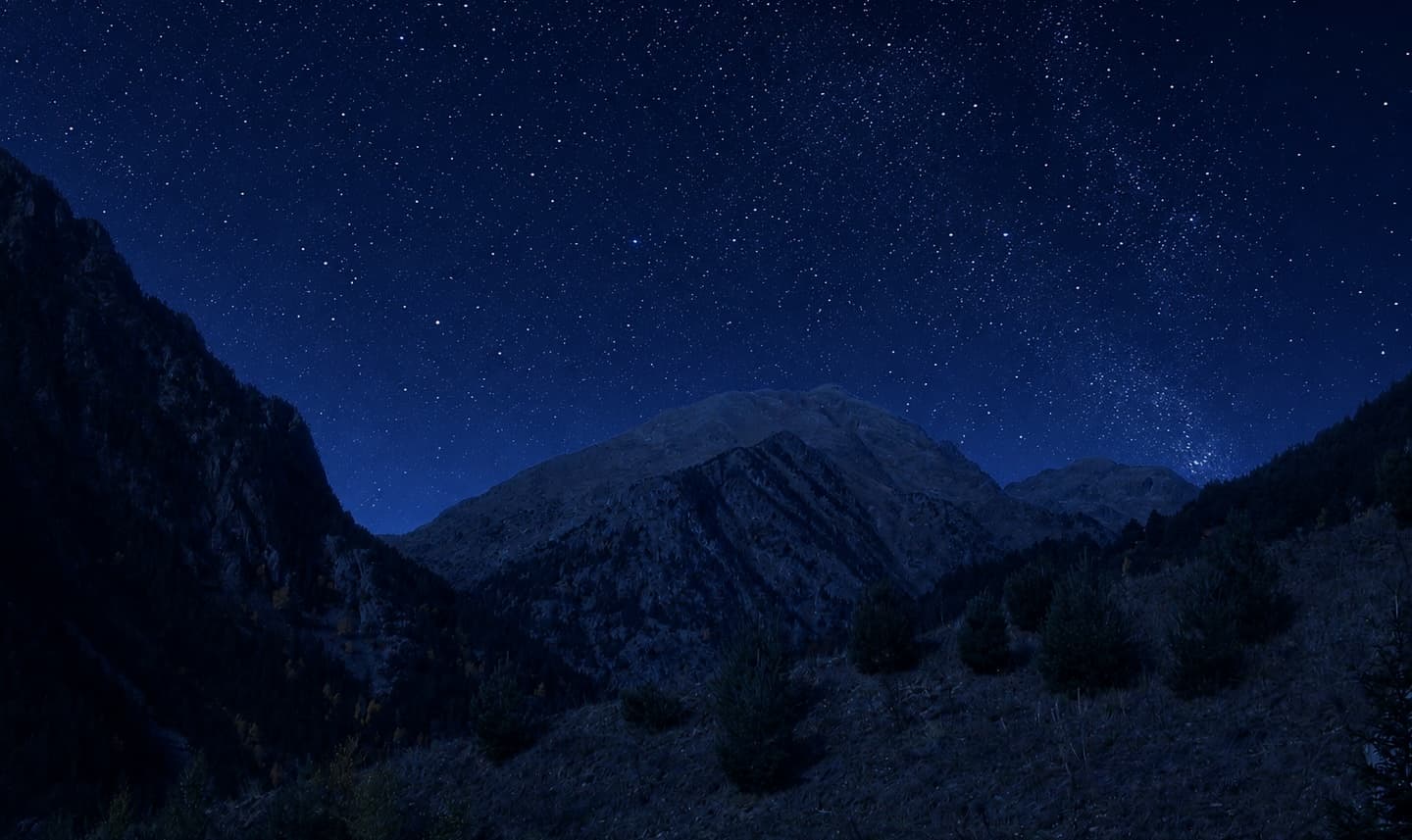
Andorra is not just mountains by day; it's a galactic sanctuary by night. In 2022, the Comapedrosa Valleys Natural Park received the prestigious certification as a Starlight Reserve. This is no minor title: it means that international organizations certify that the quality, clarity, and darkness of this sky are among the best in Europe for astronomical observation.
To enjoy the Andorra dark sky, it's not enough to just look up. You have to immerse yourself in the Comapedrosa Natural Park. Light pollution regulations in the destinations in Andorra have been adapted to protect this visual heritage. I strongly recommend looking for guided astrotourism activities or, if you go on your own, settling in the designated observation points near Arinsal. You will see shooting stars, complete constellations, and on clear new moon nights, the stardust of the Milky Way with breathtaking clarity.
Andorra Refuges: Your Base Camp Under the Stars
An ambitious night route usually ends (or reaches its peak) in one of the many Andorra shelters. The Principality has an extensive network of shelters, but for summer, the guarded ones are your best ally, as they offer a hot dinner and a bed after a hike by headlamp.
Shelter | Location | Altitude | Ideal for |
Juclà Shelter | Incles Valley (Canillo) | 2,310 m | Lovers of glacial lakes and fit mountaineers. |
Comapedrosa Shelter | Arinsal (La Massana) | 2,265 m | Starlight observation and ascent to Andorra's highest peak. |
Borda de Sorteny | Sorteny Natural Park | 1,965 m | Trekking beginners, families, and amateur botanists. |
L'Illa Shelter | Madriu Valley | 2,488 m | Long treks (Coronallacs) and total isolation. |
Hiking to one of these shelters at sunset allows you to enjoy the twilight on the way and wake up the next day immersed in nature. If your idea is more conventional accommodation in the valley from which to go on shorter hikes, you can directly explore where to sleep in Andorra.
Local tips and mistakes to avoid
I've been hiking these Andorran valleys since I was a kid. I've seen incredible sunrises, but I've also seen many people struggle by underestimating night mountain conditions. Here are my most direct and honest tips for your route:
1. Don't trust daytime temperatures
It's the number one mistake. You might be at 25°C at five in the afternoon in Andorra la Vella, but at midnight at 2,200 meters in Incles, the temperature can plummet to 5°C or less, adding the wind factor. The mountain holds thermal surprises; warm clothing is not optional, it's mandatory.
2. Red light is your best friend
Carrying a good headlamp is vital, but make sure it has a red light mode. Bright white light destroys your peripheral night vision and disturbs local wildlife (and other hikers or photographers). Use red light for walking in easy areas and reserve white light only for technical sections.
3. Never improvise a trail at night
A path that looks like a dirt highway in broad daylight is a labyrinth of shadows at night. Rocks change shape and detours are camouflaged. Download tracks to your GPS watch or mobile (and carry an external battery). Only go on trails you know or that are exquisitely marked.
4. Respect the silence
Night hiking is an immersive experience. Listening to the rustling of branches, the water of the streams, and the wind is part of the charm. Avoid using loudspeakers or shouting; Andorran wildlife is very sensitive at these hours.
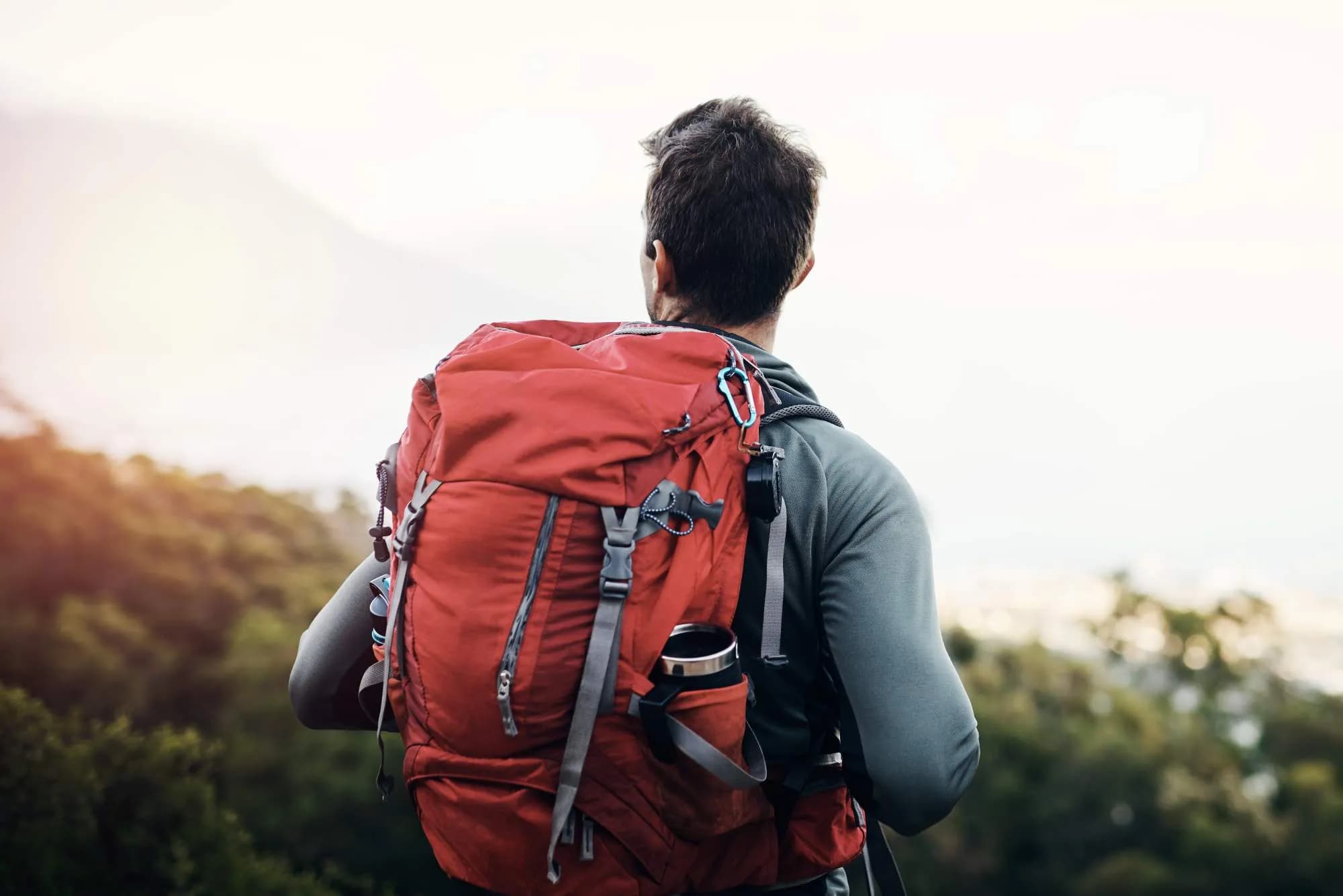
Pack your backpack: Essential checklist
To ensure your experience is top-notch and safe, check this list before leaving your hotel:
- LED Headlamp (with spare batteries or 100% charged battery).
- Layered clothing (thermal t-shirt, light fleece, and a windbreaker/waterproof jacket).
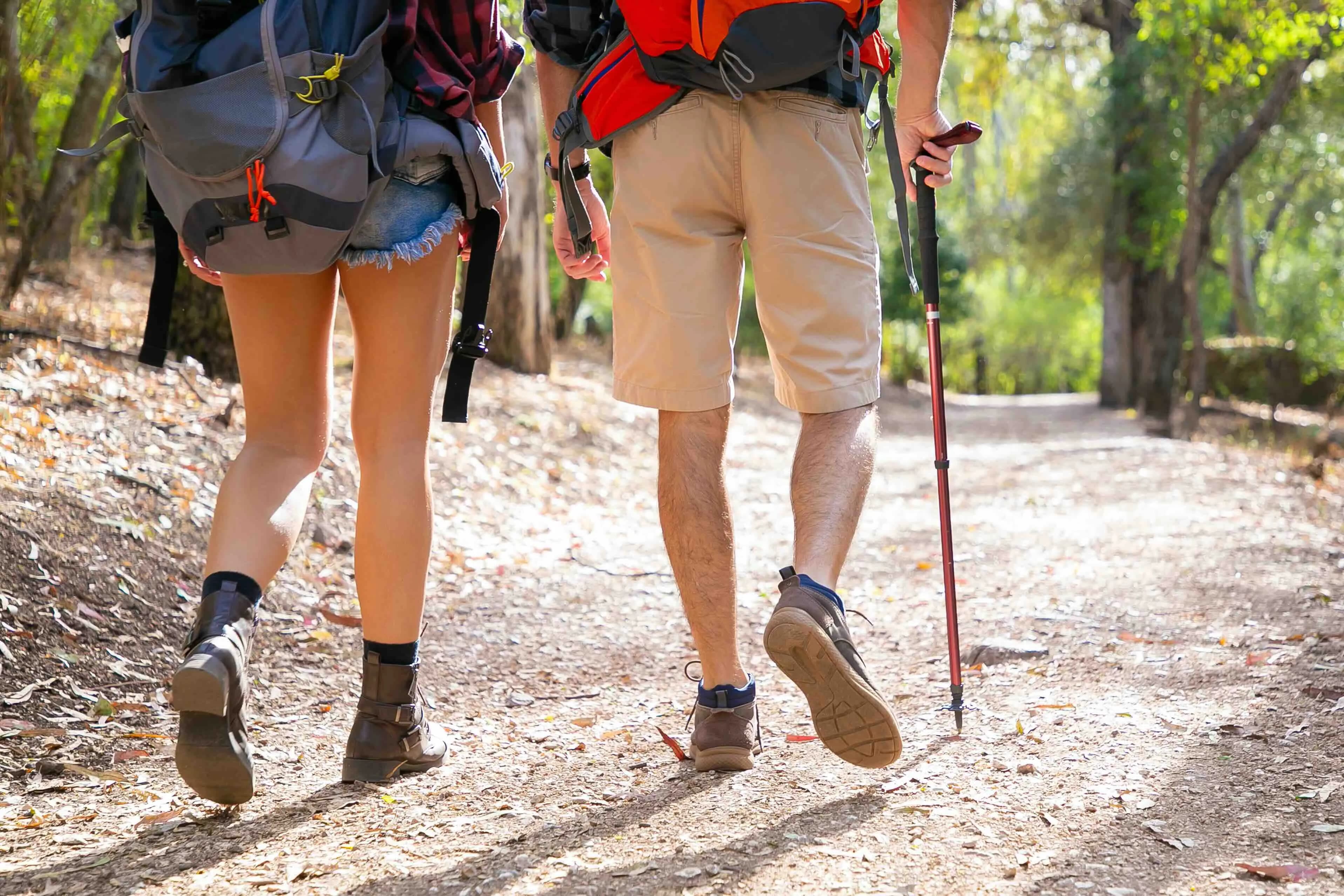
- Mountain footwear with good soles (no asphalt sneakers, dew dampens the stone and makes it slippery).
- Extra water and energy snacks (at night, metabolism expends extra energy to maintain warmth).
- Emergency thermal blanket (takes up as much space as a deck of cards and saves lives).
- Mobile phone with GPS and offline map.
Take the next step in your adventure!
If the idea of walking under the stars has captivated you, it's time to organize your base of operations in the Principality.
Discover the best experiences to complement your trip!
The adventure in the Pyrenees doesn't end at dawn, as the daylight hours offer as many possibilities as its spectacular night sky. Book the best daytime adventure activities now and make the most of every second of your getaway to the Principality.
Frequently Asked Questions
JArticle written and updated byJoan