
In this article
Andorra is one of Europe's richest ecosystems for high-mountain birdwatching. During spring and summer 2026, the Andorran Pyrenees becomes the temporary and permanent habitat for over 150 bird species, including the emblematic bearded vulture, the golden eagle, and the elusive capercaillie. This birdwatching guide details the best routes through Andorra's forests, key species to observe, specific habitats, and practical tips for planning your ornithological expedition, ensuring a respectful experience with local wildlife.
Types of birds
The Principality stands out for its vertical biodiversity. As we ascend, the landscape changes, and with it, the avifauna. These are the crown jewels that every ornithologist or nature lover seeks to tick off their list during summer and spring:
- Bearded Vulture (Gypaetus barbatus): The king of the Andorran skies. This majestic vulture, recognizable by its diamond-shaped tail, nests in the most inaccessible rock faces. Spring is ideal for observing nuptial flights.
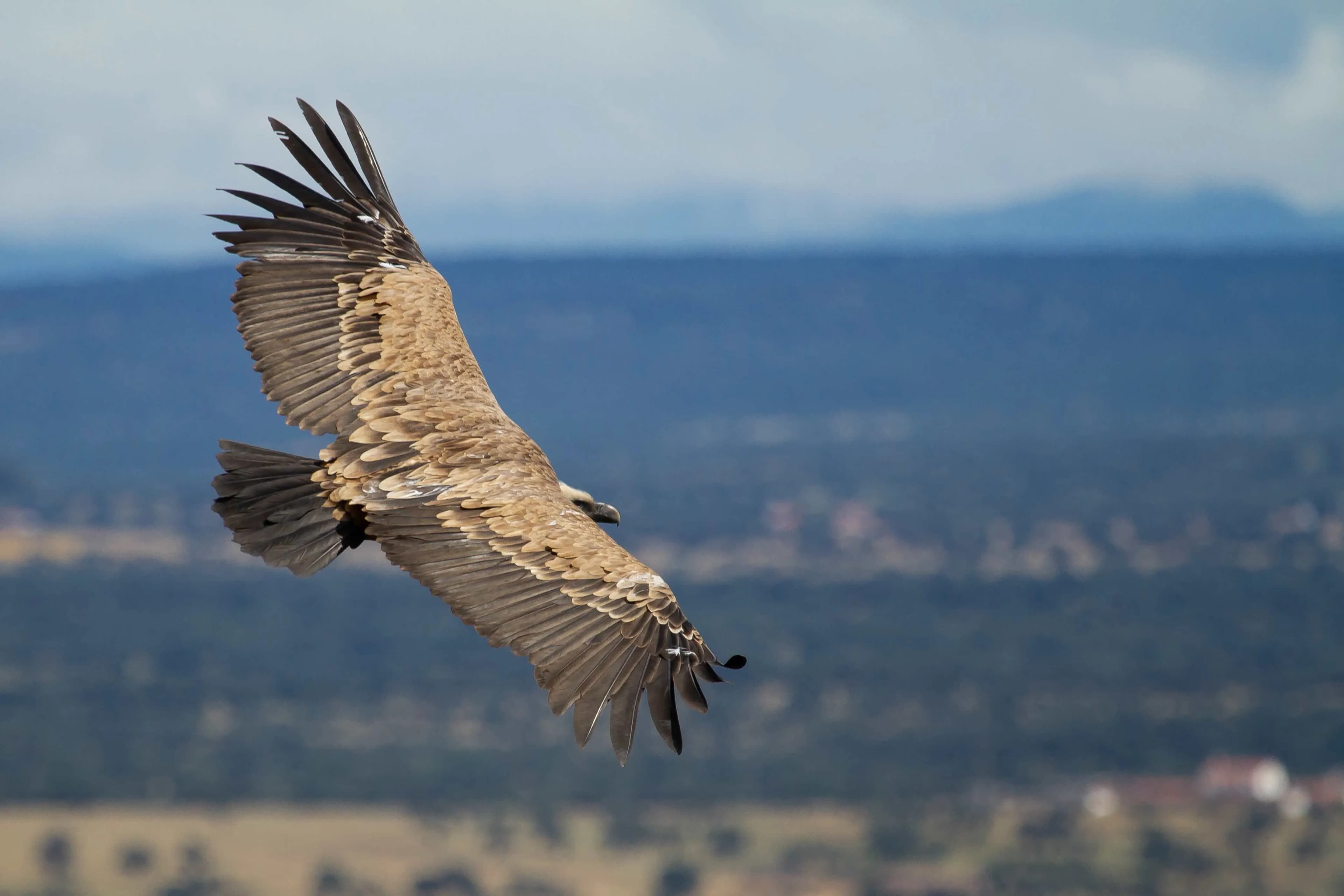
- Golden Eagle (Aquila chrysaetos): Apex predator of the valleys. It is often seen soaring over mountain ridges in search of marmots or small mammals.
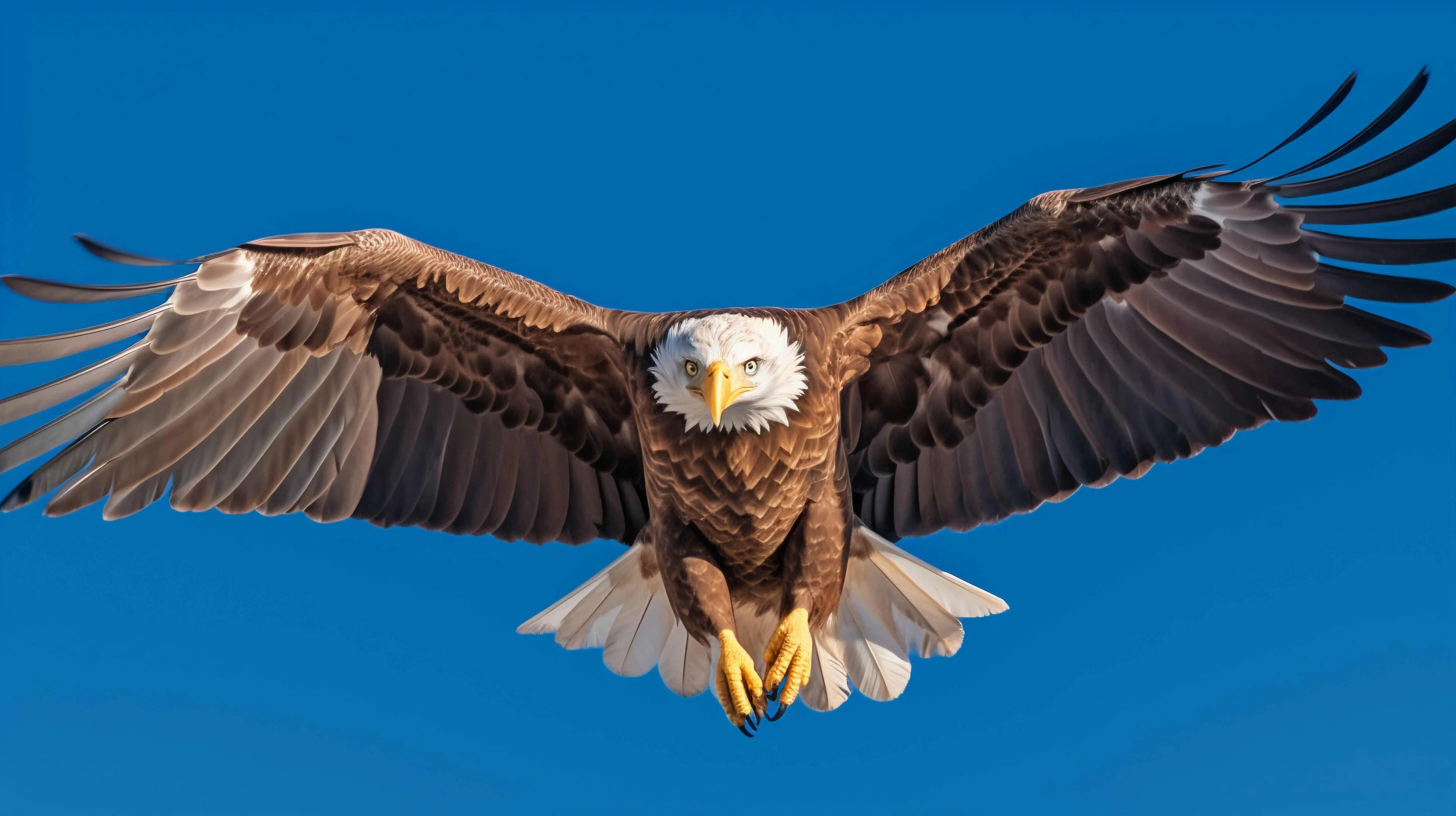
- Capercaillie (Tetrao urogallus): A glacial relict inhabiting black pine forests. Its sighting is extremely difficult and requires absolute silence. Its mating season in early spring is one of nature's most fascinating (and protected) spectacles.
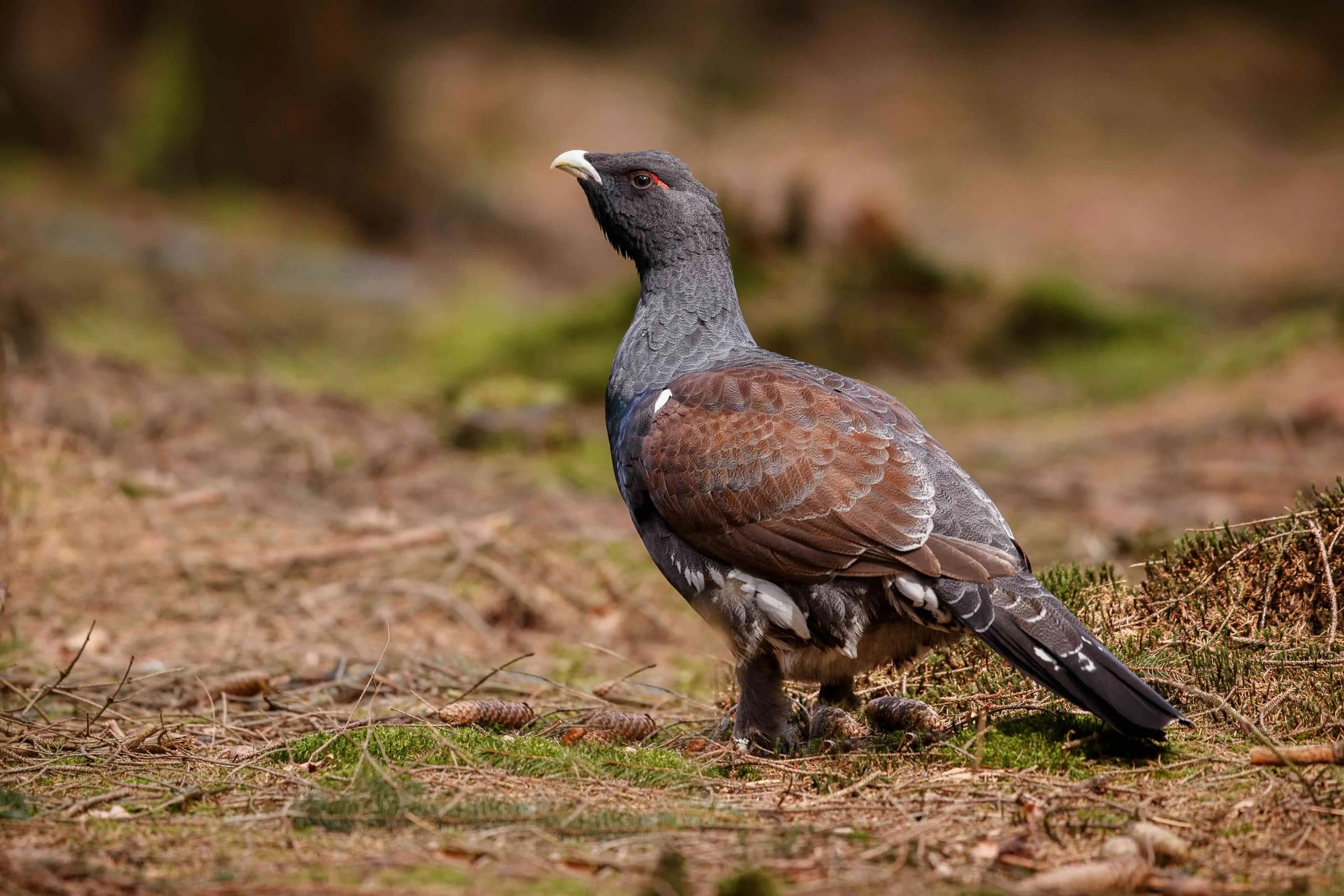
- White-winged Snowfinch (Montifringilla nivalis): Visible at the highest altitudes, near perpetual snows and alpine scree.
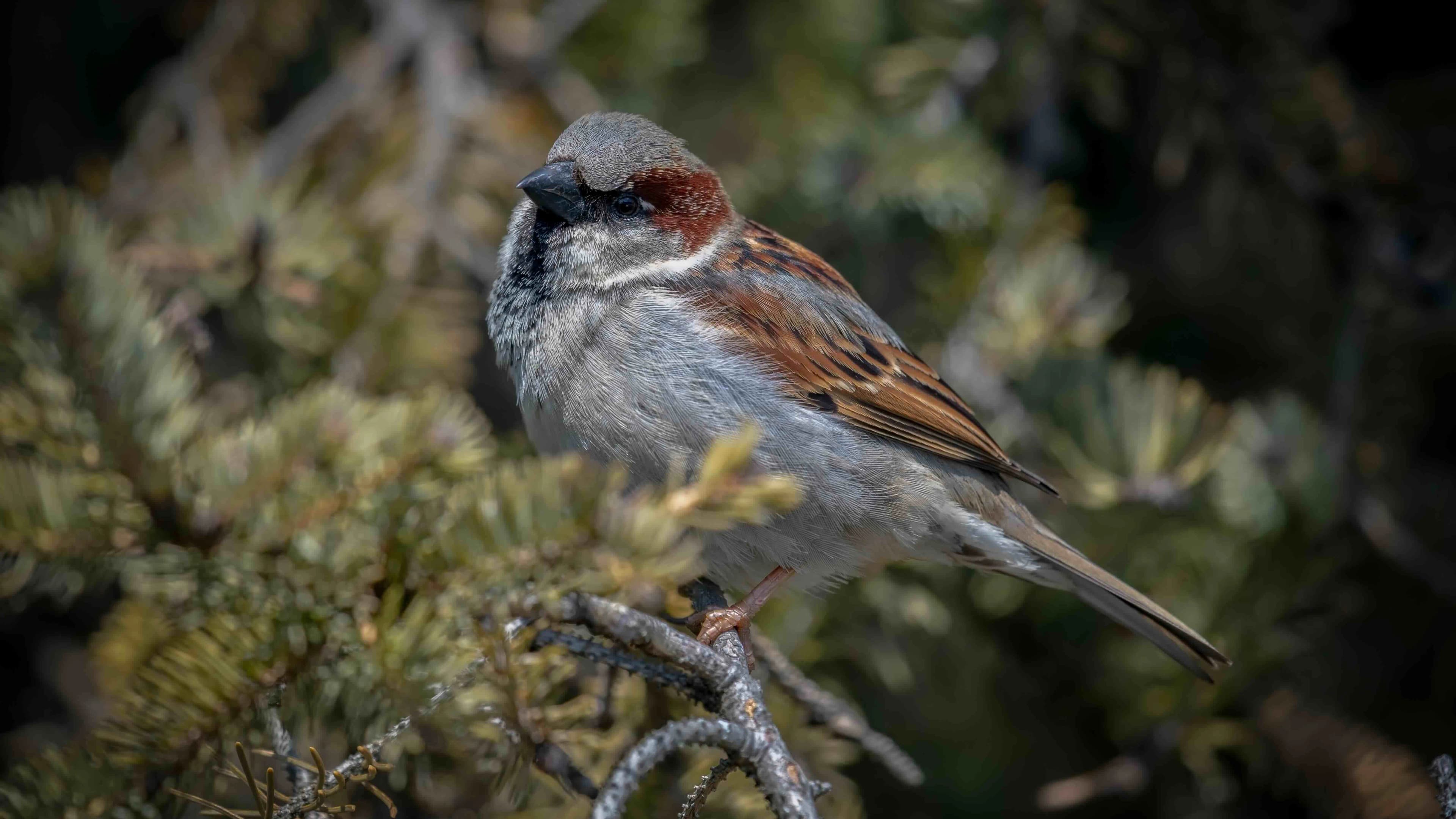
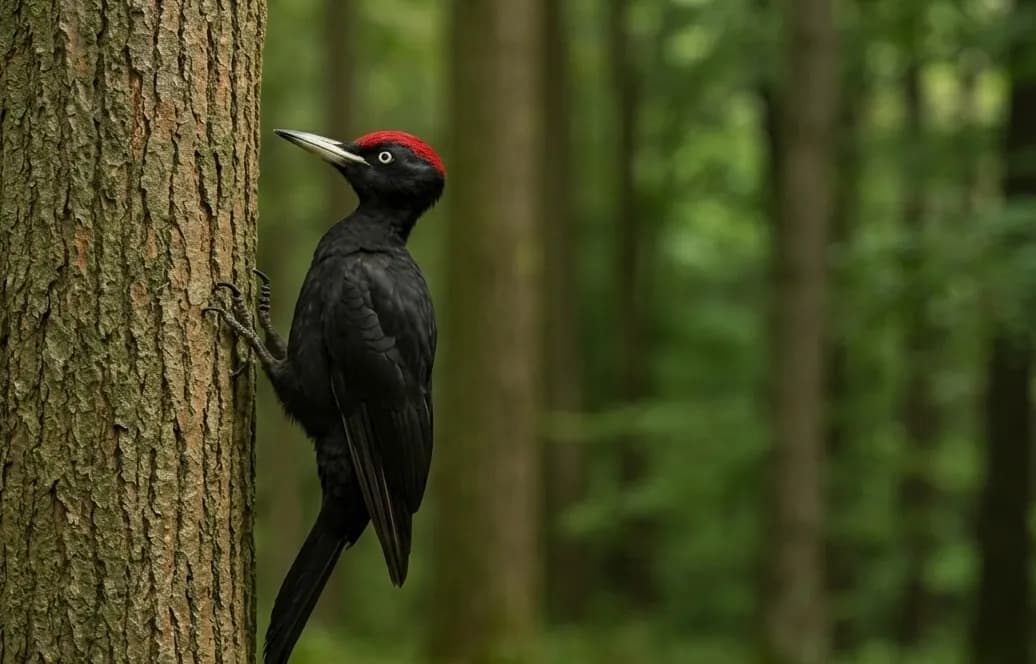
- Black Woodpecker (Dryocopus martius): Europe's largest woodpecker, whose drumming resonates through the Principality's mature forests.
To observe birdwatching in Andorra, it is essential to venture into its protected areas. The routes through Andorra's forests offer perfect natural hideaways.
Sorteny Valley Natural Park
A botanical paradise that is also an ornithological refuge. Its subalpine meadows attract a multitude of passerines during the summer. It is an excellent area to look for the Rufous-tailed Rock Thrush and various warbler species.
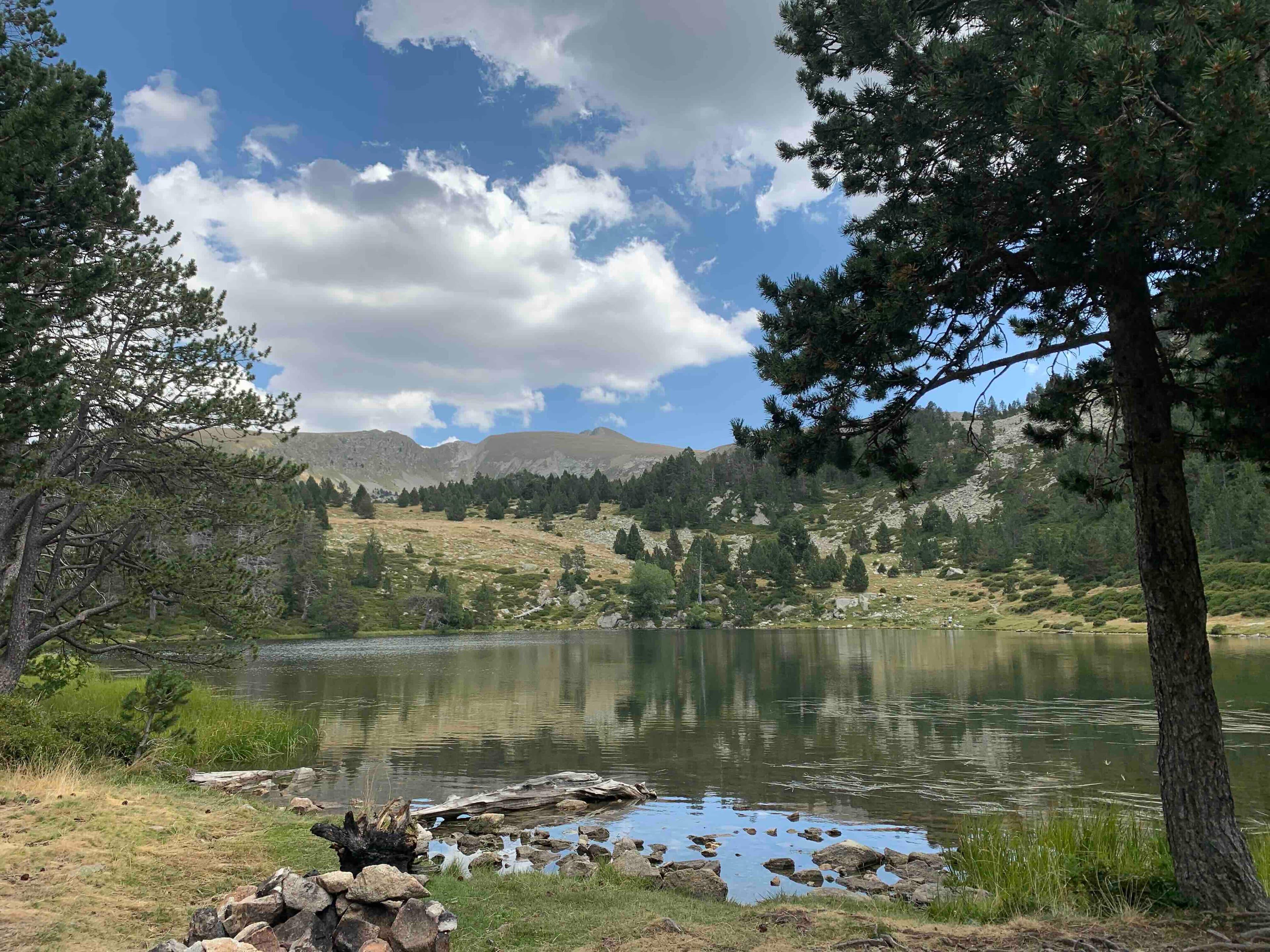
Madriu-Perafita-Claror ValleyMadriu-Perafita-Claror (World Heritage Site)
Its vastness and isolation make it the perfect habitat for large birds of prey. The dense Scots pine forests at lower altitudes are ideal for observing forest species such as the Crested Tit and the Eurasian Treecreeper.
Communal Natural Park of the Comapedrosa Valleys
It houses Andorra's highest peak. Here, the transition of bioclimatic zones allows for the observation of everything from forest birds to high-mountain species. It is one of the best spots to sight the White-winged Snowfinch and the Alpine Accentor.
Species | Main Habitat | Sighting Probability | Best Time (2026) |
Bearded Vulture | Rocky areas, cliffs | Medium | May - July |
Golden Eagle | Open valleys, high mountains | Medium - High | All year (best in Spring) |
Capercaillie | Dense black pine forests | Very Low (Protected species) | April - May |
Rufous-tailed Rock Thrush | Rocky meadows and slopes | High | June - August |
Black Woodpecker | Mature forests | Medium | May - June |
As local observers, we know that patience is vital. Here are some insider:
- Wake up early: The greatest bird activity occurs in the early hours of dawn (between 06:00 and 09:00).
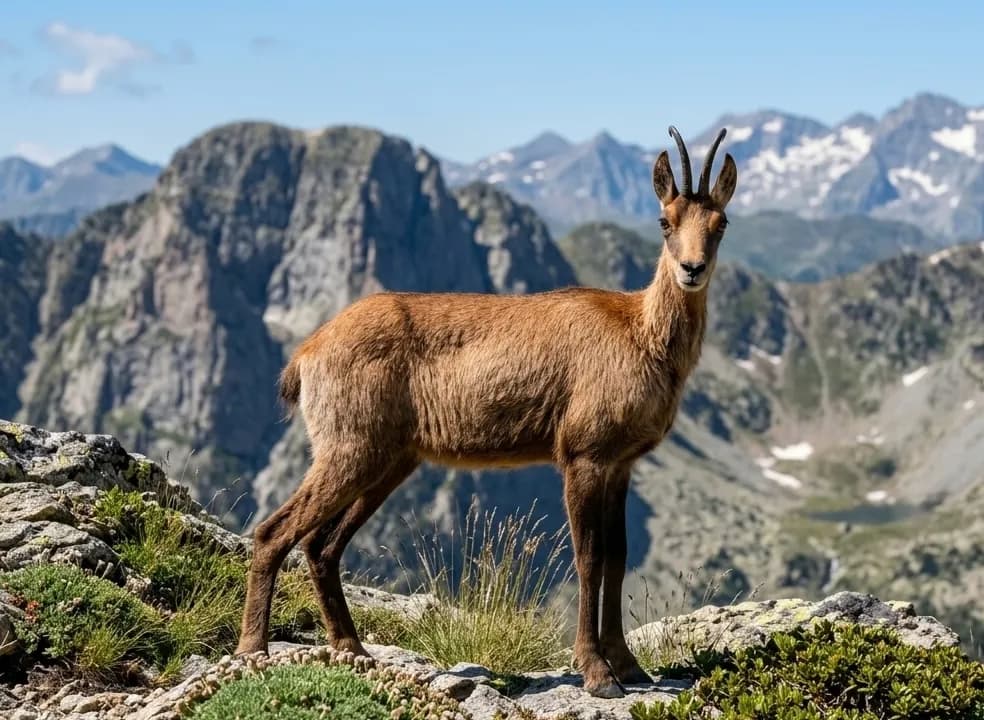
- Pay attention to terrestrial wildlife: While looking for birds with your binoculars, it's very common to come across the iconic Isards in Andorra (Pyrenean chamois). They are especially visible early in the morning in high alpine meadows, near snowfields.
- Silence and camouflage: Wear neutral colors (greens, browns). The echo in the valleys amplifies voices, scaring away both birds and mammals.
- Mountain weather: The weather can change drastically. Wear breathable and waterproof layers.
Important: Always respect marked trails. Species like the capercaillie are extremely sensitive to human presence, and stress can be fatal for their reproduction.
For your experience in spring and summer 2026 to be a resounding success, you must have all logistics covered before heading up the mountain:
- Accommodation for explorers: Rest near natural parks. Look for options that offer early picnics for early risers.
- Mountain connectivity: It's crucial to have internet to consult topographic maps, the app Merlin Bird ID or weather forecasts. Make sure you're always connected with the best eSIMs and Internet options in Andorra.
- Recharge your energy: After a day of hiking and bird identification, mountain gastronomy is a must. Discover the traditional bordas where to eat and the best restaurants in Andorra.
- Technical gear: If you need to renew binoculars, trekking boots, or technical clothing, remember that the Principality is ideal for acquiring equipment at competitive prices. Discover the shopping guide in Andorra.
Discover the best experiences in Andorra: If you prefer to go accompanied by an expert guide who knows the exact hiding places of the local fauna, do not hesitate to explore the complete catalog of outdoor activities.
Explore the best experiences and activities in Andorra.