In this article
- What is the Canillo Tibetan Bridge
- Opening and Bus Schedules 2026
- Prices and Tickets 2026
- How to get to the Tibetan Bridge
- What you will find along the way
- Roc del Quer Viewpoint: the combined visit
- Night visit: a different experience
- Practical tips before you go
- Rappelling and Jumping: extra adrenaline from the bridge
- Where to stay and what else to do in Canillo
- Frequently asked questions
Are you coming to Andorra and want to cross the Canillo Tibetan Bridge? I'll tell you how we experienced it here: it's a 603-meter long suspension bridge, suspended 158 meters high over the Vall del Riu, open from March 28th until November (weather permitting), with tickets starting from €17. In this guide, you'll find updated bus schedules, 2026 fares, how to get there without a car, and the tricks only those who live in the valley know.
What is the Canillo Tibetan Bridge
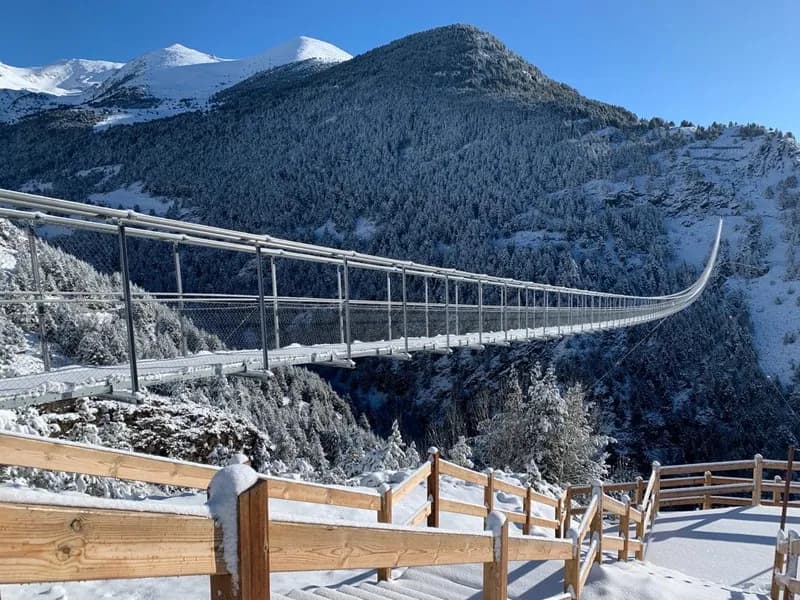
The Canillo Tibetan Bridge was inaugurated on June 11, 2022, and within a few months, it became one of Andorra's most photographed tourist attractions. It is a pedestrian suspension bridge, 603 meters long and barely one meter wide, suspended up to 158 meters above the valley floor at its highest points. It is considered the longest Tibetan bridge in Europe and the second longest in the world, only behind the Sky Bridge 721 in the Czech Republic.
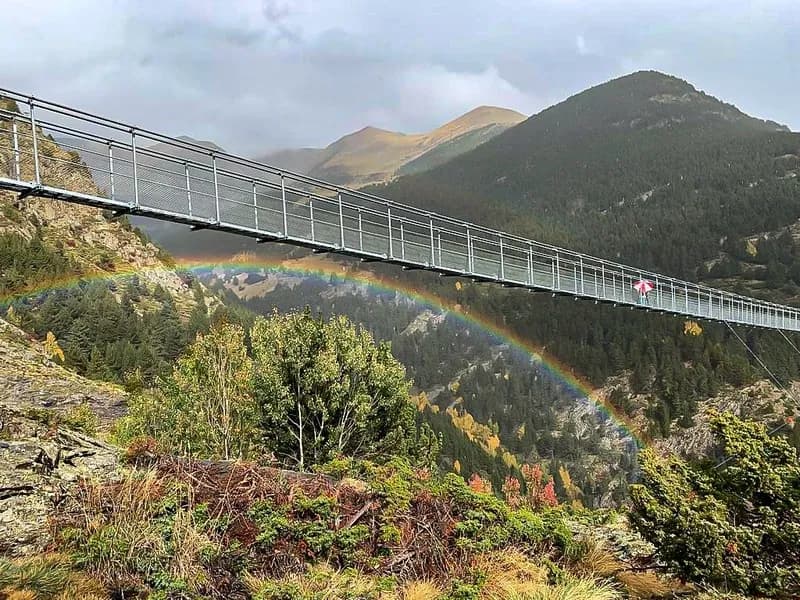
It is located in Vall del Riu, at an altitude of 1,875 meters, within the parish of Canillo, in a natural environment that is worth the excursion even if you don't cross the bridge. The structure is designed for a round trip along the same path, with a simultaneous capacity for 600 people, and does not require any type of harness or special equipment: you walk standing, holding onto the railings.
If you're wondering if it's suitable for all audiences: yes, children (always accompanied by an adult) and elderly people without mobility issues can cross it, although if you suffer from severe vertigo, the metal grid floor —through which you can see the void beneath your feet— might be intense.
Opening and Bus Schedules 2026
The 2026 season started on March 28th, coinciding with the Easter holidays, and remains open until November, weather permitting (snowfall or strong winds may force the bridge to close temporarily, so if you travel in low season, it's advisable to check the status before going up).
Access to the bridge is only possible by the official bus departing from Canillo, and these are the current schedules for weekends and holidays:
Bus stop in Canillo
- First bus departure: 9:30 AM
- Last bus departure: 7:10 PM
- Frequency: every 20 minutes
- Stop location: main road, entrance to Canillo northbound, next to the gas station
Bus stop at the Tibetan Bridge
- Last bus departure to Roc del Quer: 7:25 PM
- Last bus departure back to Canillo: 7:50 PM
- Frequency: every 20 minutes
On weekdays, the frequency and closing time may vary compared to weekends, so if you plan to visit during the week, we recommend confirming the exact schedule when booking your ticket online.
Local tip: you must arrive at the bus stop 30 minutes before the time reserved on your ticket, not at the exact time. If you arrive late, you lose your turn and there isn't always space on the next bus, especially in August. Furthermore, your access ticket is sent to you by email after purchase, and it is mandatory to present it (on your mobile or printed) to board the bus.
Prices and Tickets 2026
Tickets are purchased online at Andorra.com; they are not sold at the bridge itself and there is no Wi-Fi coverage up there, so bring your ticket downloaded or printed.
Individual Ticket to the Tibetan Bridge
Season | Adult | Child |
Low season | €17 | €14 |
High season | €22 | €16 |
Round-trip bus transport from Canillo is included in the ticket price. The exact dates for each season and conditions for minors or other groups are confirmed at the time of booking.
In addition to the individual ticket to the bridge, in the area you can also visit the Roc del Quer Viewpoint and, in summer, take the night tour of the bridge; if you are interested in any of these options, check availability and updated prices directly when booking, as they may be marketed as independent experiences.
To check availability and buy your ticket in advance —highly recommended in July and August, when time slots sell out—, you can book directly the Tibetan Bridge ticket on Andorra.com, where you will also find the rest of the activities and experiences available for booking in the country.
How to get to the Tibetan Bridge
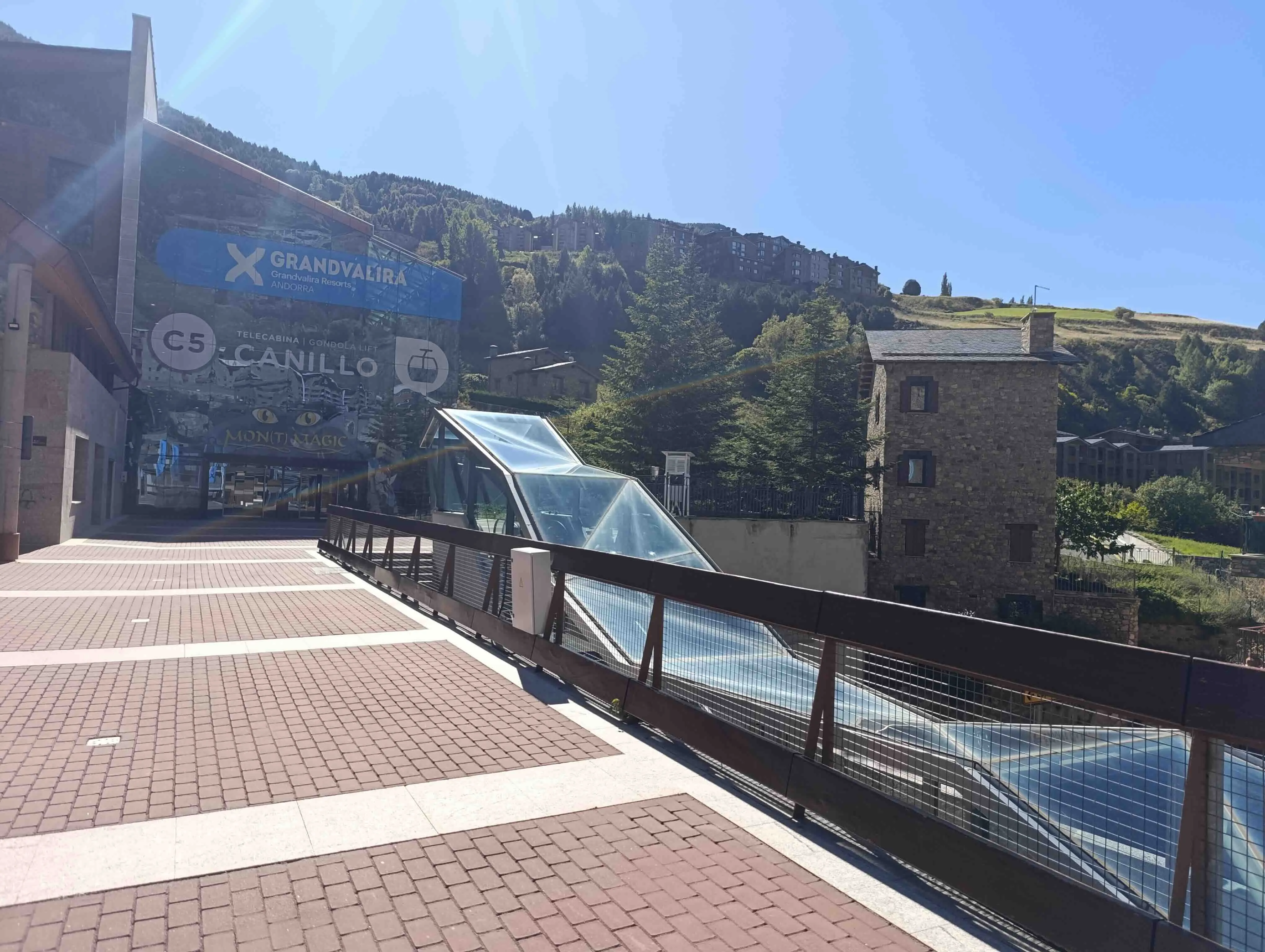
The bus stop is located on the main road, at the entrance to Canillo heading North, right next to the gas station, and it is the only permitted vehicle access point: it is strictly forbidden to drive a private car up the access road to the bridge, so forget about driving all the way to the entrance.
There are two ways to get to the Canillo stop:
- By private car or public transport to Canillo. You can leave your vehicle in one of the communal car parks in the area (some paid) and take the official bus from there.
- On foot from the village itself, for those who prefer to do it as a hike: it's about 3.8 km and a 45-minute walk to the bridge area, with a good elevation gain to stretch your legs before crossing.
Once the bus drops you off at the Montaup car park, there is still a stretch of 900 meters on foot to the start of the bridge, with views over the central valley of the parish of Canillo and the mountains where the Grandvalira slopes are located. It is a well-maintained dirt path, with some occasional stairs and ramps, but pay attention: there are unmarked ravine areas in some sections, so it's advisable to wear appropriate mountain footwear and not get distracted by your phone or photos while walking.
If you are coming from other areas of Andorra and want to organize your trip well, in the section on plan your trip you have all the information on how to get around the country during your stay.
What you will find along the way
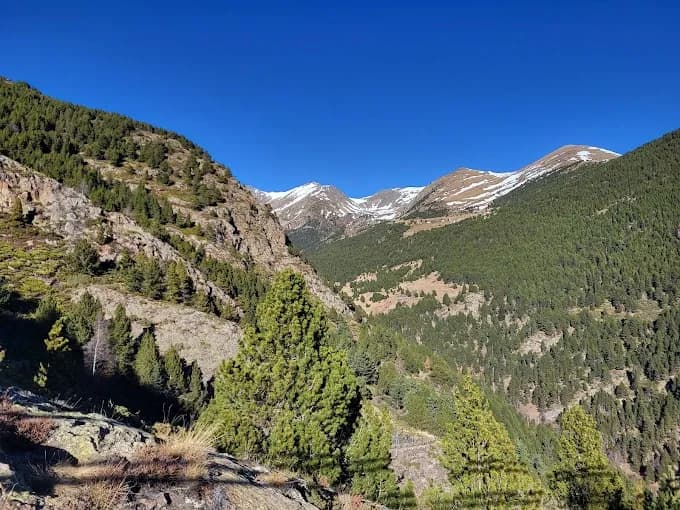
The walk from the car park to the bridge is already worth it on its own: forest, living rock, and the first views of the valley. Upon reaching the start of the Tibetan Bridge, staff will indicate your turn to cross (access is controlled, not everyone at once, for safety and to prevent overcrowding).
Crossing the 603 meters is not a race: it's best to go slowly, stop at the central point —where the sensation of height is greatest— and enjoy the views over the forest and the Vall del Riu river. The floor is made of metal grating for much of the route, so you will see the void beneath your feet at all times; the structure is anchored with high-resistance cables that minimize lateral sway, although you will notice some natural movement when walking, which is part of the bridge's charm.
On the other side, the path continues for a few more minutes to a second panoramic viewpoint, and from there you return along the same route to the bus stop.
Roc del Quer Viewpoint: the combined visit
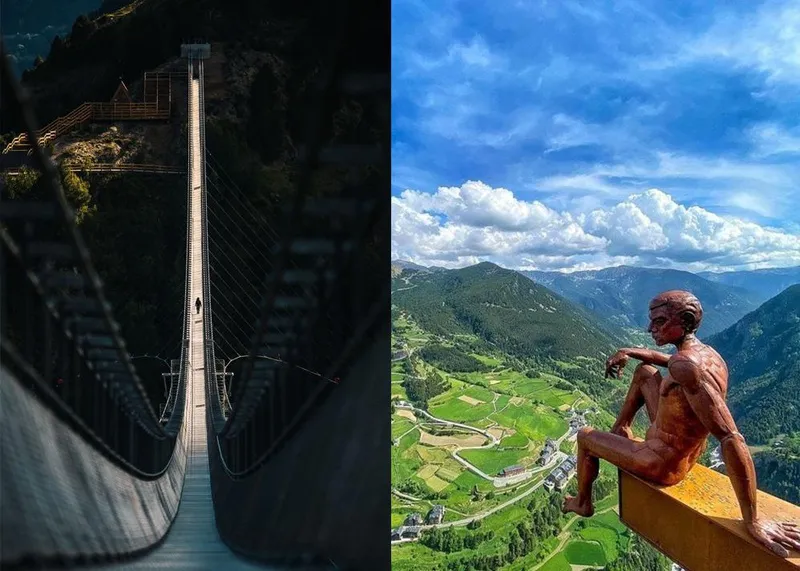
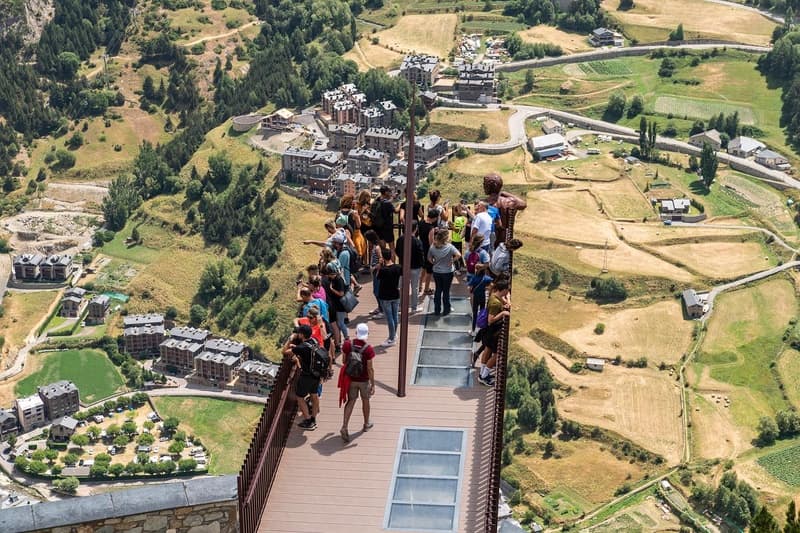
Very close to the Tibetan Bridge is one of Andorra's most iconic viewpoints: the Roc del Quer, a 20-meter metal walkway —12 of which are suspended 500 meters in the air, with sections of transparent glass floor—. At the end is the sculpture of a thinker sitting on a beam, a work by artist Miguel Ángel González, one of the most shared images on social media throughout the country.
If you have time, many visitors combine a visit to the bridge with a stop at Roc del Quer on the same day, either as an added experience in the booking or by accessing it by road with their own vehicle. This is the option we recommend if you are coming from outside and will only be in the area for one day: you complete the experience with one of the best panoramic views of the Vall del Riu.
Night visit: a different experience
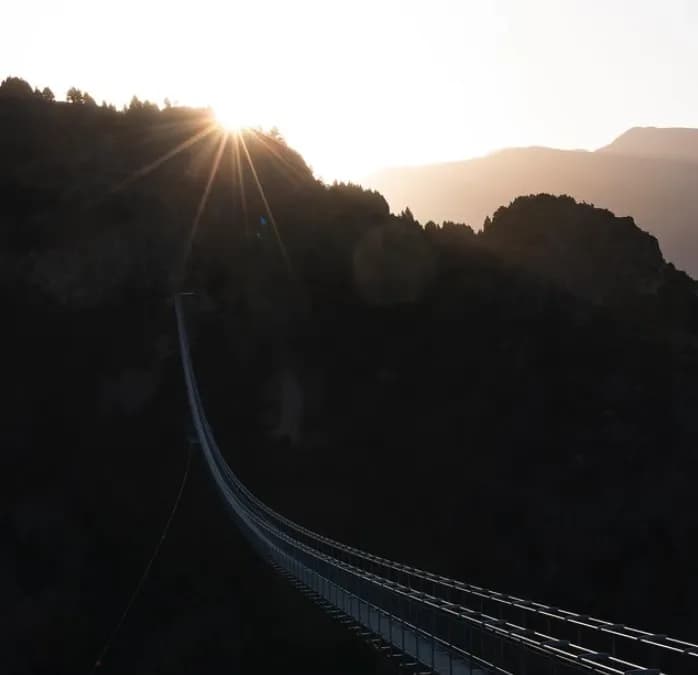
Between July and August, on certain days of the week, a night visit to the Tibetan Bridge is organized, with the crossing of the bridge at night —a completely different sensation from daytime, with the valley silent and the starry sky over the mountain— followed by a gastronomic stop in the area, which includes grilled butifarra and a drink at Bar de l'Armiana. Places are limited and booking is specific for this modality, so if you fancy experiencing it under the stars, check dates and conditions when booking.
Practical tips before you go
- Book in advance during high season. In July and August, time slots sell out, especially on weekends and in the morning.
- Wear appropriate mountain clothing and footwear. It's not a simple urban walk: it's almost two kilometers round trip on foot, including the section from the parking lot, with unmarked ravine sections where you need to be careful.
- Keep the ticket you receive by email safe. It is mandatory to board the bus and is not sold at the bridge itself, nor is there Wi-Fi coverage up there, so download or print it before leaving home or the hotel.
- Access is not adapted for baby strollers, wheelchairs, or animals, neither on the bus nor on the bridge.
- Check the bridge's status if you travel in low season (March-April or October-November): strong wind or snow may force its temporary closure.
- Combine your visit with Roc del Quer if you have a full day; check when booking if you can add it to your ticket to make the most of the trip.
- If you have vertigo but want to try it, go on a less crowded weekday: you'll cross more calmly and be able to stop without feeling pressured by the queue.
Rappelling and Jumping: extra adrenaline from the bridge
If crossing the Tibetan Bridge isn't enough for you, we also offer two adventure experiences that start from the same structure, designed for those seeking an extra dose of adrenaline in the Vall del Riu:
- Rappelling from the Canillo Tibetan Bridge: rappelling descent from the bridge itself, with technical equipment and supervision from specialized guides.
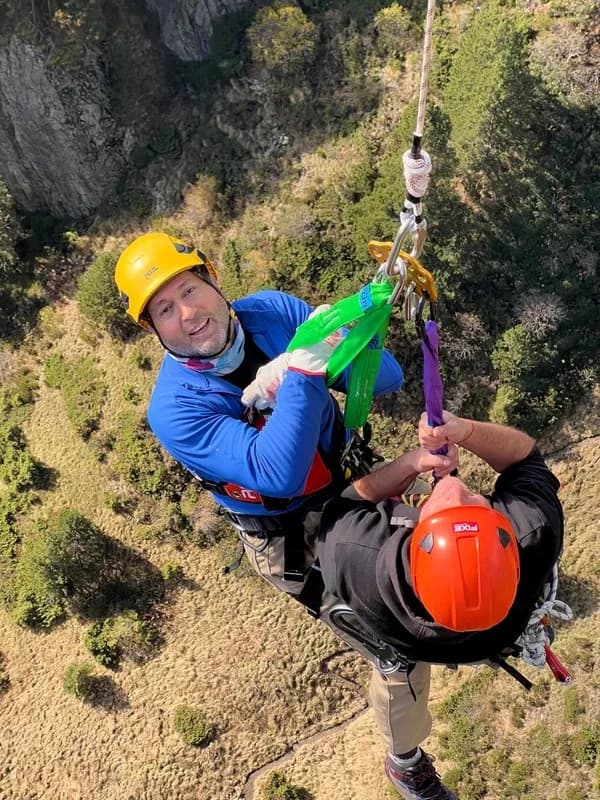
- Canillo Tibetan Bridge Jumping: a leap into the void from the structure, presented as one of Europe's highest jumps, for those who want to experience the Vall del Riu from a completely different perspective.
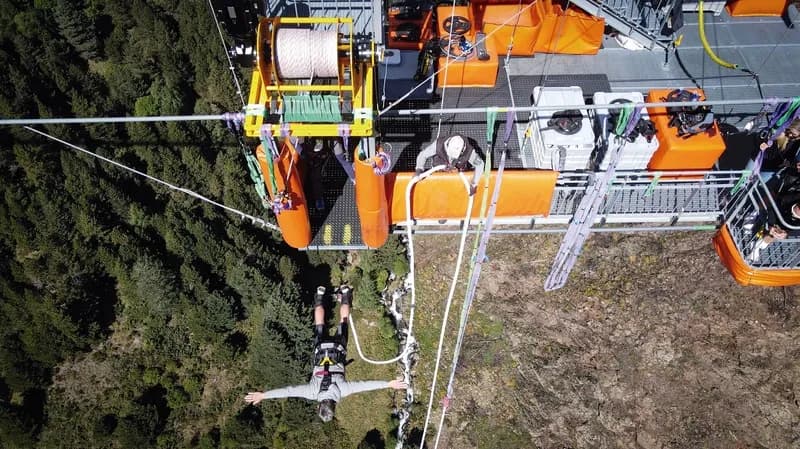
Both activities are booked as independent experiences from the bridge entrance, with their own access conditions, requirements, and time availability, so we recommend checking all details and updated prices directly on each activity's page before booking.
Where to stay and what else to do in Canillo
Canillo is much more than just the bridge: the parish is home to the Palau de Gel, the Church of Sant Joan de Caselles, hiking trails through Coma de Ransol and Engolasters, and is a gateway to Grandvalira during the snow season. If you want to extend your stay and calmly discover the rest of the parish, in the Canillo destinations section you'll find all the information to plan your visit.
To stay nearby, without relying on a car to get to the bus stop, you can check the hotels and accommodations available in Canillo, and if you're looking to complete your trip with more adventure, nature, or cultural plans, the what to do in Andorra section gathers the rest of the country's activities by areas and interests.
Frequently asked questions
You may be interested in